
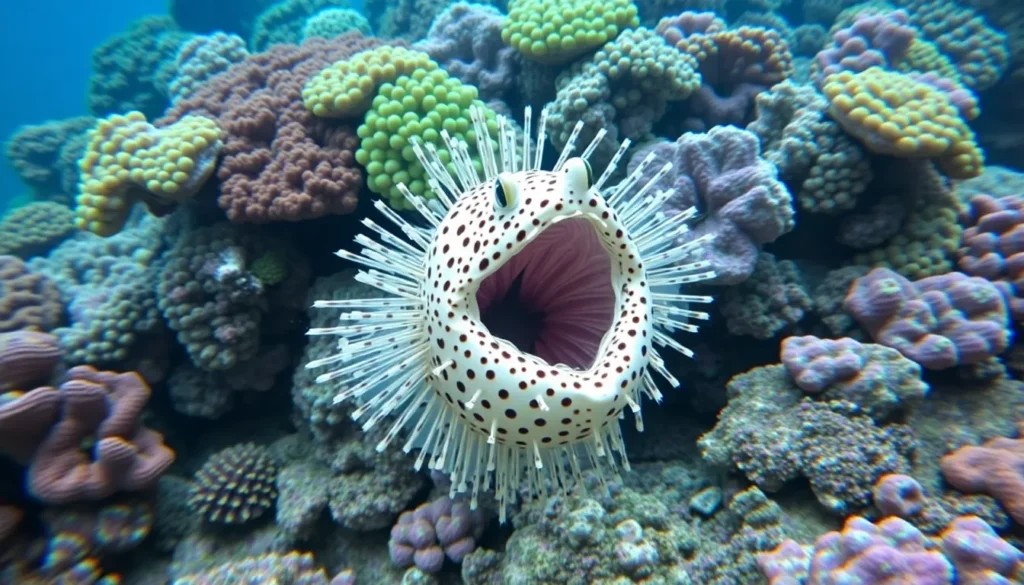
Short Answer
21 Facts About Pufferfish
- Tetrodotoxin is highly toxic. Tetrodotoxin is a potent neurotoxin found in pufferfish, capable of causing paralysis and even death in humans if ingested.
- It affects the nervous system. The toxin blocks sodium channels in nerve cells, inhibiting nerve signal transmission, leading to muscle paralysis.
- Not all pufferfish are toxic. While many species contain tetrodotoxin, others do not. The toxicity often varies by species and environmental factors.
- Tetrodotoxin is produced by symbiotic bacteria. Research suggests that it is not produced by pufferfish themselves but rather by bacteria that reside in their tissues.
- Fugu is a delicacy in Japan. Certain pufferfish are considered a delicacy (fugu) in Japan, prepared by licensed chefs who know how to safely remove toxic parts.
- Symptoms of poisoning are severe. Symptoms of tetrodotoxin poisoning include numbness, dizziness, and respiratory failure, which can occur within hours of ingestion.
- There is no known antidote. Treatment for tetrodotoxin poisoning is mainly supportive; there is no specific antidote available.
- Pufferfish can inflate their bodies. Pufferfish have a unique ability to inflate as a defense mechanism, making them less appealing to predators.
- They have a varied diet. Pufferfish primarily consume invertebrates such as mollusks and crustaceans, which can contribute to their toxicity.
- Some cultures use tetrodotoxin for fishing. In some regions, fishermen have used tetrodotoxin to stun fish for easier capture, although this practice is dangerous.
- Pufferfish have a unique reproductive strategy. Many species engage in elaborate courtship displays and nest-building behaviors during mating.
- They exhibit diverse coloration. Different species of pufferfish display a wide range of colors and patterns, which can serve as a warning to predators.
- Tetrodotoxin is being studied for medical applications. Researchers are investigating the potential of tetrodotoxin in treating certain medical conditions, including chronic pain.
- Pufferfish are found in various marine environments. They inhabit warm and temperate seas, often residing in coral reefs and coastal waters.
- Some pufferfish species are endangered. Overfishing and habitat loss have led to a decline in some pufferfish populations, prompting conservation efforts.
- Pufferfish have a unique jaw structure. Their beak-like teeth are adapted for cracking open hard-shelled prey, allowing them to access various food sources.
- Pufferfish can live for several years. Depending on the species, pufferfish can live anywhere from 5 to 10 years in the wild.
- They are social creatures. Many pufferfish species exhibit social behaviors, often seen in small groups or pairs.
- Pufferfish exhibit parental care. Some species demonstrate parental investment by guarding their eggs until they hatch.
- Pufferfish have a low metabolic rate. This allows them to survive in environments with limited food availability.
- Tetrodotoxin has been used in research. The toxin is often used in neurobiological research to study nerve function and signaling.
Habitat and Behavior
Pufferfish are typically found in tropical and subtropical waters, inhabiting coral reefs, mangroves, and coastal areas. They are generally solitary or found in small groups. Pufferfish are known for their unique behavior of inflating themselves to deter predators. Their diet is comprised mainly of invertebrates, which they can access using their specialized beak-like teeth. The inflation mechanism, combined with their toxicity, makes them less appealing to potential threats in their environment.
Why This Animal Matters
Pufferfish play a significant role in marine ecosystems, contributing to the health of coral reefs by controlling invertebrate populations. Their unique toxicity has cultural significance in various regions, especially in Japan, where fugu is a traditional dish. Conservation of pufferfish species is important, as several are threatened due to habitat loss and overfishing, highlighting the need for sustainable practices to protect marine biodiversity.
Common Misconceptions
Misconception: All pufferfish are equally toxic.
Correction: Toxicity varies significantly among pufferfish species, with some being harmless.
Misconception: Tetrodotoxin is only dangerous when ingested.
Correction: Tetrodotoxin can also be absorbed through the skin, making handling pufferfish risky.
FAQ
What is tetrodotoxin?
Tetrodotoxin is a potent neurotoxin produced by certain pufferfish and is responsible for their toxicity.
How is fugu prepared safely?
Fugu must be prepared by licensed chefs trained to remove toxic parts to prevent poisoning.
Are all pufferfish toxic?
No, not all pufferfish species are toxic; toxicity varies widely among them.




Leave a Reply