
Short Answer
21 Facts About Weevils
- Weevils belong to the beetle family Curculionidae. This is one of the largest animal families, with over 60,000 described species worldwide.
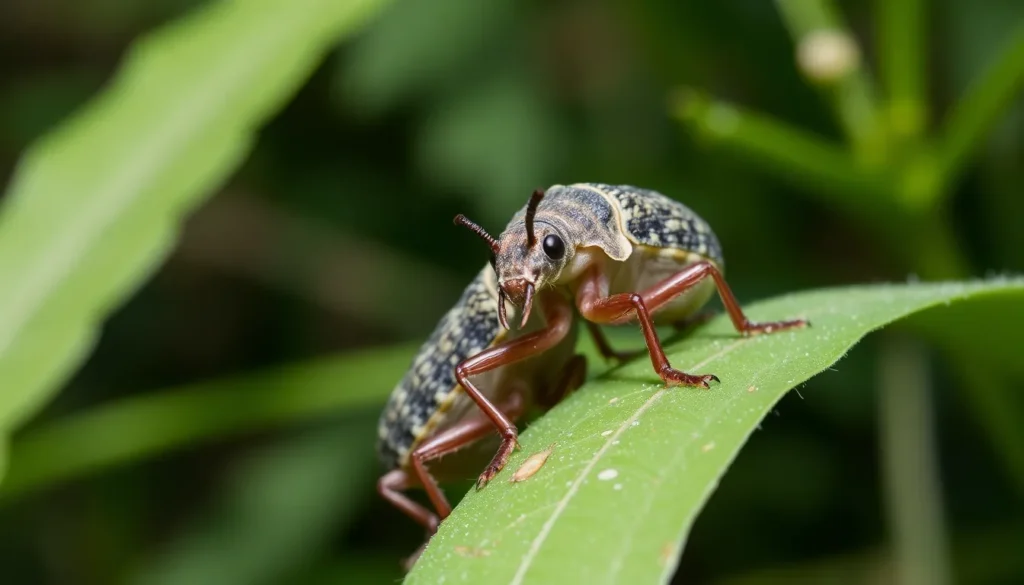
- They are characterized by their elongated snouts. This distinctive rostrum is used for feeding and boring into plants.
- Weevils vary greatly in size. Most species range from 1 to 10 millimeters in length, though some can be larger.
- Many weevils are specialized plant feeders. They often feed on seeds, fruits, roots, or stems of particular host plants.
- Some weevil species are considered serious agricultural pests. Examples include the boll weevil and the rice weevil, which damage cotton and stored grains respectively.
- Weevils undergo complete metamorphosis. Their life cycle includes egg, larva, pupa, and adult stages.
- Female weevils often use their snouts to bore holes in plants. They deposit eggs inside plant tissue, providing food for emerging larvae.
- Weevils have diverse habitats. They are found in forests, grasslands, agricultural fields, and even stored food products.
- Some weevils have developed chemical defenses. They can secrete substances that deter predators.
- Weevils have a global distribution. They inhabit every continent except Antarctica.
- The boll weevil significantly impacted the cotton industry. Its infestation in the southern United States caused major economic and social changes.
- Weevils play a role in seed dispersal and plant population control. By feeding on seeds, they influence plant reproduction and community dynamics.
- Some weevil species exhibit remarkable camouflage. Their coloration and body shape help them blend into their environment.
- Weevils can be used as biological control agents. Certain species have been introduced to control invasive plants.
- Adult weevils typically have clubbed antennae. These are often elbowed and protrude from the snout.
- There are aquatic weevils. Some species live in or around water and feed on aquatic plants.
- Weevils have been studied extensively for pest management. Understanding their life cycle aids in developing control strategies.
- Weevil fossils date back millions of years. This indicates a long evolutionary history.
- Some tropical regions have the highest diversity of weevil species. Rainforests provide numerous niches for different weevils.
- Weevils can cause significant post-harvest losses. Stored grain weevils infest food supplies, leading to economic damage.
- Despite their pest status, weevils contribute to ecosystem health. They are integral in nutrient cycling and food webs.
Habitat and Behavior
Weevils inhabit a wide range of environments from forests and grasslands to agricultural fields and stored food products. Their behavior largely revolves around their feeding habits and reproduction. Many species specialize in particular plants, using their elongated snouts to bore into plant tissues where females lay eggs. Larvae develop inside these plant parts, feeding until pupation. Some weevils are active during the day, while others are nocturnal. Their ability to camouflage and sometimes secrete defensive chemicals helps protect them from predators. Aquatic weevils occupy wet habitats, feeding on submerged plants. Overall, their survival is closely linked to their host plants and environmental conditions.
Why This Animal Matters
Weevils hold significant ecological and economic importance. Ecologically, they influence plant population dynamics by feeding on seeds and other plant parts, thus affecting plant reproduction and diversity. They participate in nutrient cycling and serve as prey for various predators, contributing to ecosystem balance. Economically, some species are notorious pests that cause damage to crops such as cotton, grains, and rice, leading to substantial agricultural losses worldwide. Conversely, some weevils have been employed as biological control agents against invasive plant species, demonstrating their potential in sustainable pest management. Understanding weevils is essential for managing their impact on agriculture and conserving biodiversity.
Common Misconceptions
Misconception: All weevils are harmful pests.
Correction: While many weevil species damage crops or stored products, numerous species do not affect humans negatively and play beneficial roles in ecosystems.
Misconception: Weevils are insects that only live in stored grains.
Correction: Although some species infest stored grains, weevils occupy diverse habitats including forests, grasslands, and aquatic environments, feeding on a variety of plants.
FAQ
What are the main characteristics of weevils?
Weevils are beetles characterized by their elongated snouts called rostrums, which they use to bore into plants. They belong to the family Curculionidae and have diverse feeding habits, primarily on plants.
Are all weevils harmful to crops?
Not all weevils are harmful. While some species are serious agricultural pests, many others do not impact crops and play important ecological roles such as seed dispersal and plant population control.
Where can weevils be found?
Weevils have a global distribution and can be found in various habitats including forests, grasslands, agricultural fields, aquatic environments, and stored food products.

Leave a Reply