
Short Answer
21 Facts About Japan
- Japan is an archipelago of over 6,800 islands. The four main islands are Honshu, Hokkaido, Kyushu, and Shikoku, with Honshu being the largest and most populous.
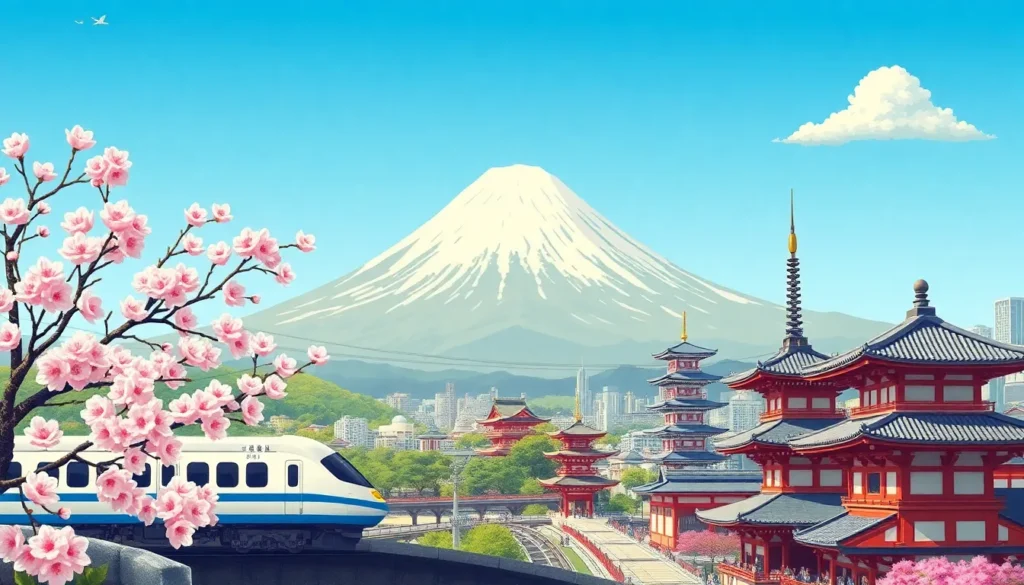
- Mount Fuji is Japan’s highest peak. It is an active stratovolcano and a cultural symbol often depicted in art and literature.
- Japan has one of the world’s longest life expectancies. This is attributed to diet, healthcare, and social factors.
- The Shinkansen, or bullet train, started operating in 1964. It revolutionized rail travel with speeds exceeding 300 km/h (186 mph).
- Japan has over 200 UNESCO World Heritage Sites. These include historic temples, castles, and natural locations.
- The Japanese language uses three writing systems. These are kanji (characters derived from Chinese), hiragana, and katakana.
- Traditional tea ceremonies are an important cultural practice. These ceremonies emphasize aesthetics, etiquette, and the art of tea preparation.
- Japan experiences frequent earthquakes due to its location on the Pacific Ring of Fire. The country has developed advanced earthquake-resistant architecture.
- Cherry blossom (sakura) season is celebrated nationwide in spring. Hanami, or flower viewing parties, are a popular tradition.
- Sumo wrestling is Japan’s national sport. It has religious origins and is governed by strict rituals and rules.
- Japan was the first Asian country to host the Olympic Games. Tokyo hosted the Summer Olympics in 1964 and again in 2021.
- Japanese cuisine is recognized by UNESCO as an intangible cultural heritage. It emphasizes fresh, seasonal ingredients and presentation.
- The country has a highly developed public transportation system. This includes trains, buses, ferries, and extensive urban metro networks.
- Japan has a constitutional monarchy. The Emperor is a ceremonial figurehead, with political power residing in elected officials.
- Anime and manga are significant elements of contemporary Japanese culture. They have large global audiences and influence.
- Japanese gardens are designed to reflect natural landscapes. They often include elements such as rocks, water, and carefully pruned plants.
- Japan’s population is aging rapidly. This demographic shift presents social and economic challenges.
- Shinto and Buddhism are the two main religions in Japan. Many festivals and rituals combine elements from both traditions.
- Japan has a distinct fashion culture blending traditional and modern elements. This includes kimono as well as street fashion styles like Harajuku.
- Japan is one of the world’s largest producers of electronics and automobiles. Major companies such as Toyota, Sony, and Panasonic are internationally recognized.
- Japanese calligraphy, or shodo, is a respected art form. It involves brush techniques to create expressive characters on paper.
Culture and Daily Life
Japanese culture is deeply rooted in traditions that coexist with modern influences. The Japanese language, with its unique writing systems—kanji, hiragana, and katakana—plays an integral role in communication and cultural expression. Daily life often revolves around respect, harmony, and community values. Traditional practices such as tea ceremonies, flower arranging (ikebana), and seasonal festivals are observed alongside contemporary entertainment like anime, manga, and J-pop music. Japanese cuisine, characterized by dishes such as sushi, ramen, and tempura, emphasizes freshness, seasonality, and balanced presentation. Social customs include bowing as a greeting, removing shoes before entering homes, and meticulous etiquette in various settings.
History and Geography
Japan’s history spans thousands of years, from early Jomon and Yayoi cultures to the establishment of the samurai class and feudal shogunates. The Meiji Restoration in the 19th century marked Japan’s rapid modernization and emergence as a global power. Geographically, Japan is located in East Asia, bordered by the Pacific Ocean, Sea of Japan, and East China Sea. Its mountainous terrain and volcanic activity have shaped settlement patterns and cultural development. The country’s islands experience diverse climates, from snowy winters in Hokkaido to subtropical conditions in Okinawa.
Travel and Landmarks
Japan offers a wide range of travel destinations appealing to diverse interests. Tokyo, the capital, is known for its skyscrapers, shopping districts, and cultural sites. Kyoto preserves many historic temples, shrines, and traditional architecture. Natural wonders include Mount Fuji, the Japanese Alps, and hot springs (onsen) scattered throughout the country. Iconic landmarks such as Hiroshima’s Peace Memorial Park and Nara’s Todai-ji Temple attract visitors interested in history and spirituality. Seasonal events like cherry blossom viewing and autumn leaf festivals enhance the travel experience.
Common Misconceptions
Misconception: Japan is always technologically futuristic and lacks traditional culture.
Correction: While Japan is known for its advanced technology, it maintains rich traditions such as tea ceremonies, festivals, and historic architecture that remain central to its identity.
Misconception: All Japanese people eat sushi regularly.
Correction: Sushi is an important part of Japanese cuisine but is not a daily staple for most people. The diet varies widely across regions and seasons.
Misconception: Japan is a homogeneous society with little cultural diversity.
Correction: Japan has minority ethnic groups such as the Ainu and Ryukyuan peoples, and increasing numbers of foreign residents contribute to cultural diversity.
FAQ
What are the main islands of Japan?
Japan's four main islands are Honshu, Hokkaido, Kyushu, and Shikoku, which make up the majority of the country's landmass and population.
Why is Mount Fuji significant?
Mount Fuji is Japan's tallest mountain and an active volcano. It is a cultural and spiritual symbol often featured in art and pilgrimage.
What is unique about Japanese cuisine?
Japanese cuisine emphasizes seasonal ingredients, presentation, and balance, including dishes like sushi, tempura, and ramen, recognized internationally for their taste and aesthetics.




Leave a Reply