
Short Answer
21 Facts About Tomato Frogs
- Scientific Classification: Tomato frogs belong to the genus Dyscophus, with the most well-known species being Dyscophus antongilii and Dyscophus guineti.
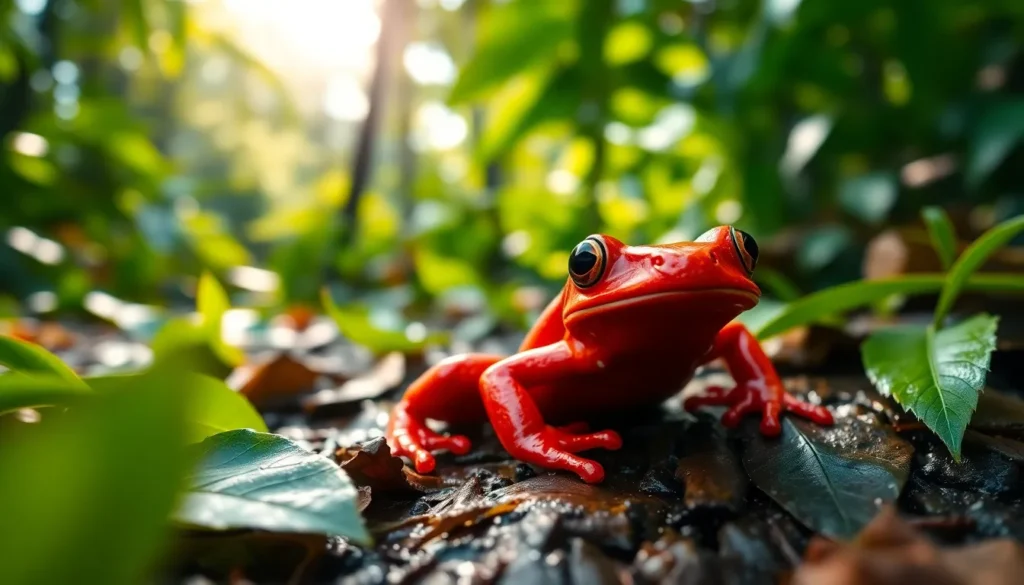
- Distinctive Coloration: They are named for their bright red or orange coloration, resembling a ripe tomato, which serves as a warning to predators.
- Size: Tomato frogs typically measure between 7 to 10 centimeters (2.8 to 3.9 inches) in length.
- Native Range: These frogs are endemic to Madagascar, primarily inhabiting the northeastern rainforests.
- Nocturnal Activity: Tomato frogs are mostly active at night, spending the day hidden under leaf litter or soil.
- Diet: Their diet consists mainly of insects and other small invertebrates.
- Unique Defense Mechanism: When threatened, tomato frogs secrete a sticky, toxic substance from their skin that can deter predators and cause irritation.
- Camouflage: Despite their bright color, the frogs’ coloration helps them blend in with fallen leaves and reddish soil in their habitat.
- Breeding Behavior: Breeding occurs during the rainy season, with females laying hundreds of eggs in temporary pools.
- Tadpole Development: Tadpoles develop in water and undergo metamorphosis to become terrestrial adults.
- Conservation Status: Some tomato frog species are considered vulnerable due to habitat loss and collection for the pet trade.
- Skin Texture: Tomato frogs have a smooth, moist skin which helps in cutaneous respiration.
- Locomotion: They are primarily ground-dwelling and move by hopping rather than climbing.
- Role in Ecosystem: As insectivores, tomato frogs help control insect populations, contributing to ecological balance.
- Popularity in Pet Trade: Due to their bright colors and relatively easy care, tomato frogs are sometimes kept as exotic pets.
- Temperature Sensitivity: These frogs prefer warm, humid environments and are sensitive to changes in temperature and moisture.
- Longevity: In captivity, tomato frogs can live up to 5 to 7 years with proper care.
- Communication: Male tomato frogs produce calls during breeding to attract females.
- Predators: Natural predators include snakes, birds, and larger amphibians, but their skin secretions provide some protection.
- Scientific Research: Studies on tomato frogs contribute to understanding amphibian toxicology and conservation biology.
- Distinct Species Differences: Different species of tomato frogs vary slightly in color intensity and habitat preferences.
Habitat and Behavior
Tomato frogs are native to the moist, tropical rainforests of northeastern Madagascar. They favor areas with abundant leaf litter, soft soil, and access to temporary water bodies for breeding. These amphibians are mostly terrestrial and nocturnal, hiding during the day to avoid desiccation and predation. Their bright coloration serves both as camouflage among the reddish forest floor and as a warning signal to potential predators. The frogs rely on their sticky skin secretions as a primary defense mechanism, which can cause irritation and deter attacks. During the rainy season, tomato frogs become more active, engaging in breeding behaviors that include males calling to attract females and laying eggs in ephemeral pools. Tadpoles develop in these aquatic environments before transitioning to a terrestrial lifestyle.
Why This Animal Matters
Tomato frogs play an important ecological role by controlling insect populations, thus contributing to the balance of their rainforest ecosystems. Their toxic skin secretions have attracted scientific interest for potential applications in pharmacology and toxicology. Culturally, these frogs are a part of Madagascar’s rich biodiversity and natural heritage. Conservation of tomato frogs is important due to their vulnerability to habitat destruction and illegal collection for the pet trade. Protecting their populations helps maintain the health of Madagascar’s unique rainforest ecosystems and supports biodiversity conservation efforts on the island.
Common Misconceptions
Misconception: Tomato frogs are poisonous and deadly to humans.
Correction: While their skin secretions can cause irritation and allergic reactions, tomato frogs are not deadly to humans and generally do not pose a serious threat if handled carefully.
Misconception: All tomato frogs are bright red.
Correction: Although many tomato frogs have vivid red or orange coloration, some species or individuals may have variations in hue and pattern, influenced by age, environment, and species differences.
Misconception: Tomato frogs are good climbers and arboreal.
Correction: Tomato frogs are primarily terrestrial and ground-dwelling; they do not typically climb trees or vegetation.
FAQ
Are tomato frogs poisonous to humans?
Tomato frogs secrete a sticky, toxic substance that can cause skin irritation or allergic reactions in humans but are not deadly. It is advisable to handle them with care or avoid direct contact.
What do tomato frogs eat in the wild?
Tomato frogs primarily feed on insects and other small invertebrates found on the forest floor, playing a role in controlling pest populations.
Why are tomato frogs bright red?
Their bright red coloration serves as a warning signal to potential predators about their toxic skin secretions, a defense mechanism known as aposematism.

Leave a Reply