
Short Answer
21 Facts About Angelfish (Freshwater)
- Scientific Classification
The freshwater angelfish belongs to the genus Pterophyllum in the family Cichlidae. - Native Range
They are native to the Amazon Basin and other river systems in South America. - Distinctive Shape
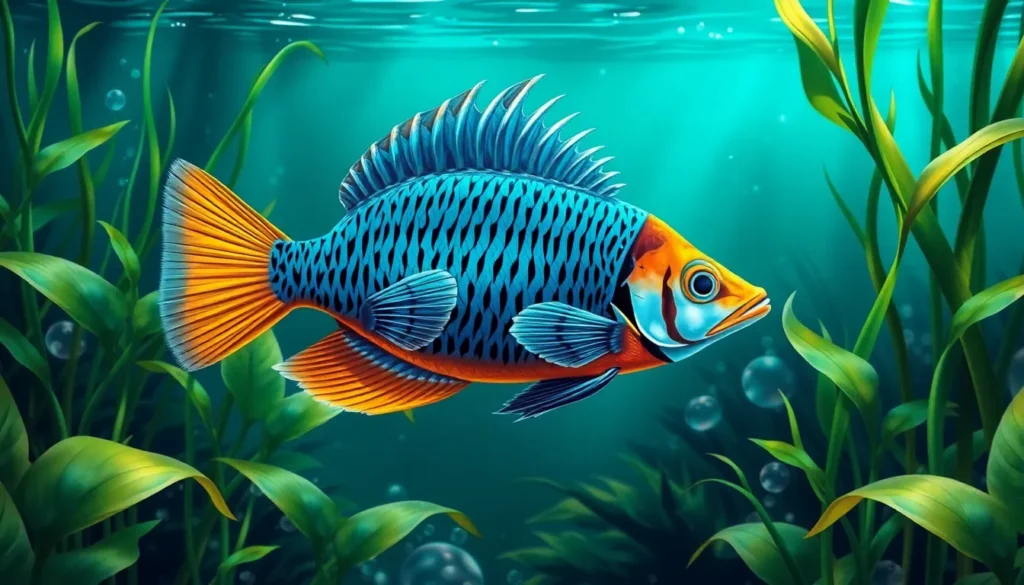
Angelfish have a laterally compressed body with elongated dorsal and anal fins, giving them a triangular shape. - Size
In captivity, angelfish typically grow between 6 to 8 inches in length, with some individuals reaching up to 10 inches. - Color Variations
Wild angelfish are generally silver with black stripes, but selective breeding has produced many color morphs. - Diet
They are omnivorous, feeding on small invertebrates, plant matter, and detritus in the wild. - Behavioral Traits
Angelfish are known for their territorial and sometimes aggressive behavior, especially during breeding. - Breeding Habits
They are egg-layers and exhibit parental care, with both parents guarding and fanning the eggs. - Water Parameters
They thrive in soft, slightly acidic water with temperatures between 76 and 82°F (24 to 28°C). - Habitat Preference
Angelfish prefer slow-moving waters with dense vegetation, which provides cover and breeding sites. - Longevity
In captivity, angelfish can live up to 10 years with proper care. - Social Structure
They often form pairs or small groups but may become aggressive towards conspecifics outside breeding periods. - Swimming Style
Their body shape allows for precise, slow movements, which is useful for navigating densely planted waters. - Adaptations
Their laterally compressed bodies help them maneuver through narrow spaces in aquatic vegetation. - Role in Aquariums
They are popular aquarium fish due to their elegant appearance and interesting behaviors. - Water Quality Sensitivity
Angelfish require stable water conditions and are sensitive to sudden changes in pH or temperature. - Predators
In the wild, larger fish and birds prey on angelfish, especially juveniles. - Conservation Status
Currently, freshwater angelfish are not considered endangered, but habitat destruction could pose future risks. - Interaction with Other Species
They may coexist with other peaceful fish but can show aggression toward smaller or similarly shaped species. - Communication
Angelfish use body language, such as fin displays and posturing, to communicate territorial claims or mating readiness. - Research Importance
They serve as model organisms in studies of fish behavior, ecology, and evolution within cichlids.
Habitat and Behavior
Freshwater angelfish inhabit slow-moving rivers, floodplains, and swamps in tropical South America, particularly within the Amazon Basin. These environments provide abundant vegetation and submerged roots, which are essential for shelter and breeding. Angelfish are adapted to soft, acidic waters with low mineral content. Their behavior includes territoriality and complex mating rituals, where pairs establish and defend nesting sites. They are omnivores, feeding on small invertebrates, plant material, and organic detritus. Angelfish display parental care, with both male and female guarding eggs and fry. Their graceful swimming and body shape allow them to navigate dense plant habitats efficiently.
Why This Animal Matters
Freshwater angelfish play an important role in their native ecosystems as both predators and prey, helping to maintain balanced aquatic food webs. Their feeding helps control populations of smaller invertebrates, while they themselves provide food for larger fish and bird species. Ecologically, they contribute to nutrient cycling within freshwater habitats. Culturally, angelfish are popular in the aquarium trade worldwide, which has helped raise awareness about tropical freshwater biodiversity. From a conservation perspective, maintaining healthy populations of angelfish supports the overall integrity of Amazonian aquatic ecosystems, many of which face threats from deforestation and water pollution.
Common Misconceptions
Misconception: Freshwater angelfish are aggressive toward all other fish.
Correction: While angelfish can be territorial and show aggression during breeding, they often coexist peacefully with compatible species in well-maintained aquariums.

Misconception: Angelfish require saltwater conditions.
Correction: Freshwater angelfish thrive in freshwater environments and do not require saltwater or brackish conditions.
Misconception: All angelfish have the same coloration.
Correction: While wild angelfish typically have silver and black patterns, selective breeding has produced numerous color variations and morphs.
Misconception: Angelfish do not care for their young.
Correction: Both male and female angelfish exhibit parental care, protecting and fanning their eggs and fry until they are more independent.
FAQ
What is the natural habitat of freshwater angelfish?
Freshwater angelfish are native to slow-moving rivers, floodplains, and swamps in the Amazon Basin and other parts of tropical South America, where water is soft, warm, and acidic.
How do freshwater angelfish care for their young?
Both male and female angelfish guard and fan their eggs to keep them oxygenated and remove debris. They continue to protect the fry after hatching until they can swim independently.
Are freshwater angelfish aggressive?
Angelfish can be territorial and display aggression, especially during breeding periods, but they often coexist peacefully with compatible species in community aquariums.




Leave a Reply