
Short Answer
21 Facts About Chimaera
- Ancient Lineage: Chimaeras are often referred to as ‘living fossils’ because they have existed for over 400 million years, making them one of the oldest fish lineages still alive today.
- Unique Classification: Chimaeras belong to the class Chondrichthyes, which includes sharks and rays, but they are distinct enough to be placed in their own subclass called Holocephali.
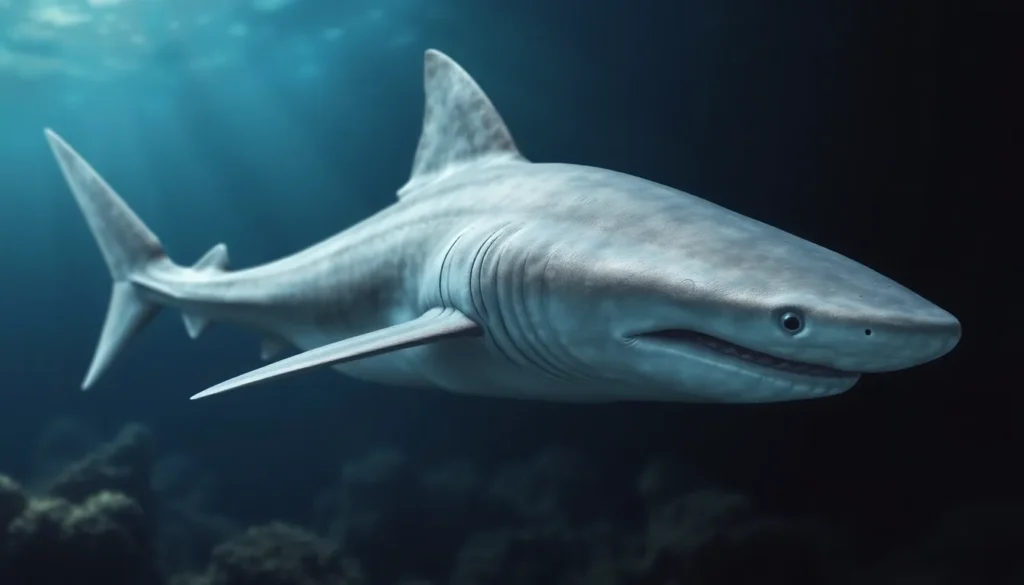
- Ghostly Appearance: They are commonly known as ghost sharks due to their pale coloration and the eerie, ghost-like look they possess.
- Habitat Depths: Chimaeras primarily inhabit deep-sea environments, typically found at depths ranging from 200 to 2,600 meters (656 to 8,530 feet).
- Diet: Chimaeras are carnivorous, feeding on a diet that includes crustaceans, mollusks, and small fish.
- Unique Reproductive Methods: They are oviparous, laying eggs that are often encased in protective capsules, which are sometimes referred to as ‘mermaid’s purses.’
- Electrolocation: Chimaeras possess electroreceptors in their snouts that allow them to detect the electric fields produced by their prey, aiding in their predatory behavior.
- Skin Texture: Their skin is covered in tiny, tooth-like structures called dermal denticles, which reduce drag and help them swim efficiently.
- Long Lifespan: Some species of chimaera may live for several decades, with estimates suggesting lifespans of up to 70 years.
- Social Structure: While often solitary, chimaeras may occasionally be found in small groups during feeding or mating.
- Distinctive Head Shape: They have a flattened, broad head with large eyes, adaptations that aid their hunting in dark ocean depths.
- Adaptations to Pressure: Chimaeras have flexible bodies that allow them to withstand the high pressures of their deep-sea environments.
- Coloration: Their skin varies in color, typically displaying shades of blue, green, or gray, which helps with camouflage in their underwater habitats.
- Limited Distribution: Chimaeras are not uniformly distributed; they are found in various oceanic regions, with some species limited to specific geographical areas.
- Conservation Status: Many chimaera species are considered vulnerable or near threatened due to habitat destruction and fishing practices.
- Unique Swim Bladder: Unlike most fish, chimaeras do not possess a swim bladder; they rely on their large livers filled with oil for buoyancy.
- Fossil Record: Fossils of chimaeras have been found dating back to the Devonian period, showcasing their long evolutionary history.
- Close Relatives: They are more closely related to ratfish and other chondrichthyans than to bony fishes, illustrating the diversity within the class.
- Bioluminescent Properties: Some species may have bioluminescent features, although research on this aspect is still ongoing.
- Cultural Significance: In some cultures, chimaeras are often shrouded in myth and legend, contributing to their mysterious image.
- Research Interest: Their unique biology has made chimaeras a subject of interest in evolutionary studies and marine biology.
Habitat and Behavior
Chimaeras are predominantly found in deep-sea habitats, often residing on the continental slopes and in deep oceanic trenches. Their preferred depths range widely, but they are commonly located at depths between 200 and 2,600 meters. Chimaeras are known for their elusive nature and are often solitary, although they may congregate in small groups during feeding or mating. They exhibit a slow swimming style, utilizing their pectoral fins to glide through the water, and their diet primarily consists of crustaceans, mollusks, and small fish, which they locate using their electrolocation abilities.
Why This Animal Matters
Chimaeras play a significant ecological role in deep-sea ecosystems as both predators and prey. They are integral to maintaining the balance within their habitats by controlling the populations of smaller marine organisms. The study of chimaeras also contributes to our understanding of evolutionary biology due to their ancient lineage. Furthermore, their unique adaptations offer insights into how marine organisms can thrive in extreme environments. Conservation efforts for chimaeras are important as many species face threats from fishing practices and habitat degradation.
Common Misconceptions
Misconception: Chimaeras are closely related to traditional sharks.

Correction: While both belong to the class Chondrichthyes, chimaeras are more closely related to ratfish and have distinct biological differences that place them in their own subclass called Holocephali.
Misconception: Chimaeras are dangerous to humans.
Correction: Chimaeras are not considered dangerous to humans; they are elusive and primarily feed on smaller marine animals, posing no threat to larger species.
FAQ
What are chimaeras?
Chimaeras, or ghost sharks, are a group of deep-sea fish known for their unique appearance and ancient lineage, belonging to the subclass Holocephali.
How do chimaeras reproduce?
Chimaeras are oviparous and lay eggs in protective capsules, which are often referred to as 'mermaid's purses'.
What is the conservation status of chimaeras?
Many chimaera species are considered vulnerable or near threatened due to habitat destruction and fishing practices.


Leave a Reply