
Short Answer
21 Facts About Anacondas
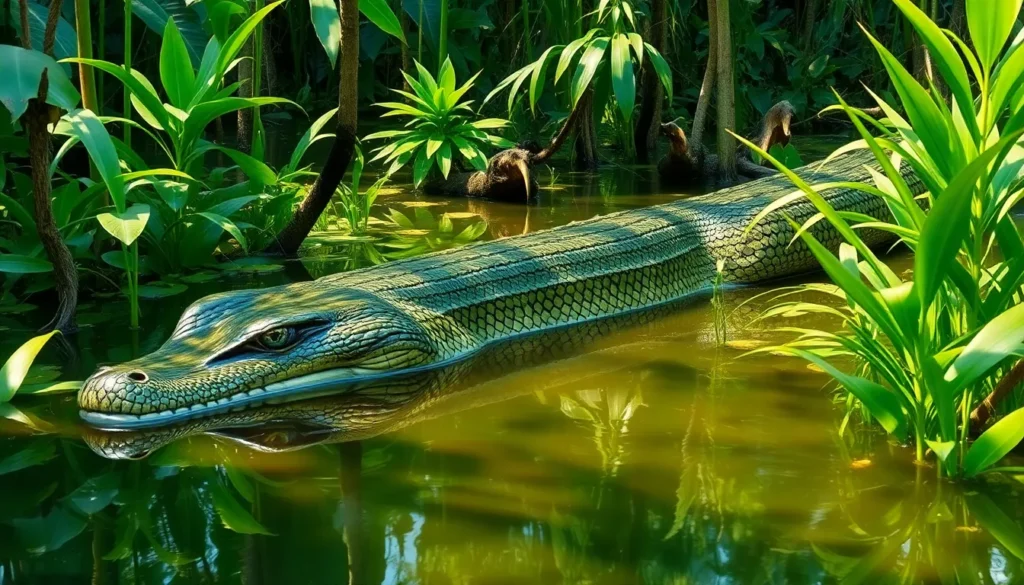
- Largest species: The green anaconda (Eunectes murinus) is considered the heaviest and one of the longest snakes in the world, capable of reaching lengths over 20 feet and weights of more than 200 kilograms.
- Other species: Besides the green anaconda, there are three other recognized species: the yellow, dark-spotted, and Bolivian anacondas, each with distinct coloration and size ranges.
- Aquatic adaptations: Anacondas are semi-aquatic snakes that spend much of their time in water, aided by their eyes and nostrils positioned on top of their heads to see and breathe while mostly submerged.
- Geographic range: They inhabit tropical South America, primarily in the Amazon and Orinoco basins, favoring swamps, marshes, and slow-moving streams.
- Constrictor method: Anacondas kill prey by constriction, coiling around the animal and tightening until it suffocates, rather than using venom.
- Diet diversity: Their diet includes fish, birds, mammals, and occasionally caimans and capybaras, reflecting their opportunistic feeding habits.
- Reproduction type: Anacondas are ovoviviparous, meaning females give birth to live young rather than laying eggs.
- Size variability: Females tend to be larger than males, which is common among many snake species.
- Swimming ability: They are excellent swimmers, capable of moving swiftly through water to hunt or evade threats.
- Longevity: In the wild, anacondas can live 10 to 12 years, with longer lifespans reported in captivity.
- Camouflage: Their color patterns help them blend into murky waters and dense vegetation, aiding in ambush predation.
- Heat sensing: Unlike pit vipers, anacondas do not possess heat-sensing pits; they rely mainly on vision and chemical cues.
- Behavior: Generally solitary except during mating season, anacondas are mostly nocturnal or crepuscular hunters.
- Conservation status: Though not currently endangered, habitat loss and hunting can impact local populations.
- Cultural presence: Anacondas feature prominently in South American folklore and mythology, often symbolizing strength and mystery.
- Misconceptions about size: Reports of extremely large anacondas exist but lack scientific confirmation; verified specimens typically measure up to 15-20 feet.
- Breathing adaptations: Their ability to stay submerged for long periods helps them ambush prey and avoid predators.
- Predators: While adult anacondas have few natural predators, caimans, jaguars, and large birds may prey on juveniles.
- Role in ecosystem: As apex predators, anacondas help regulate populations of various species, maintaining ecological balance.
- Scientific importance: Studies of anaconda biology contribute to understanding snake physiology, behavior, and evolutionary adaptations.
- Captivity and research: Anacondas are occasionally kept in zoological collections for education and research, with care requirements reflecting their aquatic and large size needs.
Habitat and Behavior
Anacondas primarily inhabit tropical rainforests of South America, especially in countries such as Brazil, Venezuela, Colombia, and Bolivia. They favor aquatic environments including swamps, marshes, slow-moving rivers, and flooded grasslands. Their semi-aquatic nature allows them to hunt both in water and on land, using stealth and ambush tactics. They are mostly solitary animals, coming together only to mate. Anacondas are primarily nocturnal or active during twilight hours, relying on their camouflage and patience to capture prey. Their strong, muscular bodies enable them to constrict and overpower animals much larger than themselves. Despite their size and strength, anacondas are relatively elusive and avoid human contact when possible.
Why This Animal Matters
Anacondas play a crucial role as apex predators in their ecosystems, helping control populations of various prey species such as rodents, birds, and reptiles. This regulation contributes to the health and stability of their habitats. Culturally, anacondas hold significant meaning in indigenous South American stories and traditions, often embodying power and mystery. From a conservation perspective, understanding anaconda ecology aids in preserving the biodiversity of wetland and rainforest environments. They also provide valuable scientific insights into reptilian physiology and adaptations to aquatic lifestyles. Protecting anacondas and their habitats aligns with broader conservation goals for tropical ecosystems, which face threats from deforestation, pollution, and climate change.
Common Misconceptions
Misconception: Anacondas are man-eaters that frequently attack humans.
Correction: While large anacondas can theoretically kill a human, attacks on people are extremely rare and not typical behavior. They generally avoid humans.

Misconception: Anacondas are the longest snakes in the world.
Correction: The reticulated python can grow longer than anacondas, but anacondas are heavier and more robust overall.
Misconception: Anacondas crush their prey bones.
Correction: Anacondas kill by constriction, cutting off blood flow and breathing, but they do not actively crush bones.
Misconception: Anacondas only live in deep jungle rivers.
Correction: They inhabit a variety of wetland habitats including swamps, marshes, and slow-moving streams, not exclusively deep jungle rivers.
Misconception: Anacondas are venomous snakes.
Correction: Anacondas are non-venomous constrictors that subdue prey through muscular constriction.
FAQ
Are anacondas venomous?
No, anacondas are non-venomous snakes that kill their prey by constriction, wrapping their bodies around the prey and suffocating it.
How big do anacondas get?
Green anacondas can grow over 20 feet in length and weigh more than 200 kilograms, making them some of the largest snakes by weight.
Do anacondas attack humans?
Attacks on humans are extremely rare. Anacondas generally avoid human contact and are not considered a significant threat to people.


Leave a Reply