
Short Answer
21 Facts About Abalone
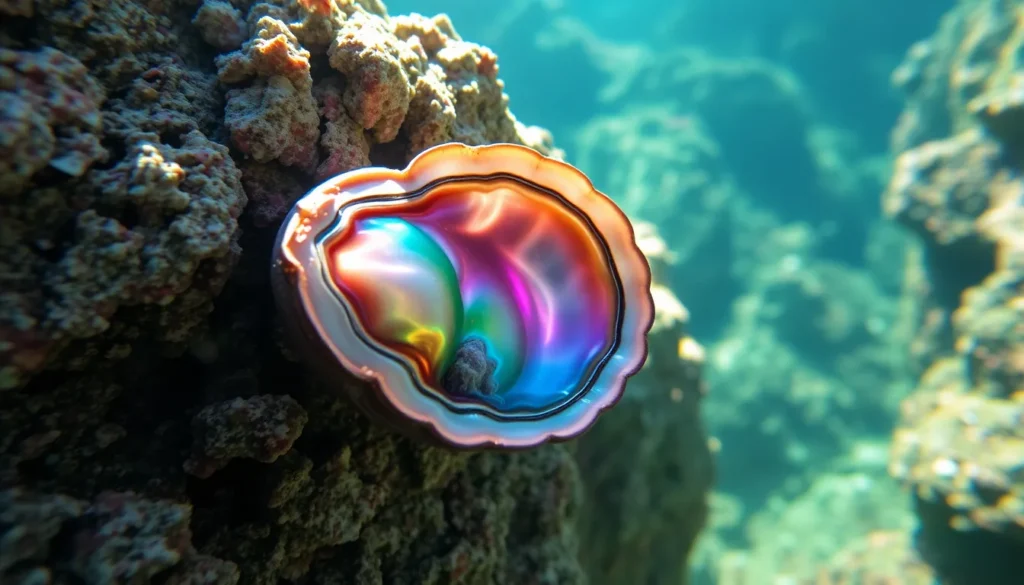
- Abalone are marine gastropod mollusks. They belong to the family Haliotidae and are characterized by a single, ear-shaped shell with a row of respiratory pores.
- They have a unique shell structure. The inside of an abalone shell is lined with nacre, or mother-of-pearl, giving it an iridescent appearance.
- Abalone shells have respiratory pores. These holes allow water to flow over the gills for respiration and waste removal.
- There are around 56 species of abalone worldwide. They are found primarily in cold waters along coastlines of various continents.
- They are herbivores. Abalone primarily feed on algae, scraping it off rocks with their radula, a tongue-like organ with tiny teeth.
- Abalone have a muscular foot. This foot is used for strong attachment to rocks and for locomotion along the substrate.
- They can live up to 30 years. Their lifespan varies by species and environmental conditions.
- Abalone reproduce by releasing eggs and sperm into the water. Fertilization occurs externally in the ocean.
- They have a larval stage called veliger. During this planktonic stage, young abalone drift with currents before settling on the ocean floor.
- Abalone populations are threatened by overfishing. Their meat is considered a delicacy in many cultures, leading to intense fishing pressure.
- Illegal poaching is a significant problem. In some regions, abalone are protected by law, but poachers target them due to their high market value.
- They serve as bioindicators for marine ecosystem health. Because they are sensitive to pollution and environmental changes, their presence reflects water quality.
- Abalone shells have been used in jewelry and art. The iridescent nacre makes them popular for decorative purposes.
- They have cultural significance for indigenous peoples. Many coastal indigenous communities use abalone shells in ceremonies and traditional crafts.
- Abalone farming exists to help meet demand. Aquaculture efforts aim to reduce pressure on wild populations while providing a sustainable source.
- They use a strong suction to cling to surfaces. This helps them resist waves and predators in rocky coastal environments.
- Abalone predators include sea otters, starfish, and certain fish species. These natural predators help regulate their populations.
- Their shells grow with them. As abalone mature, their shells enlarge, adding layers of nacre.
- Abalone have a slow growth rate. This makes population recovery challenging if overharvested.
- Some species are found at depths over 30 meters. While many live in shallow waters, others inhabit deeper reefs.
- Climate change impacts abalone habitats. Ocean warming and acidification can affect their growth and survival.
Habitat and Behavior
Abalone inhabit coastal marine environments, often found clinging to rocky substrates in cold or temperate waters. They prefer shallow waters where algae, their primary food source, is abundant. Their strong muscular foot allows them to maintain a firm grip on rocks, helping them withstand wave action and avoid dislodgement. Abalone are mostly nocturnal feeders, grazing on algae during the night and hiding in crevices during the day to evade predators. Reproduction involves the release of gametes into the water column, where external fertilization occurs. The resulting larvae drift as plankton before settling to the sea floor and developing into juvenile abalones.
Why This Animal Matters
Ecologically, abalone play a key role as herbivores in marine ecosystems, helping control algal growth and contributing to the balance of coastal habitats. Their sensitivity to environmental changes makes them useful indicators of ocean health. Culturally, abalone shells have significant value in indigenous art and ceremonial practices, and their meat is prized in various cuisines around the world. Conservation-wise, many abalone species face threats from overharvesting, habitat degradation, and climate change, prompting efforts in sustainable management and aquaculture. Protecting abalone populations supports biodiversity and the health of marine ecosystems.
Common Misconceptions
Misconception: Abalone shells are made entirely of pearls.
Correction: While abalone shells contain nacre, the same substance that makes pearls, the shells themselves are not pearls but complex calcareous structures lined with iridescent layers.
Misconception: All abalone species are found in tropical waters.
Correction: Most abalone species inhabit cold or temperate coastal waters, with few found in tropical regions.
Misconception: Abalone can move quickly to escape predators.
Correction: Abalone move slowly using their muscular foot and rely more on strong attachment and hiding to avoid predation rather than speed.
Misconception: Abalone populations naturally replenish quickly after overfishing.
Correction: Due to their slow growth and reproductive rates, abalone populations often take many years to recover from overharvesting.
FAQ
What is the main diet of abalone?
Abalone primarily feed on algae, using their radula to scrape it off rocks and other surfaces in their coastal habitats.
Why are abalone shells iridescent?
The iridescence is due to the presence of nacre, or mother-of-pearl, which is composed of microscopic layers of calcium carbonate that reflect light.
Are all abalone species endangered?
Not all species are endangered, but many face threats from overfishing, habitat loss, and poaching. Conservation status varies by species and region.


Leave a Reply