
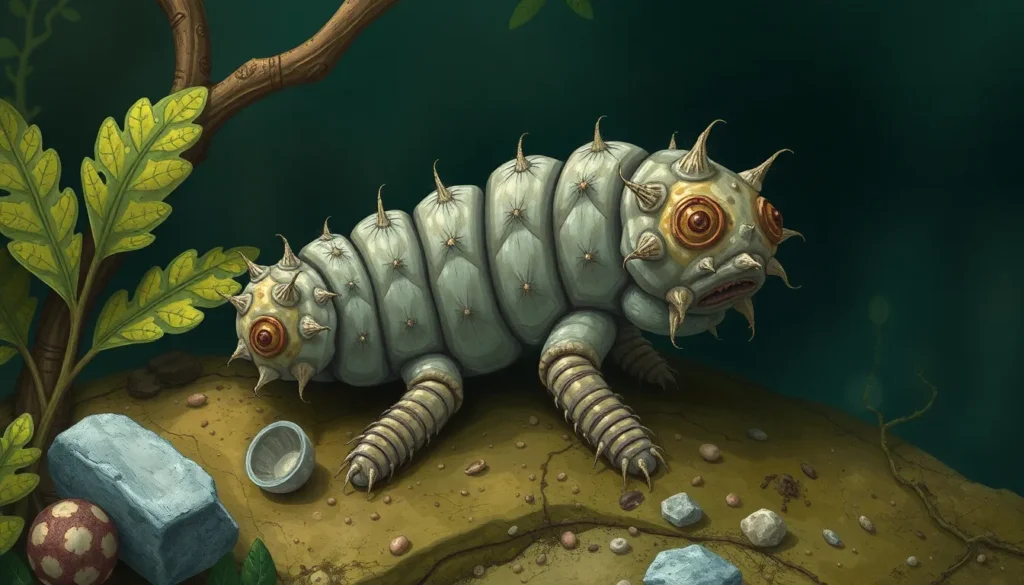
Short Answer
21 Facts About Tardigrades
- Tardigrades can survive extreme dehydration. They enter a state known as cryptobiosis, where they lose almost all their water content, allowing them to endure desiccation.
- The tun state is a form of cryptobiosis. In this state, tardigrades curl into a ball, reducing their metabolic processes to nearly zero.
- Tardigrades can remain in the tun state for decades. Some studies suggest they can survive this state for up to 30 years without water.
- They can withstand extreme temperatures. Tardigrades can survive temperatures as low as -272 °C and as high as 150 °C.
- Tardigrades can endure high levels of radiation. They can survive exposure to ionizing radiation that would be lethal to most organisms.
- They can resist high pressure. Tardigrades can survive pressures up to 6,000 atmospheres, much greater than those found in the deepest ocean trenches.
- Tardigrades are resilient to chemicals. They can withstand exposure to strong acids and bases.
- They can survive in space. Tardigrades have been shown to endure the vacuum and radiation of outer space for short periods.
- They are found in diverse habitats. Tardigrades inhabit a variety of environments, including mosses, lichens, leaf litter, and soil.
- Their body composition aids in desiccation resistance. Tardigrades have unique proteins and sugars that protect their cells during dehydration.
- Tardigrades were first discovered in 1773. They were identified by German zoologist Johann August Ephraim Goeze.
- They are sometimes called water bears. This nickname comes from their bear-like appearance and their aquatic habitats.
- There are over 1,500 known species of tardigrades. They belong to the phylum Tardigrada and are classified into three classes.
- Tardigrades reproduce both sexually and asexually. Depending on the species, they can lay eggs or reproduce by parthenogenesis.
- They have specialized mouthparts. Tardigrades possess a pair of stylets for piercing plant cells or small invertebrates to feed on them.
- They have a unique cuticle. Their outer layer helps protect them from desiccation and environmental stresses.
- Tardigrades can recover from desiccation. When rehydrated, they can resume normal metabolic functions almost immediately.
- Their tun state is reversible. Tardigrades can rehydrate and return to an active state when moisture is restored.
- Tardigrades contribute to nutrient cycling. By feeding on microorganisms and organic matter, they play a role in soil health.
- The study of tardigrades aids in understanding extremophiles. Their resilience provides insight into biological processes in extreme environments.
- Research on tardigrades has potential applications in biotechnology. Understanding their desiccation resistance may lead to advances in preserving biological materials.
Habitat and Behavior
Tardigrades are micro-animals commonly found in moist environments, such as mosses, lichens, leaf litter, and soil. They thrive in diverse habitats, including freshwater and marine ecosystems. Tardigrades exhibit a unique behavior of entering the tun state during unfavorable conditions, allowing them to survive extreme dehydration and other environmental stresses. When conditions improve, they can rehydrate and return to an active state, resuming their normal feeding and reproductive activities.
Why This Animal Matters
Tardigrades play a crucial ecological role in nutrient cycling and maintaining soil health by feeding on microorganisms and organic matter. Their remarkable resilience makes them valuable subjects for scientific research, particularly in the study of extremophiles and potential applications in biotechnology. Understanding tardigrades’ unique adaptations may lead to advancements in areas such as biopreservation and astrobiology, particularly regarding life in extreme environments.
Common Misconceptions
FAQ
What is the tun state of tardigrades?
The tun state is a form of cryptobiosis where tardigrades lose almost all water content and curl into a ball, allowing them to survive extreme conditions.
How long can tardigrades survive in the tun state?
Tardigrades can remain in the tun state for decades, with some studies indicating up to 30 years.
What are tardigrades' dietary habits?
Tardigrades primarily feed on plant cells, algae, and small invertebrates using specialized mouthparts.


Leave a Reply