
Short Answer
21 Facts About Coelacanth
- Ancient Lineage
The coelacanth is part of a lineage that dates back over 400 million years, making it one of the oldest known fish species. - Rediscovery
Thought to be extinct since the Late Cretaceous period, the coelacanth was rediscovered in 1938 off the coast of South Africa. - Two Species
There are two known species of coelacanth: Latimeria chalumnae and Latimeria menadoensis, the latter discovered in Indonesia in 1997. - Distinct Appearance
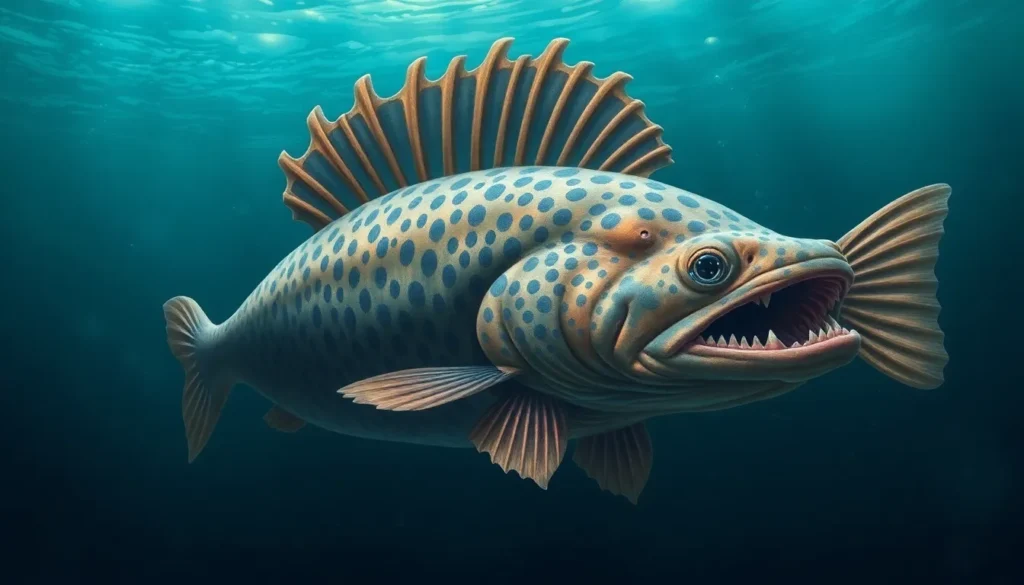
Coelacanths have a unique body structure, featuring lobed pectoral and pelvic fins that resemble limbs. - Coloration
Their skin is covered with small, shiny scales that are often blue or brown, providing camouflage in deep waters. - Slow Reproduction
Coelacanths have a lengthy gestation period, giving birth to live young after about 13 months. - Deep-Sea Habitat
They are primarily found in deep ocean waters, often at depths between 150 to 700 meters. - Diet
Coelacanths are carnivorous, primarily feeding on other fish and cephalopods. - Unique Swim Bladder
Unlike most fish, coelacanths possess a fat-filled swim bladder, which aids in buoyancy control. - Electroreception
They have specialized organs called ampullae of Lorenzini that allow them to detect electrical fields in the water. - Color Change
Coelacanths can change color in response to their environment, helping them blend in with their surroundings. - Conservation Status
Both species of coelacanth are classified as Critically Endangered due to their limited distribution and threats to their habitat. - Scientific Interest
The coelacanth is of great interest to researchers studying vertebrate evolution and the transition of life from water to land. - Longevity
Coelacanths can live for several decades, with estimates suggesting lifespans of up to 60 years. - Behavior
They are mostly solitary and are known to be nocturnal hunters. - Fossil Evidence
Fossils of coelacanths have been found in various parts of the world, indicating a broad historical distribution. - Mythical Status
Upon their rediscovery, coelacanths were often referred to as ‘living fossils,’ leading to various myths and legends about their origins. - Research Challenges
Due to their deep-sea habitat, studying coelacanths in their natural environment poses significant challenges for scientists. - Public Fascination
The story of the coelacanth has captured the public’s imagination, leading to increased interest in marine biology and conservation efforts. - Role in Ecosystems
As a predator, the coelacanth plays a role in maintaining the balance of marine ecosystems. - Symbol of Resilience
Coelacanths symbolize resilience and adaptability in the face of environmental changes.
Habitat and Behavior
Coelacanths inhabit deep ocean waters, primarily found around the coastlines of Madagascar and the Comoros Islands. They prefer rocky underwater structures and caves, where they can hide from predators. Their slow movements and nocturnal habits make them less visible to both predators and prey. Coelacanths are also known to exhibit unique hunting strategies, often using their electroreceptive abilities to locate prey in the dark depths of the ocean.
Why This Animal Matters
The coelacanth plays a crucial role in marine ecosystems as a top predator, contributing to the regulation of fish populations. Its unique evolutionary history provides valuable insights into the transition of vertebrates from aquatic to terrestrial life. Furthermore, the coelacanth has become a symbol of conservation efforts, highlighting the importance of protecting marine biodiversity and the delicate balance of ocean ecosystems.
Common Misconceptions
Coelacanths are primitive fish that have not evolved.
While coelacanths are ancient, they have undergone evolutionary changes and adaptations over millions of years.
Coelacanths are only found in fossil records.
Coelacanths are alive today, with living populations discovered in the 20th century.
FAQ
What is a coelacanth?
A coelacanth is a rare deep-sea fish known for its ancient lineage and unique physical characteristics.
Where can coelacanths be found?
They are primarily found in deep waters around Madagascar and the Comoros Islands.
Why are coelacanths important to science?
They provide insights into the evolution of vertebrates and the history of marine life.




Leave a Reply