
Short Answer
21 Facts About Halibut
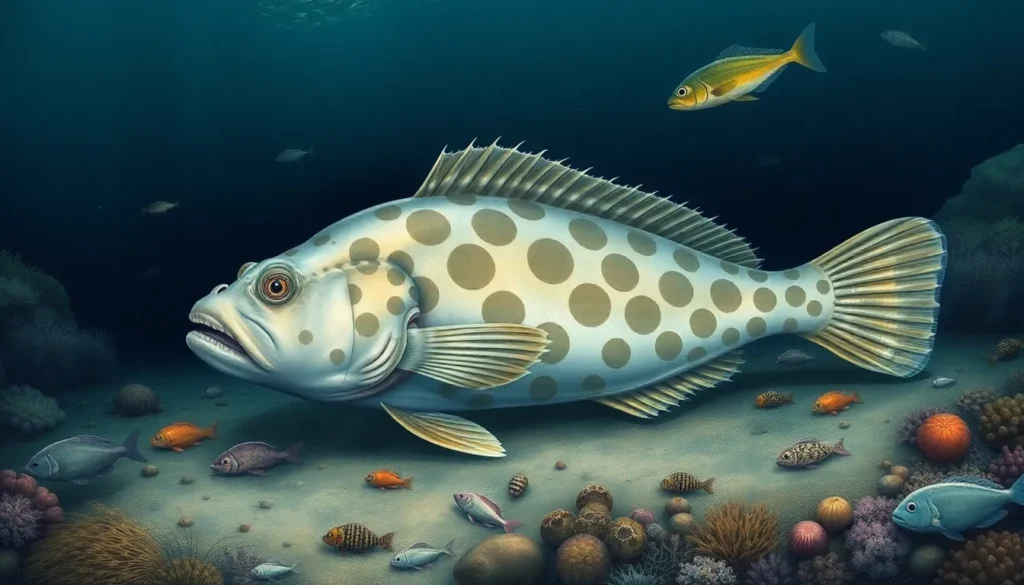
- Halibut are flatfish. Halibut belong to the family of flatfish, characterized by their flattened bodies that allow them to blend seamlessly with the ocean floor.
- Camouflage is essential for survival. Their ability to change color and pattern helps them avoid predators and ambush prey.
- Color change is based on environment. Halibut can adjust their coloration to match the substrate, making them less visible to both predators and prey.
- They have specialized skin cells. Chromatophores are pigment-containing cells that enable halibut to change color rapidly.
- Halibut can mimic textures. In addition to color, they can adjust the texture of their skin to blend in with rocky or sandy environments.
- They have a unique eye position. Halibut are born with one eye on each side of their body; as they mature, one eye migrates to the other side, allowing them to lie flat.
- They inhabit deep waters. Halibut are typically found at depths ranging from 20 to over 1,500 feet.
- Halibut are ambush predators. Their camouflage allows them to lie in wait for fish and other prey to come close.
- They can grow large. The Pacific halibut can weigh over 500 pounds and reach lengths of up to 8 feet.
- Halibut have a unique reproductive strategy. They spawn in deep water, with females laying millions of eggs that drift in the ocean.
- They are primarily bottom feeders. Halibut mostly eat fish, crustaceans, and other small marine animals found on the ocean floor.
- Coloration varies by species. Different species of halibut exhibit distinct color patterns, adapted to their specific habitats.
- They have a significant economic value. Halibut are commercially important, contributing to fisheries in various regions.
- Halibut can live long lives. They can live for over 20 years, with some individuals reaching up to 40 years.
- They have a slow growth rate. Halibut grow slowly, which can make their populations vulnerable to overfishing.
- Halibut are sensitive to environmental changes. Changes in water temperature and pollution can affect their habitats and behaviors.
- They have a well-developed sense of smell. This helps them locate prey in the dark depths of the ocean.
- Halibut can produce sounds. They are known to create sounds for communication, particularly during mating.
- They play a role in their ecosystems. As predators, halibut help maintain the balance of marine ecosystems.
- Halibut are part of cultural traditions. In many coastal communities, halibut fishing is a traditional practice with cultural significance.
- Conservation efforts are ongoing. Due to overfishing concerns, various management strategies are in place to ensure sustainable populations.
Habitat and Behavior
Halibut are primarily found in the North Atlantic and North Pacific Oceans, typically inhabiting sandy or muddy bottoms at varying depths. They exhibit benthic behavior, often lying flat on the sea floor to avoid detection. Their coloration allows them to effectively blend in with their surroundings, providing an advantage as ambush predators. They primarily hunt during twilight hours, relying on their keen sense of smell and excellent camouflage to capture prey.
Why This Animal Matters
Halibut play a crucial ecological role as both predators and prey within marine ecosystems. Their presence helps regulate the populations of various fish and invertebrates, contributing to the overall health of the ocean. Additionally, halibut hold significant cultural and economic value, particularly in regions where fishing is a vital part of local traditions and economies. Conservation efforts are important to ensure that halibut populations remain sustainable despite pressures from fishing and environmental changes.
Common Misconceptions
Halibut can change shape to mimic their environment.
Halibut can change color and texture, but not shape.
All flatfish species are halibut.
Halibut are just one family of flatfish; there are many other types, each with distinct characteristics.
FAQ
What adaptations do halibut have for camouflage?
Halibut have specialized skin cells called chromatophores that allow them to change color and texture to blend into their environment.
Why is halibut important to marine ecosystems?
Halibut serve as both predators and prey, helping to maintain the balance of marine ecosystems.
What are the primary threats to halibut populations?
Overfishing, habitat degradation, and environmental changes such as temperature fluctuations pose significant threats to halibut populations.


Leave a Reply