
Short Answer
21 Facts About Sea Hare Ink Defense
- Ink Production
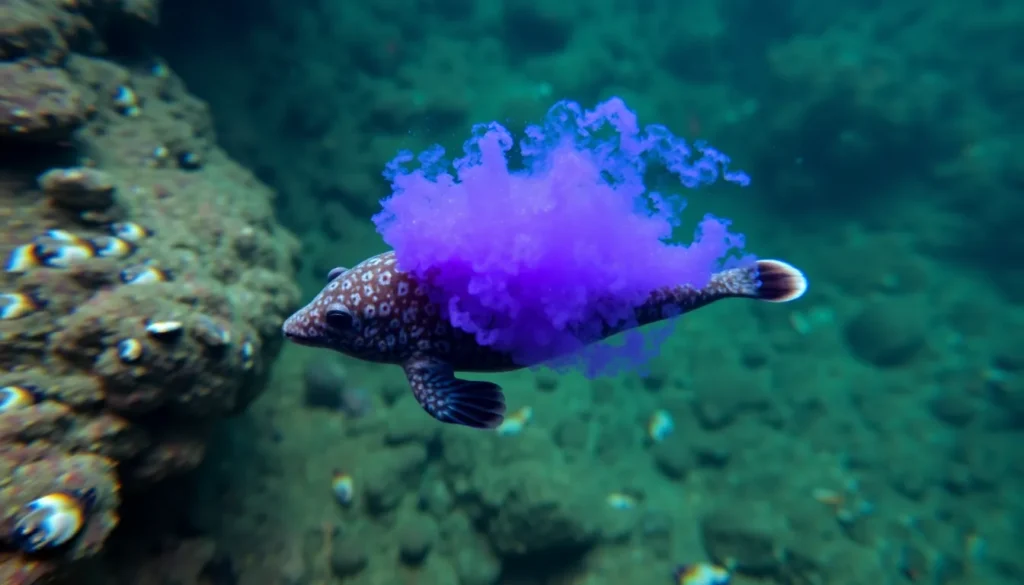
The sea hare produces a purple ink, primarily composed of opaline, which is used as a defense mechanism against predators. - Color Variation
The ink can vary in color from purple to blue, depending on the species and environmental factors. - Defensive Strategy
When threatened, sea hares can expel ink as a diversion, allowing them to escape from predators. - Chemical Composition
The ink contains substances that can be toxic to some predators, providing an additional layer of defense. - Ink Clouds
The released ink creates a cloud in the water, which can confuse and obscure the predator’s vision. - Ink Expulsion Mechanism
Sea hares can control the amount and timing of ink release, allowing them to maximize its effectiveness in evasion. - Behavioral Adaptations
In addition to ink production, sea hares exhibit other defensive behaviors, such as hiding and camouflaging their bodies. - Habitat Influence
Sea hares typically inhabit shallow coastal waters, where they can easily access food sources and escape from predators. - Diet Impact
The diet of sea hares, primarily consisting of algae, can influence the composition and effectiveness of their ink. - Social Behavior
Sea hares can often be found in groups, which may provide safety in numbers and enhance their defense strategies. - Ecological Role
As herbivores, sea hares play a crucial role in maintaining the balance of marine ecosystems by grazing on algae. - Cultural Significance
In some cultures, sea hares have been used in traditional medicine practices due to their unique biological properties. - Reproductive Strategy
Sea hares are known for their unique reproductive behaviors, including the release of ink to deter predators during mating. - Ink Research
Researchers study sea hare ink for potential applications in biotechnology, particularly in pharmaceuticals. - Environmental Stressors
Increased pollution and climate change can impact sea hare populations and their ink production capabilities. - Predators
Main predators of sea hares include fish, crabs, and sea stars, which have adapted to overcome the effects of ink. - Adaptation Over Time
Sea hares have evolved their ink defense mechanism over millions of years, showcasing a successful survival strategy. - Ink and Camouflage
Some sea hares can change color to blend into their surroundings, further enhancing their escape from predators. - Longevity of Ink
The ink can linger in the water for several minutes, providing a temporary shield for the sea hare to escape. - Species Diversity
There are over 30 species of sea hares, each exhibiting variations in their ink defense mechanisms. - Conservation Concerns
Due to habitat destruction and climate change, some sea hare species face threats that could impact their populations and ink production.
Habitat and Behavior
Sea hares are primarily found in shallow coastal waters, particularly in temperate and tropical regions. They prefer habitats rich in algae, which serve as their main food source. Sea hares exhibit a relatively sedentary lifestyle, often remaining in the same area for extended periods. They can be seen grazing on algae and can also display a variety of colors to blend into their surroundings, enhancing their chances of evading predators. Their ability to expel ink serves as a crucial survival tactic, particularly when facing threats from larger marine animals.
Why This Animal Matters
Sea hares play a significant ecological role as herbivores in marine ecosystems, helping to control algal growth and maintain biodiversity. Their ink has garnered interest in scientific research, particularly for its potential applications in medicine and biotechnology. Additionally, understanding sea hares and their unique adaptations provides insight into marine biology and ecological dynamics, highlighting the importance of conserving marine habitats in which they thrive.
Common Misconceptions
Misconception: Sea hares are harmful to humans due to their ink.
Correction: While sea hare ink can be toxic to some marine predators, it poses no threat to humans and is often harmless if it comes into contact with skin.
Misconception: All sea hares produce the same type of ink.
Correction: Different species of sea hares produce ink with varying chemical compositions and properties, influencing its effectiveness as a defense mechanism.
FAQ
What is the primary function of sea hare ink?
The primary function of sea hare ink is to serve as a defense mechanism against predators, creating a cloud that confuses and distracts them.
Is sea hare ink toxic to humans?
No, sea hare ink is not harmful to humans and poses no significant threat.
How do sea hares contribute to their ecosystem?
Sea hares help maintain algal balance in marine environments by grazing, thus playing a crucial ecological role.


Leave a Reply