
Short Answer
21 Facts About Spoon Worms (Echiura)
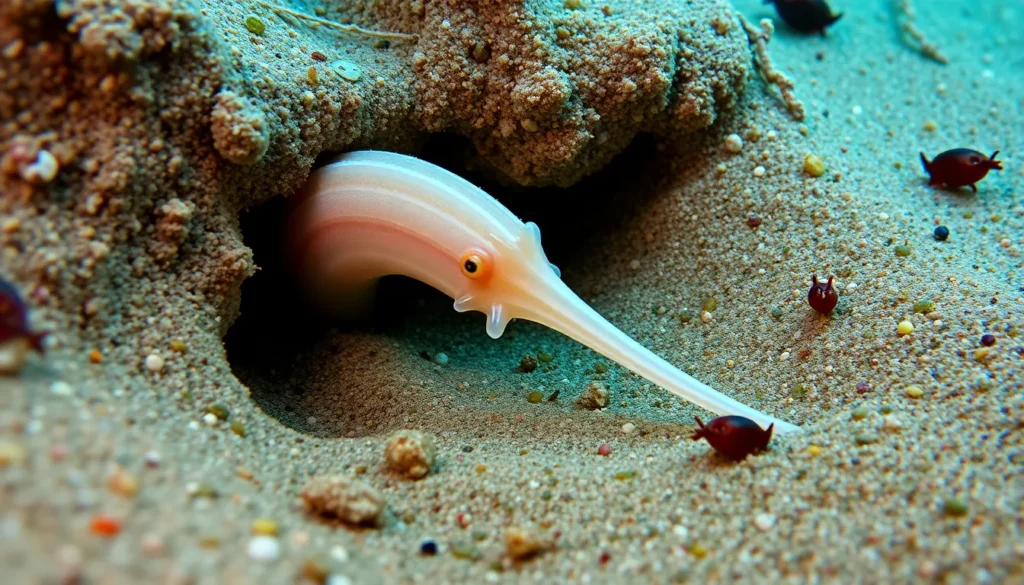
- Spoon worms belong to the subclass Echiura. They are marine worms characterized by a non-retractable, spoon-shaped proboscis used for feeding.
- They were once considered a separate phylum. Historically, Echiura were classified as a distinct phylum but are now recognized as part of the Annelida phylum based on molecular evidence.
- They exhibit unsegmented bodies. Unlike many annelids, spoon worms lack external body segmentation, appearing smooth and elongated.
- Their proboscis can be longer than the body. The proboscis is a flexible, muscular structure that extends out to collect food particles from sediment.
- Spoon worms are deposit feeders. They feed primarily by gathering organic detritus and microorganisms from the sea floor.
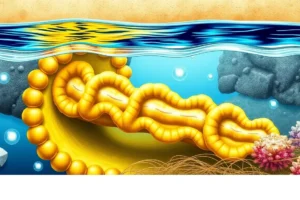
- They inhabit marine sediment environments. Spoon worms typically live in burrows within mud or sand, often in shallow coastal waters.
- Some species can burrow deeply. Certain spoon worms create burrows several centimeters to meters deep to avoid predators and environmental stress.
- They have a simple body plan. Their bodies consist of a trunk and an anterior proboscis, with a U-shaped gut.
- Reproduction can be sexual or asexual. Most species reproduce sexually, with separate sexes, but some can regenerate lost parts.
- Larval stages are planktonic. Spoon worm larvae usually drift in the plankton before settling to the benthic adult stage.
- They lack specialized respiratory organs. Oxygen absorption occurs across the body surface.
- Some species exhibit sexual dimorphism. Males can be much smaller and sometimes live within or attached to the female.
- They play a role in sediment mixing. By burrowing and feeding, spoon worms contribute to bioturbation, which affects sediment structure and nutrient cycling.
- They can be indicators of environmental health. Their sensitivity to pollutants makes them useful in monitoring marine ecosystems.
- Fossil records are sparse. Due to their soft bodies, spoon worms rarely fossilize, making evolutionary study challenging.
- They have a worldwide distribution. Spoon worms are found in oceans globally, from shallow coastal to deep-sea habitats.
- Some species exhibit commensal relationships. They may host or associate with other marine organisms within their burrows.
- Their musculature supports burrowing and feeding. Strong longitudinal and circular muscles enable movement and proboscis extension.
- They are prey for various marine animals. Fish, crabs, and other predators feed on spoon worms as part of the marine food web.
- Spoon worms have been studied for their developmental biology. Their simple body plan provides insights into annelid evolution and developmental processes.
- Research continues to clarify their taxonomy. Molecular studies are ongoing to better resolve the evolutionary relationships within Echiura and related groups.
Habitat and Behavior
Spoon worms inhabit marine environments worldwide, primarily living within soft sediments such as mud or sand. They typically construct burrows, which they use as a refuge from predators and environmental fluctuations. Their behavior centers on deposit feeding, extending their distinctive spoon-shaped proboscis over the sediment surface to collect organic material and microorganisms. The burrowing activity of spoon worms plays an important role in sediment turnover and aeration, influencing benthic ecosystem processes. While generally sedentary, they can retract quickly into their burrows when threatened. Spoon worms reproduce sexually, with larvae that spend time as plankton before settling to the sea floor to grow into adults.
Why This Animal Matters
Spoon worms contribute significantly to marine sediment ecosystems through their bioturbation activities, which promote nutrient cycling and sediment health. As deposit feeders, they help recycle organic matter, supporting benthic food webs. Their sensitivity to environmental changes makes them valuable bioindicators for assessing marine ecosystem health and the impacts of pollution. Although not of direct commercial importance, spoon worms have scientific value for understanding annelid evolution and developmental biology due to their unique morphology and life cycles. Conservation of their habitats supports the broader integrity of coastal and benthic ecosystems.
Common Misconceptions
Misconception: Spoon worms are a separate phylum unrelated to annelids.
Correction: Molecular and anatomical evidence place spoon worms within the phylum Annelida, despite their unsegmented appearance.
Misconception: Spoon worms have segmented bodies like earthworms.
Correction: Unlike many annelids, spoon worms lack external segmentation, which is a key difference in their morphology.
Misconception: Spoon worms are harmful or parasitic.
Correction: Spoon worms are free-living deposit feeders and do not exhibit parasitic behavior; they play beneficial roles in marine ecosystems.
FAQ
What are spoon worms?
Spoon worms are marine worms belonging to the subclass Echiura, characterized by their unsegmented bodies and distinctive spoon-shaped proboscis used for feeding.
Where do spoon worms live?
They live in burrows within marine soft sediments such as mud and sand, ranging from shallow coastal areas to deep-sea environments worldwide.
How do spoon worms feed?
Spoon worms feed by extending their proboscis over the sediment surface to collect organic detritus and microorganisms, functioning as deposit feeders.

Leave a Reply