21 Interesting Facts About Copepods
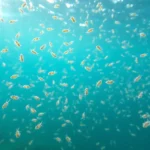
Copepods are small crustaceans found in aquatic environments worldwide. They play a crucial role in marine ecosystems, serving as a key link in the food web and significantly contributing to global carbon cycling.

Copepods are small crustaceans found in aquatic environments worldwide. They play a crucial role in marine ecosystems, serving as a key link in the food web and significantly contributing to global carbon cycling.
Impalas are medium-sized antelopes native to eastern and southern Africa, known for their agility, social behavior, and distinctive physical features. This article explores 21 intriguing facts about impalas, their habitats, behaviors, ecological roles, and common misconceptions.
Animal flight encompasses a diverse range of adaptations and behaviors that allow various species to move through the air. This article explores 21 fascinating facts about the mechanics, evolution, and diversity of flight among animals.
Wolverines are powerful, solitary mammals known for their strength and resilience in harsh environments. This article explores 21 fascinating facts about wolverines, covering their biology, behavior, and ecological importance.
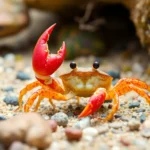
Explore the intriguing behaviors and ecological significance of fiddler crab claw waving, a unique communication method in these fascinating crustaceans.
Nocturnal adaptations are specialized traits that enable animals to thrive in low-light or nighttime environments. These adaptations include enhanced sensory abilities, behavioral changes, and unique physiological features that support survival and reproduction during the night.