
Short Answer
21 Facts About Beetles
- Beetles belong to the order Coleoptera. This is the largest order in the animal kingdom, containing more species than any other group of organisms.
- There are over 350,000 described beetle species. Scientists estimate there could be over a million species yet to be discovered.
- Beetles exhibit complete metamorphosis. Their life cycle includes four stages: egg, larva, pupa, and adult.
- Beetles have two pairs of wings. The front pair, called elytra, are hardened and protect the delicate flying wings underneath.
- Most beetles have chewing mouthparts. These allow them to feed on a variety of materials including plants, fungi, and other insects.
- Beetles occupy nearly every habitat on Earth. They can be found in forests, deserts, freshwater, and even caves.
- Some beetles are bioluminescent. For example, fireflies produce light through chemical reactions to communicate or attract mates.
- The rhinoceros beetle is among the strongest animals relative to its size. It can lift objects many times its own weight.
- Beetles play important roles as decomposers. Many species help break down dead plant and animal material, recycling nutrients.
- Some beetles are agricultural pests. Species like the Colorado potato beetle can cause significant crop damage.
- Others are beneficial predators. Ladybirds (ladybugs) consume aphids and other pests, aiding natural pest control.
- Beetles have diverse feeding habits. Some are herbivorous, others carnivorous, and some feed on fungi or detritus.
- The bombardier beetle defends itself with a chemical spray. It ejects a hot, noxious mixture to deter predators.
- Many beetles exhibit sexual dimorphism. Males and females can differ in size, coloration, or horn development.
- Beetles have been featured in human culture for millennia. Ancient Egyptians revered scarab beetles as symbols of rebirth and protection.
- Beetle fossils date back over 270 million years. They have survived multiple mass extinctions and remain highly successful.
- Some beetles are aquatic. Species like diving beetles are adapted to live and hunt underwater.
- Beetles communicate using sounds and pheromones. Some produce chirps or clicks to attract mates or warn rivals.
- Temperature and humidity strongly affect beetle activity. Many species are most active during warm, moist conditions.
- Beetles contribute to pollination. Certain species visit flowers and assist in plant reproduction.
- Scientists study beetles to monitor environmental health. Changes in beetle populations can indicate habitat changes or pollution.
Habitat and Behavior
Beetles inhabit a vast range of environments, from tropical rainforests to arid deserts and freshwater bodies. Their adaptability is reflected in their varied diets and behaviors. Terrestrial beetles may burrow, climb plants, or live under bark, while aquatic species have specialized limbs for swimming. Many beetles are nocturnal, avoiding daytime heat and predators. Their protective elytra and chemical defenses help them survive threats. Seasonal changes and resource availability often influence beetle activity and reproduction.
Why This Animal Matters
Beetles are crucial components of ecosystems. As decomposers, they recycle nutrients and support soil health. Predatory beetles help control pest populations naturally, reducing the need for chemical pesticides. Pollinating beetles assist in the reproduction of some flowering plants. Furthermore, beetles have cultural significance in various human societies and contribute to scientific research in ecology, evolution, and environmental monitoring. Conservation efforts recognize that habitat loss and pollution threaten many beetle species worldwide.
Common Misconceptions
Misconception: All beetles are harmful pests.
Correction: While some beetles damage crops, many species are beneficial predators or decomposers essential to ecosystem health.
Misconception: Beetles are just bugs and not important.
Correction: Beetles form the largest group of animals and play vital roles in nutrient cycling, pest control, and pollination.
Misconception: Beetles are all small and dull-colored.
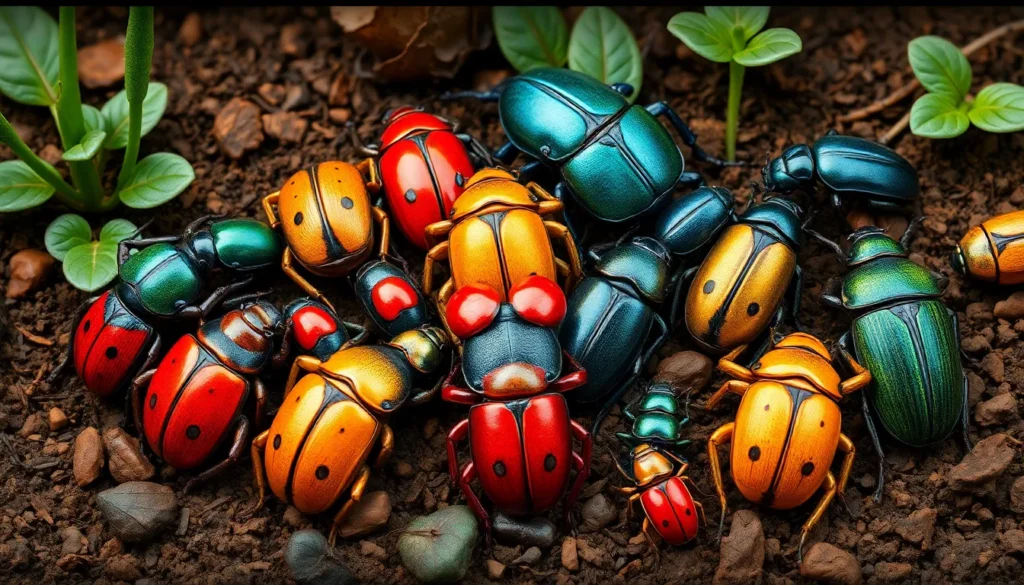
Correction: Beetle sizes range from less than a millimeter to several centimeters, and many exhibit bright colors and intricate patterns.
FAQ
What makes beetles different from other insects?
Beetles are distinguished by their hardened front wings called elytra, which cover and protect their flying wings and abdomen, as well as their chewing mouthparts and complete metamorphosis life cycle.
Are all beetles harmful to plants?
No, while some beetles are considered pests due to feeding on crops, many beetle species are beneficial as predators of pests, decomposers of organic matter, or pollinators.
How do beetles contribute to ecosystems?
Beetles play multiple ecological roles including decomposing dead material, controlling pest populations, pollinating plants, and serving as food for other wildlife, thus supporting biodiversity and ecosystem functions.

Leave a Reply