
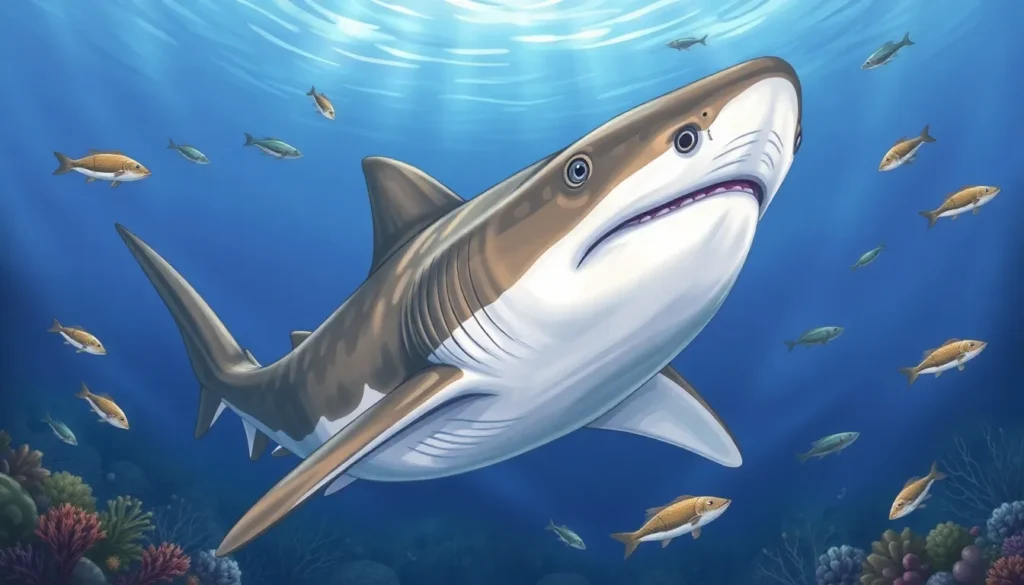
Short Answer
21 Facts About Hammerhead Shark Head Function
- Unique Head Shape
Explain the fact with useful context. The hammerhead shark’s head is flattened and laterally extended, resembling a hammer, which is vital for its unique sensory capabilities. - Enhanced Sensory Perception
The wide head shape allows for improved electroreception. Hammerhead sharks can detect electric fields generated by prey, aiding their hunting efficiency. - Increased Binocular Vision
The placement of the eyes on either side of the hammerhead improves depth perception, giving them a significant advantage when hunting. - Stabilization During Swimming
The hammer-like structure acts as a stabilizer, helping the shark maintain balance and maneuverability in the water. - Prey Detection
Hammerheads can locate prey buried in sand due to the enhanced electroreceptive capabilities that their head shape provides. - Social Behavior
Some species of hammerhead sharks are known to gather in schools, utilizing their head structure for better communication and social interaction. - Adaptation to Environment
The unique head shape allows them to thrive in various marine environments, from coastal areas to deeper oceanic waters. - Size Variation
There are nine recognized species of hammerhead sharks, with varying head shapes and sizes, adapting to their specific ecological niches. - Feeding Strategy
Hammerhead sharks often use their wide heads to pin down prey, such as rays, against the ocean floor, showcasing their strategic hunting abilities. - Reproductive Behavior
Females typically give birth to live young, and the head’s structure plays a role in their social interactions during mating rituals. - Vulnerability to Overfishing
Due to their unique characteristics, hammerhead sharks are often targeted in fisheries, impacting their populations and ecological roles. - Conservation Status
Many species of hammerhead sharks are listed as vulnerable or endangered, prompting conservation efforts focused on protecting their habitats. - Ecological Role
As apex predators, hammerheads play a crucial role in maintaining the balance of marine ecosystems by controlling prey populations. - Cultural Significance
Hammerheads have significance in various cultures, often symbolizing strength and resilience in oceanic folklore. - Impact of Climate Change
Changing ocean temperatures and acidification can affect hammerhead populations, as they are sensitive to alterations in their habitats. - Behavioral Studies
Research into hammerhead behavior has provided insights into their social structures and interactions, contributing to marine biological studies. - Unique Feeding Habits
Their diet primarily consists of fish, squid, and crustaceans, showcasing their adaptability in different marine environments. - Migration Patterns
Some species migrate seasonally, indicating the importance of their head structure in navigation and environmental adaptation. - Historical Significance
Fossil records indicate that hammerhead sharks have existed for over 20 million years, demonstrating their evolutionary success. - Research and Conservation Efforts
Ongoing research aims to better understand their biology and ecology, informing effective conservation strategies. - Public Awareness
Educational programs highlight the importance of hammerhead sharks in marine ecosystems, encouraging conservation efforts.
Habitat and Behavior
Hammerhead sharks are predominantly found in warm coastal waters and are known to inhabit both shallow areas and deeper oceanic regions. They prefer environments such as coral reefs, continental shelves, and sometimes even estuaries. These sharks exhibit social behavior, often forming schools during the day, which can enhance their hunting success and provide protection from predators. Their diet mainly consists of bony fish, squid, and rays, and they utilize their unique head shape for effective hunting techniques.
Why This Animal Matters
Hammerhead sharks play a crucial role in marine ecosystems as apex predators. They help maintain the balance of marine life by controlling the population of their prey, contributing to the overall health of oceanic environments. Additionally, these sharks have cultural significance in various coastal communities, where they are often seen as indicators of healthy marine ecosystems. Their conservation is vital, as declining populations can lead to imbalances in marine biodiversity.
Common Misconceptions
Hammerhead sharks are aggressive towards humans.
While they are large predators, hammerhead sharks are generally not aggressive towards humans and are more likely to avoid encounters.
All hammerhead species are the same.
There are nine different species of hammerhead sharks, each with distinct characteristics and behaviors.
FAQ
What are the main threats to hammerhead sharks?
The primary threats include overfishing, habitat loss, and climate change.
How do hammerhead sharks hunt?
They use their unique head shape to pin down prey and enhance sensory perception.
What is the conservation status of hammerhead sharks?
Many species are classified as vulnerable or endangered, necessitating conservation measures.




Leave a Reply