
Short Answer
21 Facts About Mountain Gorillas
- Subspecies of Eastern Gorilla: Mountain gorillas (Gorilla beringei beringei) are one of two subspecies of the eastern gorilla, distinct from the western gorilla.
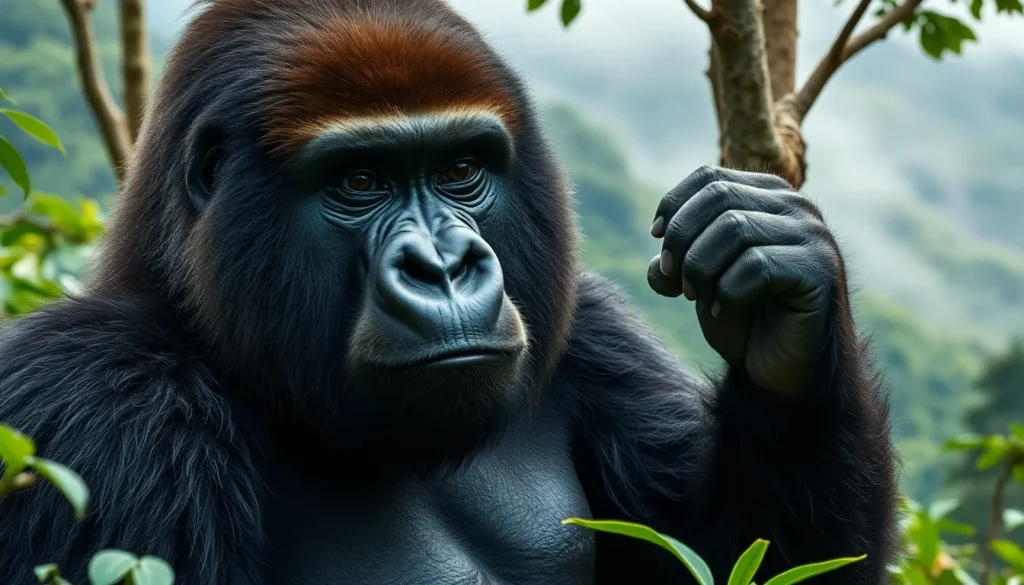
- Thick Fur Adaptation: They have longer and thicker fur than other gorillas, which helps them survive in cold mountainous climates.
- Population Numbers: As of recent estimates, there are approximately 1,000 mountain gorillas left in the wild, a significant increase from previous decades.
- Geographic Range: They inhabit the Virunga volcanic mountains spanning Rwanda, Uganda, and the Democratic Republic of Congo, and the Bwindi Impenetrable National Park in Uganda.
- Diet: Mountain gorillas are primarily herbivorous, feeding on leaves, stems, fruit, and bamboo shoots.
- Social Structure: They live in groups typically led by a dominant silverback male who protects and leads the troop.
- Communication: Mountain gorillas use vocalizations, body postures, and facial expressions to communicate with group members.
- Reproduction: Female gorillas give birth approximately every four years after an eight and a half month gestation period.
- Life Span: In the wild, mountain gorillas can live up to 35-40 years.
- Gentle Giants: Despite their size and strength, mountain gorillas are generally gentle and shy animals.
- Conservation Status: Classified as endangered by the IUCN due to habitat loss, poaching, and disease risks.
- Human Impact: Conservation efforts have improved their numbers, but human activities still pose significant threats.
- Intelligent Primates: Mountain gorillas display problem-solving abilities and use tools in some observed cases.
- Territorial Behavior: While generally peaceful, conflicts can occur between groups over territory.
- Silverback Role: The silverback male maintains group cohesion and decides movement and feeding spots.
- Infant Care: Infant gorillas are cared for by their mothers and other group members, showing social bonds.
- Vocal Repertoire: They produce a range of sounds such as grunts, hoots, and roars for different social contexts.
- Ecotourism Influence: Responsible tourism has helped fund conservation and increase awareness about mountain gorillas.
- Genetic Similarity to Humans: Mountain gorillas share approximately 98-99% of their DNA with humans.
- Disease Vulnerability: They are susceptible to many human diseases, making close contact a conservation concern.
- Symbol of Conservation: Mountain gorillas have become an emblem for wildlife conservation in Africa.
Habitat and Behavior
Mountain gorillas inhabit dense forests at elevations between 2,200 and 4,300 meters in the Virunga Mountains and Bwindi Impenetrable Forest. Their thick fur allows them to endure the cold temperatures typical of these high altitudes. They live in cohesive social groups ranging from a few individuals to over 20 members, led by a dominant silverback male. Their behavior includes grooming to reinforce social bonds, vocal communication to coordinate group activities, and foraging mainly during the day. Mountain gorillas build nests on the ground or in trees for resting and sleeping. Their diet consists primarily of plant material, including leaves, stems, roots, and occasionally fruit when available. They are generally gentle and non-aggressive, though silverbacks will defend their group against threats.
Why This Animal Matters
Mountain gorillas play an important ecological role as seed dispersers, aiding forest regeneration through their diet. Their presence indicates a healthy ecosystem within their mountainous habitat. Culturally, they hold significance for local communities and have become a symbol of wildlife conservation worldwide. Conservation efforts aimed at mountain gorillas have led to increased habitat protection and anti-poaching measures, benefiting other species in the same regions. Moreover, their genetic closeness to humans provides valuable insights into primate behavior and evolution. Protecting mountain gorillas is critical due to their endangered status and vulnerability to human impacts, including habitat destruction and disease transmission.
Common Misconceptions
Misconception: Mountain gorillas are aggressive and dangerous to humans.
Correction: Mountain gorillas are generally gentle and shy. They avoid confrontation with humans unless threatened, and responsible ecotourism follows strict guidelines to minimize disturbance.
Misconception: All gorillas live in mountainous regions.
Correction: Mountain gorillas are a specific subspecies adapted to high-altitude forests. Other gorillas, such as lowland gorillas, inhabit different forest types at lower elevations.
FAQ
What is the main habitat of mountain gorillas?
Mountain gorillas primarily inhabit the dense forests of the Virunga Mountains and Bwindi Impenetrable Forest at elevations between 2,200 and 4,300 meters.
Are mountain gorillas dangerous to humans?
Mountain gorillas are generally shy and non-aggressive. They may only show aggression if they feel threatened, but responsible human interaction minimizes risk.
How are mountain gorillas protected?
Conservation efforts include anti-poaching patrols, habitat protection, veterinary care, and regulated ecotourism programs designed to reduce human impact.



Leave a Reply