
Short Answer
Have you ever paused to ponder how flipping a switch illuminates a room or powers up your favorite gadget? Electrical energy, a ubiquitous yet often mysterious force, governs our daily lives. It is the lifeblood of modern civilization, enabling everything from simple household tasks to advanced technological innovations. But how does this seemingly magical power actually work? Let’s delve deeper into the intricate workings of electrical energy, unraveling the fascinating processes behind your daily power consumption while posing a playful challenge: Can you unravel the mysteries of how your power is generated and delivered to your home?
The Fundamentals of Electrical Energy
At its core, electrical energy is the manifestation of electrons in motion. Electrons, which are subatomic particles with a negative charge, orbit the nucleus of an atom. When these electrons flow in a particular direction, they create an electric current, which is the heartbeat of electrical energy. The flow is measured in amperes, while the intensity of the electrical pressure is expressed in volts. Understanding these foundational elements sets the stage for comprehending how electricity travels from power plants to your devices.
How Is Electricity Generated?
The initial phase of electrical energy’s journey is generation. Electricity is predominantly created through a variety of means. The conversion methods can be broadly categorized into several approaches:
- Thermal Generation: Utilizing fossil fuels like coal, natural gas, or oil, this method involves burning the fuel to generate steam. The steam spins a turbine connected to a generator, producing electricity. While efficient, this process has significant environmental implications due to greenhouse gas emissions.
- Nuclear Energy: In nuclear power plants, the process begins with nuclear fission. The nucleus of an atom is split, releasing a vast amount of energy, which converts water into steam used to drive turbines.
- Renewable Sources: With the aim of sustainability, renewable energy sources such as wind, solar, and hydroelectric power are increasingly prominent. Wind turbines harness kinetic energy from wind, solar panels convert sunlight into electricity, and hydroelectric plants use flowing water to spin turbines. Each of these methods emphasizes a reduced carbon footprint.
Consider how the diverse energy generation methods not only showcase human ingenuity but also highlight the challenges we face in balancing energy needs with environmental stewardship.
The Transmission Network: A Complex Web
Once electricity is generated, it must traverse considerable distances to reach end-users, creating an intricate web known as the transmission network. High-voltage transmission lines carry electricity over expansive regions, and a series of substations reduce the voltage, making it safe for consumption at homes and businesses.
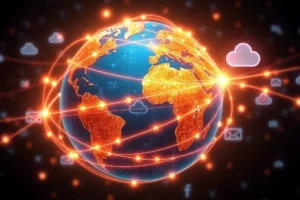
Imagine the modern marvel of a vast electric grid: an interconnected network spanning continents, providing stability and redundancy. Yet, this complexity poses a challenge; the grid must be robust enough to handle sudden spikes in demand or failures, reminiscent of a delicate balancing act.
Distribution: From Substation to Socket
After the voltage has been stepped down at substations, the distribution phase commences. This is where power travels through lower-voltage lines to neighborhoods, eventually reaching individual houses or buildings. Distribution transformers play a crucial role, reducing voltage even further to a safe level for direct use.
Parallelly, smart meters are becoming commonplace; they provide real-time data showing precisely how much energy is being consumed. This technological advancement allows consumers to manage their usage more effectively, presenting an intriguing challenge: can individuals adopt more efficient energy habits to optimize their consumption?
The Role of Electrical Appliances
Once electrical energy arrives in your home, it powers an array of devices, from refrigerators to computers. Each appliance has a unique power demand, calculated in watts, and understanding this demand helps consumers make informed choices about their energy use.
All appliances are designed based on specific standards aimed at maximizing efficiency. However, older models may be less efficient compared to their modern counterparts, raising the question of how changes in technology might impact household energy consumption.
Energy Transformation: The End Use
In essence, electrical energy embodies the transformation of energy. When you turn on a light, electrical energy is converted into light energy, while a toaster transforms it into thermal energy to brown bread. This process underscores the versatility and utility of electrical energy in our everyday lives.
Challenges and Innovations Ahead
As the world leans towards greener solutions, energy efficiency remains a pressing concern. Innovations like energy storage systems, electric vehicles, and smart grids offer promising avenues to enhance the sustainability of electrical energy systems. However, they also introduce new challenges regarding the infrastructure needed to support these advancements.
The journey of electrical energy from generation to consumption is a remarkable interplay of science, engineering, and technology. With a foundational understanding, you can better appreciate the complexities involved in powering your daily life. So, next time you flip a switch, consider the intricate labyrinth of processes that brought that energy to your fingertips: will you engage with these challenges to make your energy use more intentional?
Ultimately, as we evolve towards more sustainable energy practices, the power of electrical energy will remain at the forefront, illuminating our lives – and perhaps, as you ponder the notion, sparking a journey of discovery into better energy stewardship.
FAQ
What is electrical energy?
Electrical energy is the manifestation of electrons in motion, creating an electric current that powers our devices.
How is electricity generated?
Electricity is generated through methods such as thermal generation, nuclear energy, and renewable sources like wind and solar.
What is the role of the transmission network?
The transmission network carries electricity over long distances through high-voltage lines and substations to make it safe for consumer use.
How can I reduce my energy consumption?
Using energy-efficient appliances and smart meters can help manage and reduce energy usage effectively.

Leave a Reply