
Short Answer
21 Facts About COVID-19 and Animals
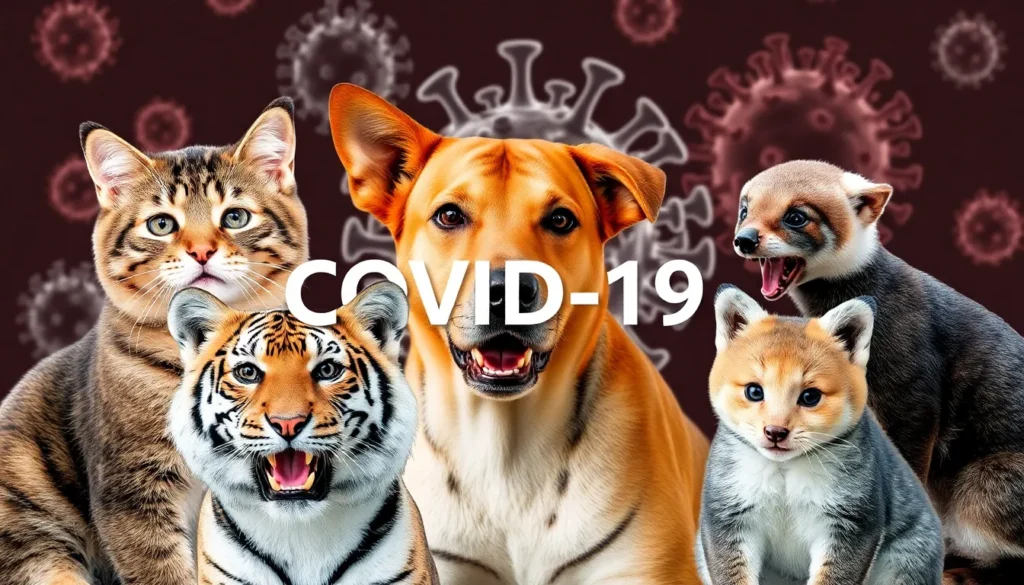
- COVID-19 can infect various animal species. Research has shown that SARS-CoV-2, the virus that causes COVID-19, can infect a range of animals, including domesticated pets like cats and dogs, as well as wildlife such as minks and big cats in zoological settings.
- Minks are particularly susceptible to COVID-19. Farms in several countries experienced outbreaks of COVID-19 among minks, leading to concerns about the potential for these animals to act as reservoirs for the virus.
- Transmission can occur between humans and animals. There is evidence suggesting that humans can transmit the virus to animals, particularly in close-contact situations, highlighting the importance of protective measures for animals in human households.
- Pets may show mild symptoms. Infected pets have exhibited mild respiratory symptoms, but many cases go undetected, as the symptoms can be subtle.
- Zoo animals have tested positive for COVID-19. Notable incidents include tigers and lions at the Bronx Zoo, which contracted the virus from an asymptomatic staff member.
- Research is ongoing to understand animal hosts. Scientists continue to study various animal species to understand their role in the transmission dynamics of COVID-19.
- Some animals can develop antibodies. Studies have indicated that certain infected animals produce antibodies to the virus, suggesting they can mount an immune response.
- Wildlife trade poses a risk for virus spillover. The illegal wildlife trade raises concerns about zoonotic diseases, as the interaction between wildlife and humans increases the likelihood of viruses crossing species barriers.
- COVID-19 has affected animal welfare. Lockdowns and restrictions have disrupted care routines and adoption rates in animal shelters, leading to increased stress among shelter animals.
- Animal health surveillance has become more critical. The pandemic has underscored the need for robust surveillance systems to monitor animal health and prevent future outbreaks.
- Different species have varying susceptibility. While pets and some zoo animals are susceptible, species such as birds and reptiles appear less affected by the virus.
- Vaccines for pets are in development. As the need to protect pets grows, veterinary researchers are developing vaccines specifically for companion animals.
- COVID-19 can affect animal conservation efforts. The pandemic has disrupted conservation initiatives, particularly in regions reliant on tourism for funding.
- Human-animal interactions have changed. Social distancing measures have altered how people interact with animals, affecting pet ownership and animal welfare initiatives.
- Some animals may serve as sentinels for human health. Observing health changes in animals can provide early warning signs for zoonotic diseases that may affect humans.
- Ethical considerations arise from animal testing. The pandemic has sparked debates about the ethics of using animals in research, particularly concerning vaccine development.
- COVID-19 has highlighted the need for One Health approaches. The interconnectedness of human, animal, and environmental health has gained more recognition during the pandemic.
- Pets can transmit the virus back to humans. Although rare, there have been cases where infected pets potentially transmitted the virus to their owners.
- Conservation strategies are evolving. The pandemic has prompted a reevaluation of conservation strategies, considering the health risks posed to both wildlife and humans.
- Animal behavior may change due to stress. Changes in human behavior related to the pandemic have also impacted the behavior and stress levels of domestic animals.
- Public awareness of zoonotic diseases has increased. The pandemic has heightened awareness about the risks of zoonotic diseases, leading to greater public interest in animal health and welfare.
Habitat and Behavior
COVID-19 has affected various habitats, particularly urban areas where human-animal interactions are frequent. Domestic animals like cats and dogs live closely with humans, while wildlife such as minks inhabit farms and natural environments. Their behaviors have adapted based on their living conditions, with domestic pets often relying on humans for care and food, whereas wild animals follow natural instincts for survival.
Why This Animal Matters
The role of animals in the context of COVID-19 is crucial for understanding zoonotic diseases. Animals can serve as reservoirs for viruses, potentially impacting human health. Additionally, they are integral to ecosystems, and their well-being is essential for biodiversity and ecological balance.
Common Misconceptions
Misconception: Pets cannot get COVID-19.
Correction: Pets can contract COVID-19 from infected humans, although serious cases are rare.
Misconception: Animals do not spread COVID-19 to humans.
Correction: While rare, there have been instances of pets transmitting the virus back to humans.
FAQ
Can pets transmit COVID-19 to humans?
Yes, while rare, there have been cases where infected pets potentially transmitted the virus to their owners.
What animals are most affected by COVID-19?
Minks, big cats, and domestic pets like cats and dogs have shown susceptibility.
How has COVID-19 impacted animal welfare?
The pandemic has disrupted care routines and adoption rates in animal shelters, leading to increased stress among shelter animals.
Leave a Reply