
Short Answer
21 Facts About Anglerfish
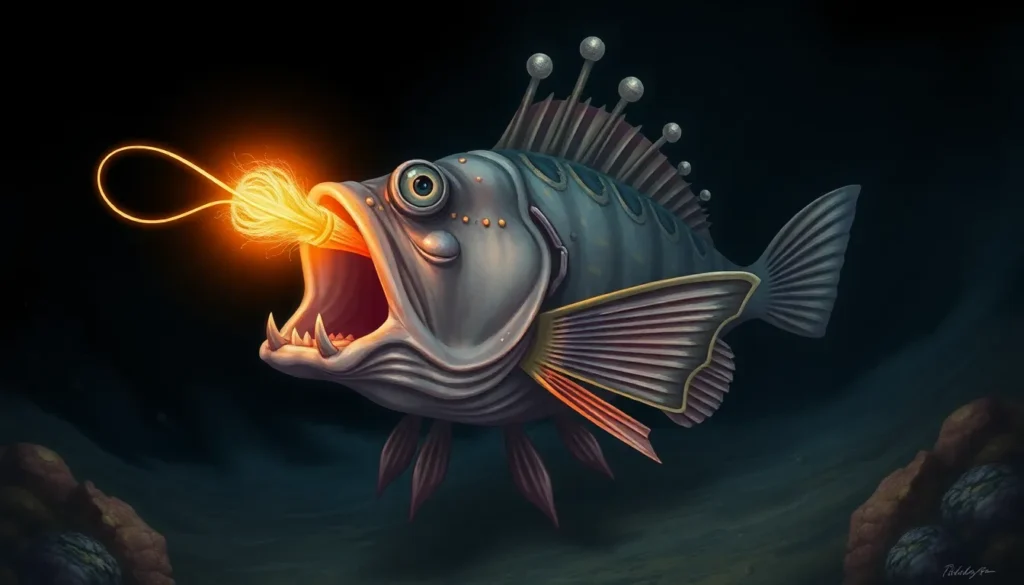
- Unique Lure: The anglerfish is renowned for its bioluminescent lure, which it uses to attract prey in the dark depths of the ocean. The light is produced by symbiotic bacteria that reside in the lure.
- Species Diversity: There are over 200 species of anglerfish, each exhibiting different adaptations and characteristics in their lures and hunting strategies.
- Sexual Dimorphism: Female anglerfish are significantly larger than males, with some females reaching lengths of up to 3.3 feet (1 meter) while males typically measure only a few inches.
- Mate Selection: Males often attach themselves to females, becoming parasitic and dependent on them for nutrients, a behavior known as sexual parasitism.
- Habitat Depth: Anglerfish primarily inhabit deep-sea environments, usually at depths of 200 to 2,000 meters (656 to 6,561 feet), where light penetration is minimal.
- Predatory Strategy: The anglerfish’s lure mimics the appearance of prey, such as smaller fish or crustaceans, making it an effective ambush predator.
- Color Variations: The color of the bioluminescent lure can vary among species, ranging from blue to green, which are colors that can be more visible to potential prey in dark waters.
- Digestive Adaptations: Anglerfish have expandable stomachs that allow them to consume prey much larger than themselves, an adaptation crucial for survival in nutrient-scarce environments.
- Camouflage: Many anglerfish possess mottled skin that helps them blend into their surroundings, reducing the likelihood of being detected by both predators and prey.
- Bioluminescent Mechanism: The light produced by the lure is a result of a chemical reaction involving luciferin and luciferase, similar to other bioluminescent organisms.
- Environmental Indicators: The presence of anglerfish in certain regions can indicate specific ecological conditions and health of deep-sea ecosystems.
- Longevity: Anglerfish are known to have relatively long lifespans, with some species living up to 20 years in their natural habitats.
- Feeding Behavior: They are opportunistic feeders, often consuming whatever prey is available, including fish, squid, and even other anglerfish.
- Reproductive Strategies: Some anglerfish are known to exhibit unique reproductive behaviors, such as laying thousands of eggs that are often fertilized externally.
- Fossil Record: Fossil evidence suggests that anglerfish have existed for over 100 million years, indicating their long evolutionary history.
- Research Interest: The unique adaptations of anglerfish, particularly their bioluminescent lures, have drawn significant interest from researchers studying bioluminescence and deep-sea ecology.
- Role in Food Web: Anglerfish serve as both predators and prey within their ecosystems, contributing to the balance of deep-sea food webs.
- Impact of Climate Change: Changes in ocean temperature and acidity may affect anglerfish populations and their hunting success, highlighting their vulnerability to environmental changes.
- Cultural References: Anglerfish have captured public imagination, often appearing in literature, films, and art as symbols of the mysterious depths of the ocean.
- Conservation Status: While many anglerfish species are not currently endangered, habitat destruction and climate change pose potential threats to their populations.
- Unique Adaptations: Each species of anglerfish has evolved distinct adaptations that cater to its specific environment and prey preferences, showcasing the diversity within this group.
Habitat and Behavior
Anglerfish primarily inhabit the deep sea, often found at depths ranging from 200 meters (656 feet) to over 2,000 meters (6,561 feet). They prefer dark environments where their bioluminescent lures can attract unsuspecting prey. Anglerfish exhibit a sit-and-wait predatory behavior, using their lures to draw in prey before swiftly ambushing them. This strategy is particularly effective in the nutrient-scarce deep-sea environment, where food is limited.
Why This Animal Matters
Anglerfish play a crucial role in deep-sea ecosystems as both predators and prey, contributing to the biodiversity of marine life. Their unique adaptations, particularly their bioluminescent lures, offer insights into evolutionary biology and the functioning of deep-sea environments. Understanding anglerfish can help researchers monitor the health of marine ecosystems and the impacts of climate change, highlighting their ecological significance.
Common Misconceptions
Misconception: All anglerfish species are large and terrifying.
Correction: While some anglerfish species can be large, many are quite small, and their appearance varies widely across different species.
Misconception: Bioluminescence is used primarily for communication.
Correction: In anglerfish, bioluminescence is primarily used to attract prey, though it may also play a role in mating behaviors.
FAQ
What is the primary function of the anglerfish's lure?
The anglerfish's lure primarily serves to attract prey in the dark depths of the ocean.
How do anglerfish reproduce?
Anglerfish can exhibit various reproductive strategies, including external fertilization and sexual parasitism, where males attach to females.
Are anglerfish dangerous to humans?
Anglerfish are not considered dangerous to humans as they inhabit deep-sea environments and rarely come into contact with people.



Leave a Reply