
Short Answer
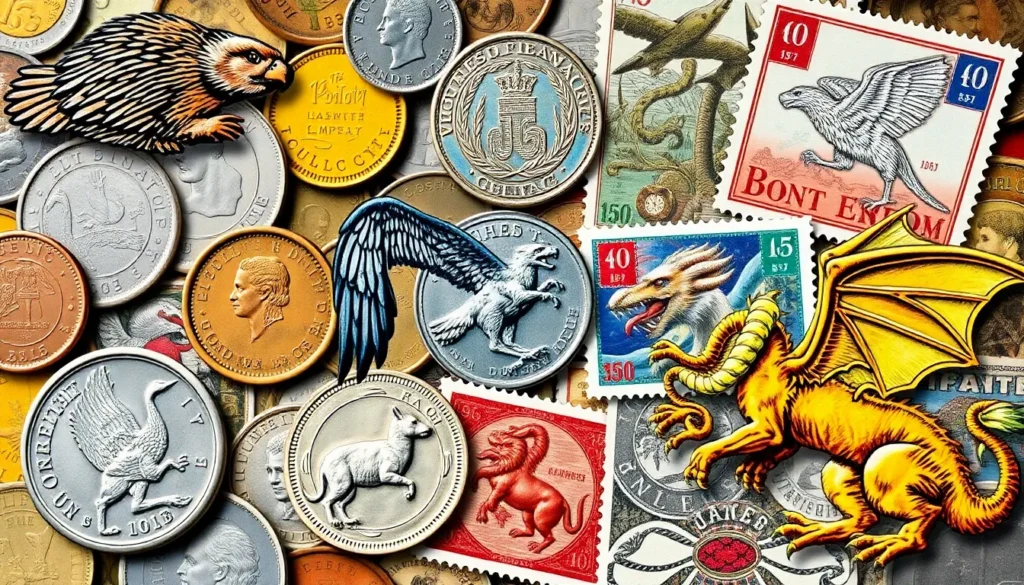
21 Facts About Animals on Coins and Stamps
- Symbolism of National Identity: Many countries use native animals on coins and stamps to represent their natural heritage and national pride, such as the Canadian beaver or the Australian kangaroo.
- Historical Significance: Animal motifs have appeared on currency for centuries, dating back to ancient civilizations like Greece and Rome, where animals symbolized strength, protection, or divinity.
- Diversity of Species: A wide variety of animals have been depicted, ranging from common domestic animals to rare and endangered species, illustrating biodiversity awareness.
- Commemorative Issues: Special coin and stamp series often feature animals to mark significant environmental events, such as World Wildlife Day or conservation anniversaries.
- Artistic Styles: The portrayal of animals on coins and stamps varies from realistic depictions to stylized or abstract representations, reflecting artistic trends and cultural influences.
- Economic Value: Coins and stamps with animal images can become valuable collectibles, especially limited editions or those featuring extinct or mythical creatures.
- Educational Purpose: Animal-themed stamps and coins help raise awareness about wildlife and promote education on animal species and their habitats.
- Use of Native Animals: Countries often prioritize featuring indigenous fauna to highlight their unique ecosystems and promote tourism.
- Inclusion of Mythical Animals: Some coins and stamps feature legendary creatures like dragons or phoenixes, symbolizing cultural myths and folklore.
- Conservation Messages: Animal images on stamps and coins sometimes carry messages about protecting endangered species and natural environments.
- Animals as Emblems: Certain animals serve as national emblems, such as the bald eagle in the United States or the lion in the United Kingdom, frequently appearing on official currency and postage.
- Historical Figures with Animals: Some coins and stamps depict animals alongside prominent historical figures to emphasize connections to nature or power.
- Wildlife Photography Influence: Advances in photography have influenced the detailed and accurate portrayal of animals on modern stamps and coins.
- Use in Political Statements: Animal imagery has occasionally been used on stamps and coins to convey political messages or promote national unity.
- International Wildlife Themes: Collaborative international stamp issues sometimes feature animals to promote global environmental awareness.
- Commemorations of Zoological Events: Events such as the opening of zoos or anniversaries of animal discoveries have inspired special coin and stamp designs.
- Animals and Currency Security: Intricate animal designs can serve as anti-counterfeiting measures on currency.
- Animal Portraiture Evolution: Over time, the techniques and materials used to depict animals on coins and stamps have evolved from engraving to digital printing.
- Animals in Colonial and Post-Colonial Issues: Former colonies have used animal imagery on coins and stamps to assert independence and cultural heritage.
- Collectors’ Interest: Animals on coins and stamps attract niche collectors who focus on wildlife-themed philately and numismatics.
- Representation of Ecosystem Diversity: Some series emphasize animals from specific ecosystems, such as marine life, forests, or deserts, educating the public about ecological variety.
Habitat and Behavior
The animals depicted on coins and stamps originate from diverse habitats worldwide, including forests, oceans, deserts, and urban areas. Their behaviors vary widely, from migratory birds and solitary big cats to social insects and aquatic mammals. The selection of animals often reflects their ecological roles, with many being keystone species, apex predators, or culturally significant fauna. These animals survive through various adaptations such as camouflage, migration, hibernation, and social cooperation. By featuring them on coins and stamps, countries highlight the importance of these species and their natural environments.
Why This Animal Matters
Animals featured on coins and stamps serve multiple roles, both ecologically and culturally. Ecologically, they represent biodiversity and the health of ecosystems, often acting as indicators for environmental changes. Culturally, many animals symbolize national identity, strength, wisdom, or fertility, and are embedded in folklore and tradition. Featuring animals on currency and postage helps raise conservation awareness, promotes environmental stewardship, and fosters a connection between people and wildlife. This awareness can be crucial in protecting endangered species and their habitats.
Common Misconceptions
Misconception: All animals on coins and stamps are real species.
Correction: While most animals depicted are real, some stamps and coins feature mythical or symbolic creatures such as dragons or unicorns, representing cultural myths rather than biological reality.
Misconception: Animal images on coins and stamps are purely decorative.
Correction: These images often carry significant cultural, ecological, and political meanings beyond decoration, serving as tools for education, national symbolism, and conservation messaging.
Misconception: Only large or charismatic animals are featured on coins and stamps.
Correction: A broad range of animals, including insects, amphibians, and marine life, are also represented, reflecting a wide appreciation of biodiversity.
FAQ
Why are animals featured on coins and stamps?
Animals are featured to symbolize national identity, cultural values, and to promote awareness about wildlife and conservation efforts.
Do all countries use native animals on their currency?
While many countries prioritize native animals to highlight their unique fauna, some also feature exotic or mythical animals for cultural or artistic reasons.
Can animal-themed coins and stamps be valuable collectibles?
Yes, limited edition or historically significant coins and stamps featuring animals often gain value among collectors.




Leave a Reply