
Short Answer
1. The Canine Family: Wolves belong to the Canidae family, which also includes domestic dogs, foxes, and other canids.
2. Species Diversity: There are several species of wolves, including the Gray Wolf, Red Wolf, and Arctic Wolf, each adapted to different habitats.
3. Social Creatures: Wolves are highly social animals and typically live in packs, which can range from 2 to over 30 members.
4. Pack Hierarchy: Each pack has a dominant alpha male and female, who lead the group and are often the only ones to breed.
5. Communication Skills: Wolves communicate through a variety of vocalizations, including howls, growls, and barks, as well as through body language.
6. Howling Habits: Howling serves multiple purposes, including helping to locate pack members and marking territory.
7. Territorial Nature: Wolves are territorial animals, and pack territories can span hundreds of square miles, depending on prey availability.
8. Resourceful Hunters: They are carnivorous and primarily hunt large ungulates, such as deer, elk, and moose, using strategic pack tactics.
9. Cooperative Hunting: Wolf packs employ a cooperative hunting strategy, often surrounding prey and executing complex maneuvers to bring them down.
10. Remarkable Stamina: Wolves can travel great distances while hunting, covering up to 12 miles a day in search of food.
11. Ecological Role: As apex predators, wolves play a crucial role in maintaining the balance of ecosystems by controlling herbivore populations.
12. Scent Markers: Wolves use urine and feces to mark their territory and communicate scent to other wolves.
13. Dental Structure: Wolves have powerful jaws equipped with sharp teeth, designed for gripping and tearing flesh, which is essential for their carnivorous diet.
14. Grooming Behavior: Pack members often engage in mutual grooming, which strengthens social bonds and promotes hygiene.
15. Reproductive Patterns: Wolves usually mate once a year, during late winter, leading to the birth of a litter in the spring.
16. Gestation Duration: The gestation period for wolves lasts about 63 days, after which females typically give birth to 4 to 7 pups.
17. Pups and Parental Care: Wolf pups are born blind and helpless, requiring extensive care from both parents and older siblings.
18. Diet Transition: Young pups start eating solid food at around 4 weeks old, gradually transitioning to a diet similar to that of adults.
19. Growth Phases: Wolf pups grow rapidly, reaching adulthood by around 1 to 3 years, depending on the species and environmental factors.
20. Lifespan: In the wild, wolves can live around 6 to 8 years, but some may reach up to 13 years in protected environments.
21. Threats to Survival: Wolves face numerous threats, including habitat loss, hunting, and conflicts with humans, which impact their populations.
22. Conservation Status: Many wolf species are listed as threatened or endangered due to habitat destruction and persecution.
23. Cultural Significance: Throughout history, wolves have held significant places in mythology and folklore, often symbolizing loyalty and hunting proficiency.
24. Domestic Wolves?: The domestic dog is descended from wolves, with humans beginning to domesticate them thousands of years ago.
25. Eyesight and Hearing: Wolves have excellent night vision and acute hearing, allowing them to hunt effectively in low-light conditions.
26. Unique Adaptations: Some wolf species, like the Arctic Wolf, have adapted physically to their harsh environments, featuring dense fur and a more robust body.
27. Loneliness and Solitude: While wolves are social, some individuals may opt to leave their packs in search of solitary living or new packs.
28. Longevity of Bonds: Relationships within packs are often lifetime commitments, with members working together for the survival of the group.
29. Dispersal Age: Young wolves may disperse from their pack at about 6 months to 2 years of age, seeking new territories and mates.
30. Hybridization: Wolves can interbreed with other canids, including coyotes and domestic dogs, creating hybrid offspring.
31. Place of Rest: Wolves often establish “denning” sites where they rest, raise pups, and seek shelter from harsh weather.
32. Body Language: Wolves communicate a great deal through body language, such as tail position, ear orientation, and facial expressions.
33. Northern Distribution: Wolves are found across various continents, but are particularly abundant in North America, Europe, and Asia.
34. Historical Range: Historically, wolves roamed much of the Northern Hemisphere but now have significantly reduced ranges due to human expansion.
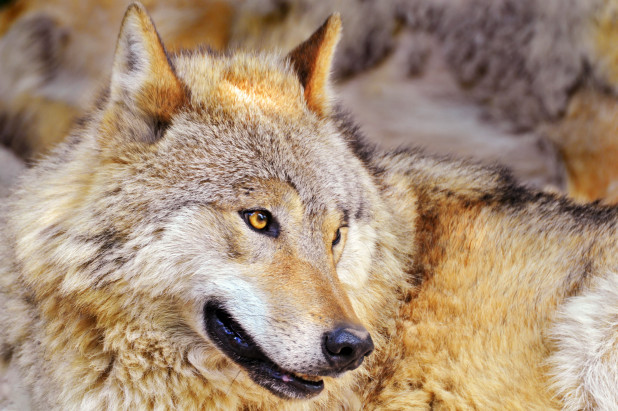
35. Different Colorations: Wolf fur can vary in color from pure white to shades of gray, brown, black, and even reddish hues, depending on the individual and geographic area.
36. Grooming Hierarchy: Within a pack, grooming behaviors can indicate social rankings among members.
37. Claiming Territory: When wolves howl, it often serves as a method for advertising their location to neighboring packs, helping to avoid conflict.
38. Habitat Preferences: Wolves are adaptable to many types of habitats, including forests, tundras, grasslands, and even deserts.
39. Seasonal Behavior Changes: Wolves may change their hunting and social behaviors in response to seasonal changes in prey availability.
40. Loners in Wilderness: Some wolves prefer to live solitary lives far from pack dynamics, hunting and roaming independently.
41. Evolutionary Persistence: Wolves have been around for millions of years, demonstrating an impressive evolutionary resilience.
42. Adaptation Mechanisms: Their adaptations allow wolves to thrive in diverse climates, from frigid tundras to arid landscapes.
43. Delicate Balance: The existence of wolves contributes to the health of ecosystems by regulating prey populations and maintaining biodiversity.
44. Learning through Observation: Young wolves are taught survival skills by observing and mimicking adult wolves during hunts.
45. Ritualistic Behavior: Some wolves engage in play rituals to strengthen bonds and practice hunting tactics with siblings and pack members.
46. Historic Perceptions: In some cultures, wolves have been revered as spiritual guides or symbols of strength and endurance.
47. Inter-Package Dynamics: Wolves often have complex interactions with neighboring packs, balancing competition and cooperation.
48. Additionally, Wolf Dogs:: Hybrid animals between wolves and domestic dogs are becoming increasingly popular, raising concerns about behavior and welfare.
49. Intellectual Capabilities: Wolves exhibit problem-solving skills and adaptability, showcasing intelligence in their hunting and social interactions.
50. Scent Communication: Wolves possess an acute sense of smell, capable of detecting scents from several miles away.
51. Foot Structure: Wolves have large, padded feet that provide traction and insulation in snow, aiding their survival in various terrains.
52. Influence on Ecosystems: Their predation prevents overgrazing, allowing plant life to recover and supporting diverse wildlife populations.
53. Bonds with Humans: There have been efforts to rehabilitate and coexist with wolf populations, as they play a crucial role in wilderness conservation.
54. Altruistic Behavior:: Wolves display altruism—pack members commonly share food with each other, even with lower-ranking individuals.
55. Nomadic Tendencies: They are not exclusively territorial; wolves may migrate across vast distances in search of food or new territories.
56. Adaptations for Survival: Their keen sense of hearing enables them to pick up sounds from several miles away, which is essential for locating prey and communicating.
57. Diseases and Health Risks: Just like any animal, wolves are susceptible to various diseases, which can affect their population dynamics.
58. Impact of Climate Change: Climate change poses significant threats to wolves by altering their habitats and prey availability.
59. Lifespan Variation: Environmental conditions, social structure, and prey availability largely influence the lifespan of wolves in the wild compared to captivity.
60. Historical Background: Evidence of ancient wolves has been found in various archaeological sites, indicating their long-standing relationship with humans.
61. Pack Adaptations: Packs often adapt their structure based on environmental pressures, varying from larger groups in open areas to smaller ones in dense forests.
62. Controversial Hunting Practices: In many regions, wolves are hunted due to livestock predation, causing ongoing conflict between conservationists and ranchers.
63. Pets or Wild?: While domestic dogs are related to wolves, they exhibit markedly different behaviors and temperaments from their wild ancestors.
64. Hunting Efficiency: Their remarkable hunting skills are honed through generations, making them some of the most effective predators in their ecosystems.
65. Den Sites: Ultimately, denning sites are crucial for protecting vulnerable pups from environmental threats during their formative months.
66. Genetic Diversity: The genetic diversity of wolf populations influences their adaptability and resilience to environmental changes.
67. Transition between Packs: Some individuals may switch packs, which can introduce new genetic material and help prevent inbreeding.
68. Collaborative Parenting: Both parents invest in raising the pups, which helps ensure their survival and strengthen the pack’s cohesion.
69. Ecological Importance: By maintaining herbivore populations, wolves indirectly promote the growth of vegetation, which supports a wide range of wildlife.
70. Unique Vocal Behaviors: Each wolf has a unique howl, allowing pack members to identify each other easily during communication.
71. Impact on Other Species: The presence of wolves can have cascading effects on entire ecosystems, altering species compositions and dynamics.
72. Emotional Capabilities: Wolves demonstrate emotional intelligence, forming deep bonds and exhibiting grieving behavior when a pack member dies.
73. Animals of the Night: Much of their hunting occurs at dusk and dawn, taking advantage of the active behaviors of their prey.
74. Wolf-dog Conflict: The rising popularity of wolf-dog hybrids raises ethical concerns about welfare, behavior, and conservation implications.
75. Wolves and Fire: Studies suggest that wolves’ hunting habits can inadvertently shape natural fire regimes in certain ecosystems.
76. interconnectivity: Preservation of wolves supports numerous other wildlife species, exemplifying the interconnectedness of ecosystems.
77. Historical Culling: Government eradication programs in the 19th and 20th centuries drastically reduced wolf populations across various regions, leading to ecological imbalances.
78. Technological Aid: Modern technology, including GPS tracking, aids in monitoring wolf movements and behaviors for conservation efforts.
79. Group Dynamics: The complex social structures of wolf packs allow them to respond effectively to threats and changes in their environment.
80. Wolves in Education: Many conservation organizations utilize wolves as educational tools to promote wildlife preservation and ecology awareness.
81. Mythical Linkages: Wolves often feature prominently in literature and popular culture, symbolizing various human traits and emotions.
82. Interaction with Humans: Historically, wolves were often viewed as threats to livestock, but recent efforts advocate for coexistence.
83. Pack Cohesion: Activities such as hunting and grooming reinforce pack unity, critical for their survival in the wild.
84. Global Distribution: While wolves are found on multiple continents, their populations are most dense in North America and Eurasia.
85. Seasonal Breeding Patterns: Wolves breed in late winter to align the birth of pups with the most favorable environmental conditions.
86. Symbiotic Relationships: Some animals, like ravens, may follow wolves to benefit from their hunts, showcasing ecological cooperation.
87. Pack Size Variability: Environmental pressures dictate pack sizes, with certain packs expanding or contracting based on food availability.
88. Advanced Learning: Wolves have shown the ability to learn through trial and error, adapting strategies based on experiences and circumstances.
89. Cultural Misunderstandings: A common misunderstanding frames wolves as inherently dangerous, overlooking their role in ecological balance and behavior.
90. Wolf Reintroduction: Successful reintroduction projects in places like Yellowstone National Park highlight the potential for recovery and restoration of ecosystems.
91. Artic Adaptations: Arctic wolves have developed profound adaptations, allowing them to thrive in extreme temperatures and cold climates.
92. Fascinating Behaviors: Observing wolves in their natural habitats offers unprecedented insights into their complex behaviors and social structures.
93. Connection to Mythology: Various indigenous cultures revered wolves, weaving their significance into myths and spiritual narratives.
94. Emphasis on Conservation: The focus on wolf conservation underscores the importance of maintaining healthy ecosystems and species diversity.
95. Predation Techniques: Wolves utilize a variety of hunting techniques, from endurance chasing to ambush strategies, tailored to their prey.
96. Shifts in Populations: Shifts in prey populations can lead to changes in wolf pack behavior and hunting tactics as they adapt to survive.
97. Economic Factors: The presence of wolves can have economic implications for tourism while simultaneously posing challenges for livestock farming.
98. Legends and Folklore: Many legends depict wolves as cunning and intelligent, emphasizing their role in human culture and heritage.
99. Rehabilitation Efforts: Efforts to rehabilitate injured or orphaned wolves highlight the compassion and commitment to restoring wildlife populations.
100. A Majestic Legacy: The enduring legacy of wolves in ecosystems, folklore, and biodiversity reminds us of their integral role in the natural world.





Leave a Reply