
Short Answer
21 Facts About Sunfish
- Size at Birth
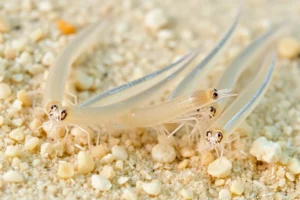
The sunfish hatchlings are remarkably small, typically measuring around 2 to 3 centimeters in length. This small size contrasts sharply with their eventual adult length, which can reach over 3 meters. - Growth Rate
Sunfish exhibit one of the fastest growth rates among fish, often growing several centimeters in just a few weeks. This rapid growth is crucial for their survival in competitive marine environments. - Maximum Size
Adult sunfish can weigh up to 2,300 kilograms (about 5,000 pounds), making them the heaviest bony fish in the world. Their size is an adaptation that helps deter predators. - Growth Stages
Sunfish go through several distinct growth stages, starting from small larvae to juvenile forms before reaching their massive adult size. Each stage has specific ecological needs and behaviors. - Dietary Impact on Growth
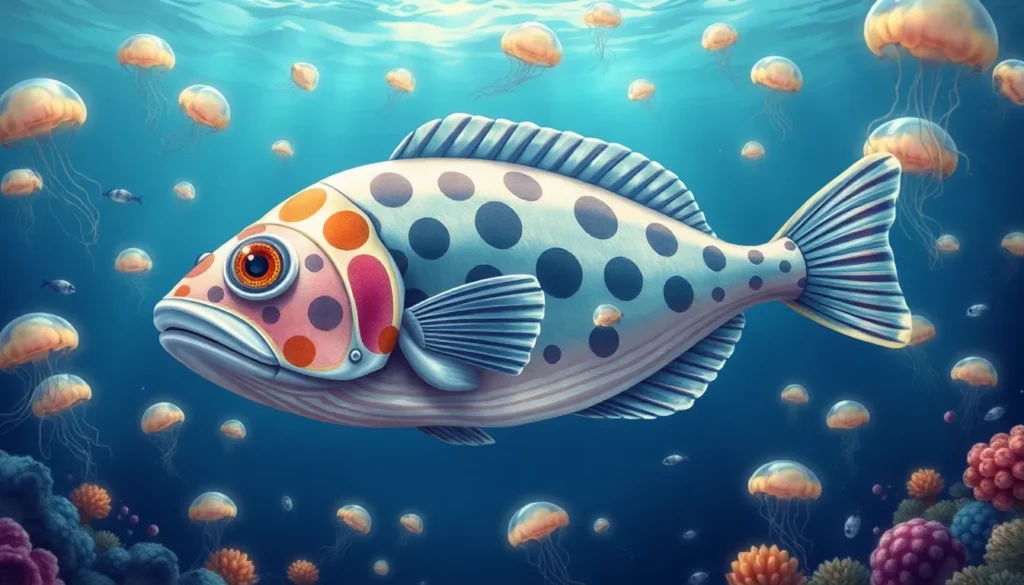
Their diet primarily consists of jellyfish, which provides the necessary nutrients for their growth. Availability of food sources can significantly influence their growth rates. - Age Estimation
Researchers estimate the age of sunfish by analyzing their scale rings, similar to trees. This method can reveal insights into their growth patterns and longevity. - Longevity
Sunfish can live for over 20 years in the wild. Their long lifespan allows them to reproduce multiple times, contributing to population stability. - Reproductive Growth
Female sunfish can produce up to 300 million eggs in a single spawning season, although only a small percentage survive to adulthood due to predation. - Habitat Influence on Growth
Sunfish are typically found in temperate and tropical oceans, where water temperatures and currents can affect their growth rates and reproductive success. - Environmental Challenges
Changes in ocean conditions, such as temperature and salinity, can impact the growth and health of sunfish populations, highlighting their sensitivity to climate change. - Body Structure
The unique flattened shape of the sunfish is an evolutionary adaptation that aids in their buoyancy and energy efficiency while swimming, contributing to their growth strategy. - Social Behavior
While generally solitary, sunfish can sometimes be seen basking in groups at the surface, which may play a role in their growth and health by facilitating cleaning behavior from smaller fish. - Predation
Young sunfish are particularly vulnerable to predators such as larger fish and seabirds, impacting their survival and growth rates during early life stages. - Ecological Role
As a gelatinivorous species, sunfish play a significant role in controlling jellyfish populations, impacting marine ecosystems and food webs. - Conservation Status
Despite their large size, sunfish face threats from fishing, habitat loss, and climate change, prompting conservation efforts to study their growth and population dynamics. - Research Importance
Understanding the growth patterns of sunfish is vital for effective conservation strategies and managing their populations in changing marine environments. - Climate Change Impact
Rising ocean temperatures can alter the availability of their primary food source, jellyfish, potentially hindering their growth and survival. - Adaptation to Predation
As they grow, sunfish develop adaptations that help reduce their vulnerability to predators, such as increased size and the ability to change their swimming depths. - Migration
Sunfish are known to migrate long distances for feeding and breeding, which can affect their growth rates depending on the availability of food in different regions. - Body Composition
Their body consists of a large amount of muscle and fat, enabling them to store energy effectively, which is essential for their growth and reproduction. - Human Interaction
Human activities such as fishing and pollution can adversely affect sunfish growth and habitat, underscoring the need for responsible marine practices.
Habitat and Behavior
Sunfish inhabit a variety of marine environments, primarily residing in temperate and tropical oceans. They are often found in open waters but can also be spotted near coastal regions, typically at depths ranging from the surface to about 600 meters. Sunfish exhibit a unique behavior where they bask at the ocean’s surface, allowing them to regulate their body temperature and absorb sunlight. Their diet mainly consists of jellyfish, which they consume in large quantities, and their feeding behavior plays a crucial role in controlling jellyfish populations in their habitat.
Why This Animal Matters
Sunfish play an essential ecological role in marine ecosystems. By preying on jellyfish, they help maintain balance in the ocean’s food web, preventing jellyfish blooms that can disrupt marine life. Their large size and unique biology also make them a subject of scientific interest, providing insights into growth and adaptation in marine species. Additionally, their conservation is vital as they face numerous threats from human activities, making understanding their growth patterns crucial for effective management and protection strategies.
Common Misconceptions
Sunfish are slow and clumsy swimmers.

While they have a unique body shape, sunfish are surprisingly agile in water and can swim at considerable speeds when necessary.
Sunfish are dangerous to humans.
Sunfish are generally harmless to humans and are often curious, approaching divers and swimmers without aggression.
FAQ
What do sunfish eat?
Sunfish primarily feed on jellyfish, but they also consume other gelatinous organisms and plankton.
How do sunfish reproduce?
Sunfish reproduce by spawning, releasing large quantities of eggs into the water where fertilization occurs externally.
Are sunfish endangered?
While not currently listed as endangered, sunfish populations face threats from fishing and habitat changes, highlighting the need for conservation.

Leave a Reply