
Short Answer
21 Facts About Tangs and Surgeonfish
- Scalpel-like Spines: Tangs and surgeonfish are known for their distinctive scalpel-like spines located on either side of their tails, which they use for self-defense against predators.
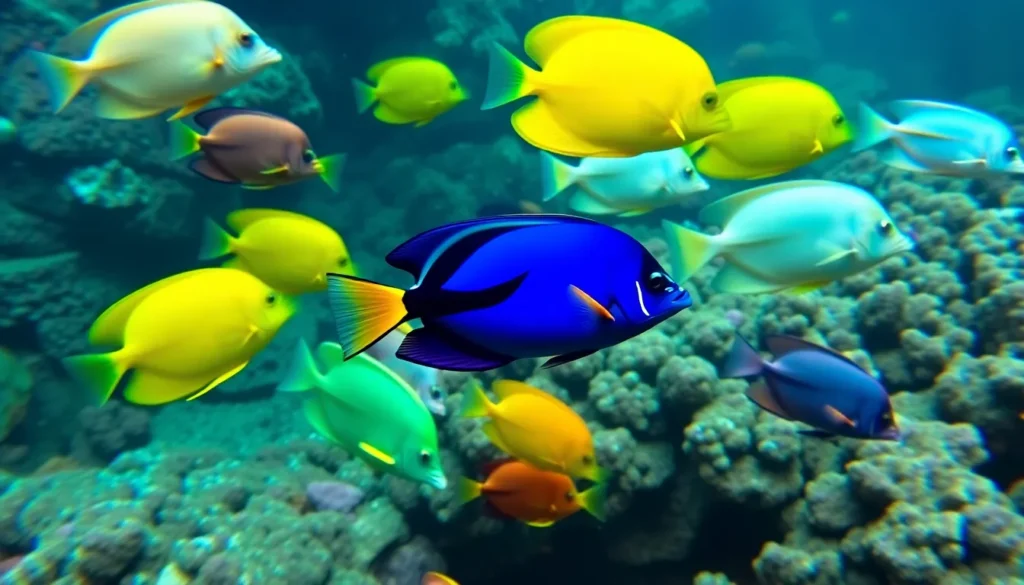
- Colorful Species: There are over 75 species of tangs and surgeonfish, many of which display vibrant colors and patterns.
- Herbivorous Diet: Most tangs and surgeonfish are herbivores, primarily feeding on algae and plant matter.
- Symbiotic Relationships: Some species maintain symbiotic relationships with other marine organisms, such as cleaner shrimp.
- Social Behavior: Tangs often exhibit social behaviors, including forming schools or groups for protection.
- Habitat Range: They are commonly found in warm, shallow waters of the Indo-Pacific region.
- Breeding Habits: Many tangs and surgeonfish engage in spawning, releasing eggs and sperm into the water column.
- Longevity: Some tangs can live for more than 30 years in the wild under optimal conditions.
- Threats to Survival: Tangs and surgeonfish face threats from overfishing and habitat destruction.
- Captivity Challenges: While some tang species are popular in the aquarium trade, they often face challenges in captivity due to specific dietary needs and territorial behavior.
- Color Change: Some species can change color in response to environmental stress or social cues.
- Unique Gill Structure: Tangs possess a unique gill structure that allows them to efficiently filter food particles from the water.
- Human Interaction: Tangs are often sought after for aquariums, but sustainable practices are necessary to prevent overharvesting.
- Famous Species: The Blue Tang, made popular by media, is one of the most recognized species worldwide.
- Physical Adaptations: Many tangs have evolved body shapes that allow for agile swimming in complex reef environments.
- Seasonal Migration: Some species may undertake seasonal migrations to find suitable breeding grounds or feeding areas.
- Environmental Indicators: Tangs can serve as indicators of reef health, as their presence often correlates with vibrant, healthy ecosystems.
- Colorful Patterns: The patterns on tangs are not just for show; they can help in camouflage and social interactions.
- Conservation Efforts: Various organizations are working to protect tang habitats through marine reserves and sustainable fishing practices.
- Research Importance: Tangs and surgeonfish are often subjects of scientific research due to their ecological roles and adaptability.
- Artistic Representation: Tangs have inspired various forms of art and culture, symbolizing beauty and resilience in marine life.
The spines are sharp and can inflict wounds, making these fish formidable in their habitats. They are capable of swinging these spines to deter threats.
This diversity in coloration often serves as a means of communication and can play a role in mating rituals and territorial displays.
Their feeding habits are crucial in maintaining the health of coral reefs by controlling algal growth, which can otherwise smother corals.
These relationships benefit both parties, with the fish receiving grooming and the shrimp gaining food.
This schooling behavior can provide safety in numbers against potential predators.
Tangs and surgeonfish thrive in coral reef ecosystems, where they find abundant food sources and shelter.
This reproductive strategy can lead to high juvenile mortality rates, but it maximizes the chances of species survival.
Their longevity is influenced by environmental factors, availability of food, and the presence of predators.
Conservation efforts are essential to protect their populations and the ecosystems they inhabit.
Proper care and understanding of their requirements are critical for their survival in artificial environments.
This adaptability can help them blend into their surroundings or communicate their mood to other fish.
This adaptation is crucial for their herbivorous diet, enabling them to extract nutrients from algae and detritus.
Awareness and education about responsible fishkeeping can aid in their conservation.
This popularity has led to increased demand, necessitating careful management to ensure sustainable populations.
Their streamlined bodies help them navigate through coral formations effectively.
These migrations can be essential for maintaining genetic diversity and population health.
Monitoring their populations can provide insights into the overall condition of coral reefs.
These patterns may evolve based on their environment and social structures.
Conservation initiatives are vital for ensuring the long-term survival of these species.
Studying these fish can help improve our understanding of marine ecosystems and conservation methods.
This cultural significance highlights the need for their preservation and respect in natural settings.
Habitat and Behavior
Tangs and surgeonfish predominantly inhabit warm, shallow waters of the Indo-Pacific region, often residing in coral reefs. They exhibit various behaviors, including socializing in groups and defending territories. Their herbivorous diet primarily consists of algae, which they graze on rocks and coral surfaces. Their unique scalpel-like spines serve as a defense mechanism against predators, allowing them to thrive in competitive environments.
Why This Animal Matters
Tangs and surgeonfish play a crucial role in their ecosystems by controlling algal growth, which helps maintain the health of coral reefs. Their presence can indicate the overall health of the marine environment. Additionally, their unique adaptations and behaviors make them subjects of scientific research, contributing to a greater understanding of marine biology and conservation efforts.
Common Misconceptions
Misconception: Tangs and surgeonfish are dangerous due to their spines.
Correction: While they possess sharp spines for defense, they are not aggressive and will only use them when threatened.
Misconception: All tangs are the same species.
Correction: There are over 75 different species of tangs and surgeonfish, each with unique characteristics and habitats.
FAQ
What is the primary diet of tangs and surgeonfish?
They primarily feed on algae and plant matter, playing a vital role in maintaining coral health.
How do tangs defend themselves?
They use their sharp, scalpel-like spines located on their tails to deter predators.
Are tangs suitable for home aquariums?
While some species are popular in the aquarium trade, they require specific care and conditions to thrive.



Leave a Reply