
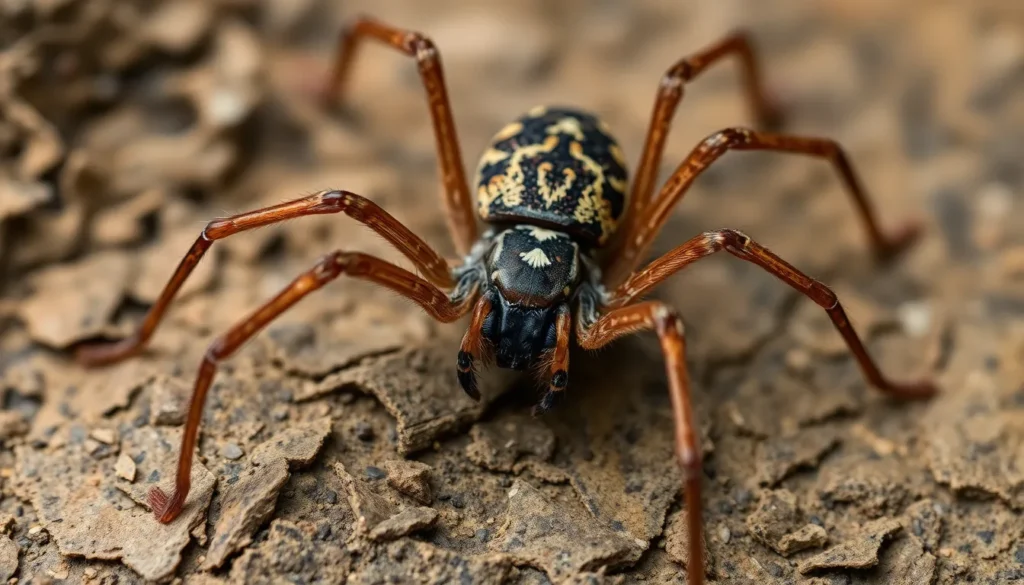
Short Answer
21 Facts About Brown Recluse Spiders
- Distinctive Violin Marking
Brown recluse spiders are named for the dark violin-shaped marking on the dorsal side of their cephalothorax, with the neck of the violin pointing toward the abdomen. - Size and Appearance
Adults typically measure about 6 to 20 millimeters in body length, with a uniform light to medium brown color and six eyes arranged in pairs. - Venomous Bite
The brown recluse possesses venom containing enzymes that can cause necrotic skin lesions in humans, though serious reactions are relatively rare. - Geographic Range
They are primarily found in the central and southern United States, particularly in states like Missouri, Kansas, Oklahoma, and Arkansas. - Nocturnal Behavior
These spiders are mostly active at night when they hunt for prey and avoid human interaction. - Habitat Preferences
Brown recluse spiders prefer dark, undisturbed indoor areas such as basements, closets, and attics, as well as outdoor sheltered locations like woodpiles. - Diet
They feed on small insects and other arthropods, which they capture using their silk webs or by active hunting. - Web Structure
Their webs are irregular and sparse, primarily used as retreats rather than for trapping prey. - Reproductive Cycle
Females lay several egg sacs during the warmer months, each containing 40 to 50 eggs, which hatch in about a month. - Lifespan
Brown recluse spiders can live up to two years under favorable conditions. - Identification Challenges
Many spiders are mistakenly identified as brown recluses due to superficial similarities, complicating accurate recognition. - Medical Significance
While bites can cause necrotic lesions, systemic reactions are uncommon; medical consultation is advised if bitten. - Defensive Behavior
They are generally non-aggressive and will bite only when provoked or trapped against skin. - Autotomy
Brown recluse spiders can lose a leg to escape predators, a process known as autotomy. - Predators
Natural predators include certain wasps, birds, and other arthropods. - Role in Pest Control
By feeding on insects, brown recluse spiders contribute to controlling pest populations. - Temperature Sensitivity
These spiders thrive in warm environments and tend to become inactive during cold weather. - Misidentification Impact
Misidentification often leads to unnecessary fear and inappropriate treatment of suspected bites. - Venom Research
Studies on brown recluse venom contribute to medical research, especially in understanding tissue necrosis and developing treatments. - Distribution Limits
Efforts to map their range indicate they do not naturally occur outside their established U.S. territories. - Human Interaction
Most encounters occur indoors, where accidental contact may lead to bites, emphasizing the importance of caution in storage areas.
Habitat and Behavior
Brown recluse spiders inhabit warm, dry, and sheltered areas primarily in the central and southern United States. They favor dark, undisturbed locations such as woodpiles, closets, basements, and attics, where they can avoid predators and human disturbance. Their behavior is mostly nocturnal; during the day, they remain hidden in their webs or crevices. They actively hunt small insects at night rather than relying heavily on webs to trap prey. Brown recluses are solitary and avoid contact with humans unless threatened. Their ability to survive in human dwellings contributes to their occasional encounters with people.
Why This Animal Matters
Brown recluse spiders play an important ecological role by controlling populations of small insects and arthropods, which can include pest species. Their presence in ecosystems contributes to biodiversity and natural pest regulation. Culturally, they are often subjects of cautionary tales due to their venomous bite, which has led to a mix of fear and fascination. Scientifically, research on their venom has advanced understanding of necrotic lesions and potential medical treatments. While not endangered or threatened, awareness about their habits and risks helps balance public safety with ecological respect.
Common Misconceptions
Misconception: Brown recluse spiders are found all over the United States.
Correction: Their natural range is mainly limited to the central and southern U.S., and reports outside this area are often misidentifications.
Misconception: All bites from brown recluse spiders cause severe necrosis.
Correction: Many bites cause minimal or no symptoms; severe reactions are uncommon and typically involve secondary infection or allergic response.
Misconception: Brown recluse spiders are aggressive and frequently bite humans.
Correction: These spiders are shy and bite only in self-defense when trapped against skin.
Misconception: All spiders with a violin-shaped mark are brown recluses.
Correction: Other spider species may have similar markings, but proper identification requires examination of eye patterns and other physical characteristics.
Misconception: Brown recluse spiders build large, complex webs to catch prey.
Correction: Their webs are irregular and mainly serve as retreats rather than prey traps.
FAQ
Are brown recluse spiders aggressive?
Brown recluse spiders are generally not aggressive and will only bite when they are trapped or feel threatened. They prefer to avoid human contact.
What should I do if bitten by a brown recluse spider?
If bitten, clean the wound with soap and water and seek medical attention promptly, especially if symptoms worsen. Most bites heal without serious complications with proper care.
How can I identify a brown recluse spider?
Identification involves noting the violin-shaped marking on the cephalothorax, the arrangement of six eyes in pairs, and uniform brown coloration. However, misidentification is common, so expert consultation is recommended.





Leave a Reply