
Short Answer
21 Facts About Plastic Pollution and Animals
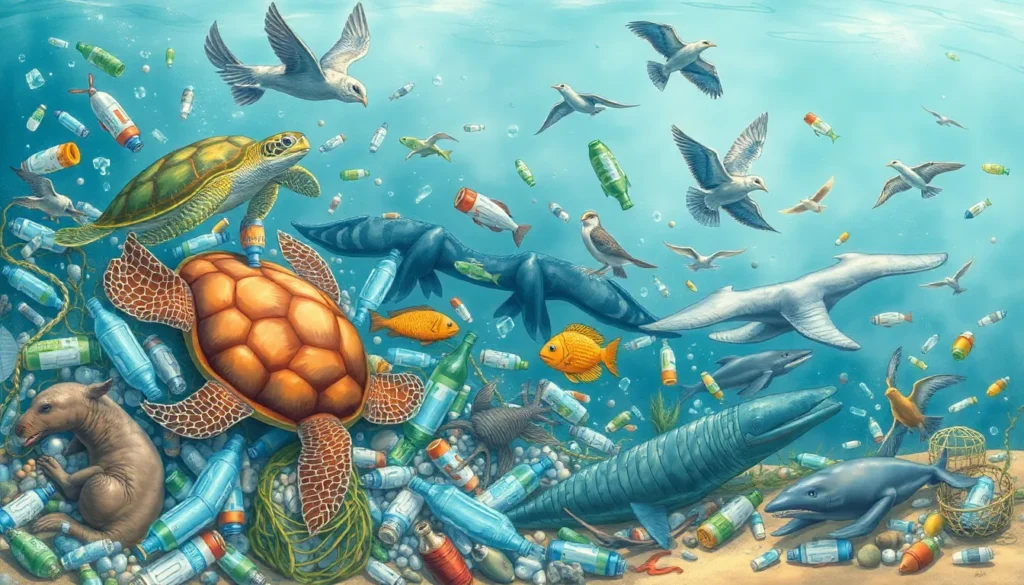
- Ingestion of plastic debris is widespread. Many animal species mistake plastic for food, leading to ingestion that can cause internal injuries, starvation, and death.
- Microplastics enter the food chain. Small plastic particles are consumed by plankton and filter feeders, accumulating through trophic levels and affecting predators including fish, birds, and mammals.
- Entanglement in plastic waste is a major hazard. Animals such as sea turtles, seals, and seabirds often become trapped in discarded fishing nets, six-pack rings, and other plastic debris, restricting movement and causing injury or drowning.
- Plastic pollution affects reproductive success. Exposure to plastic-related chemicals and physical harm can reduce fertility and hatchling survival in various species.
- Seabirds are among the most affected animals. Studies estimate that over 90% of seabirds have plastic in their digestive systems due to widespread pollution in marine environments.
- Coral reefs suffer from plastic debris. Plastic can damage coral by causing physical abrasion and increasing disease risk, threatening reef biodiversity.
- Plastic pollution alters animal behavior. Some animals may avoid polluted areas, while others ingest plastic due to mistaken identity, disrupting natural behaviors like feeding and migration.
- Freshwater species are also impacted. Rivers and lakes accumulate plastic debris, affecting fish, amphibians, and invertebrates critical to freshwater ecosystems.
- Plastic additives can be toxic. Chemicals used in plastics, such as phthalates and bisphenol A, can disrupt endocrine systems in animals.
- Marine mammals ingesting plastic show signs of malnutrition. Blockage and injury from plastic can reduce feeding efficiency and overall health.
- Some species use plastic debris as habitat. Certain fish and invertebrates attach to or shelter in floating plastic, which can alter natural habitat structures.
- Plastic pollution contributes to the spread of invasive species. Floating debris can transport non-native organisms across oceans.
- Plastic waste affects scavenger species. Animals such as crabs and gulls may consume plastic, mistaking it for organic material.
- Animals can suffer from physical injuries caused by sharp plastic fragments. Cuts and abrasions increase infection risk and reduce mobility.
- Plastic pollution impacts endangered species disproportionately. Limited populations are more vulnerable to additional mortality factors like pollution.
- Efforts to reduce plastic pollution can benefit animal populations. Cleanup initiatives and pollution reduction policies have shown positive effects on wildlife health.
- Plastic debris accumulates in remote habitats. Even isolated islands and polar regions are affected by transported plastic waste.
- Birds feed plastic to their chicks. This can lead to malnutrition and low survival rates of offspring.
- Microplastic ingestion can cause cellular damage. Studies indicate microplastics may induce inflammation and oxidative stress in animals.
- Plastic pollution has economic impacts on wildlife tourism. Declines in animal populations can reduce ecotourism revenue and community livelihoods.
- Scientific research on plastic pollution helps inform conservation strategies. Ongoing studies aim to understand the full extent of impacts and develop mitigation measures.
Habitat and Behavior
Animals affected by plastic pollution inhabit diverse environments including oceans, freshwater bodies, coastal regions, and terrestrial habitats near human activity. Marine species such as sea turtles, seabirds, marine mammals, and fish encounter plastic debris that alters their feeding, breeding, and migratory behaviors. Freshwater species similarly face challenges due to accumulated plastic waste in rivers and lakes. Terrestrial animals may ingest or become entangled in land-based plastic litter. Many affected animals rely on clean environments for survival, and plastic pollution disrupts these habitats by introducing harmful materials and chemicals. Behavioral changes include avoidance of polluted areas or increased risk-taking that leads to ingestion or entanglement.
Why This Animal Matters
Animals affected by plastic pollution are integral to ecosystem function, contributing to nutrient cycling, food web dynamics, and habitat maintenance. For example, seabirds serve as indicators of ocean health, while coral reefs support vast marine biodiversity critical for fisheries and coastal protection. The decline of these animals due to plastic pollution has cascading effects on ecological balance and human economies reliant on natural resources. Moreover, many species hold cultural and aesthetic significance for communities worldwide. Conservation efforts aimed at mitigating plastic pollution are essential to preserving biodiversity and ensuring the resilience of ecosystems.
Common Misconceptions
Misconception: Plastic pollution only affects marine animals.
Correction: While marine animals are heavily impacted, plastic pollution also affects freshwater and terrestrial species through ingestion, entanglement, and habitat alteration.
Misconception: Animals can easily digest plastic.
Correction: Most animals cannot digest plastic; ingestion often leads to physical harm, malnutrition, or death.
Misconception: Plastic pollution is a recent problem affecting only a few species.
Correction: Plastic pollution has been increasing since the mid-20th century and now affects thousands of species globally, with long-term ecological consequences.
Misconception: Cleaning up visible plastic is sufficient to solve the problem.
Correction: Microplastics and chemical pollutants require broader policy and behavioral changes alongside cleanup efforts.
Misconception: Wildlife can adapt quickly to plastic pollution.
Correction: Adaptation is limited and slow; many species experience population declines due to pollution stressors.
FAQ
How does plastic pollution affect animals?
Plastic pollution affects animals primarily through ingestion, entanglement, habitat disruption, and exposure to toxic chemicals associated with plastics. These impacts can cause injury, illness, reduced reproductive success, and death.
Which animals are most vulnerable to plastic pollution?
Seabirds, marine mammals, sea turtles, fish, and freshwater species are among the most vulnerable groups due to their feeding behaviors and habitats. Endangered species are particularly at risk due to their limited populations.
Can animals digest plastic?
Most animals cannot digest plastic. Ingested plastic often accumulates in their digestive systems, leading to blockages, reduced nutrient absorption, and physical harm.

Leave a Reply