
Short Answer
21 Facts About Triggerfish Nest Guarding
- Triggerfish are known for their aggressive nest guarding behavior.
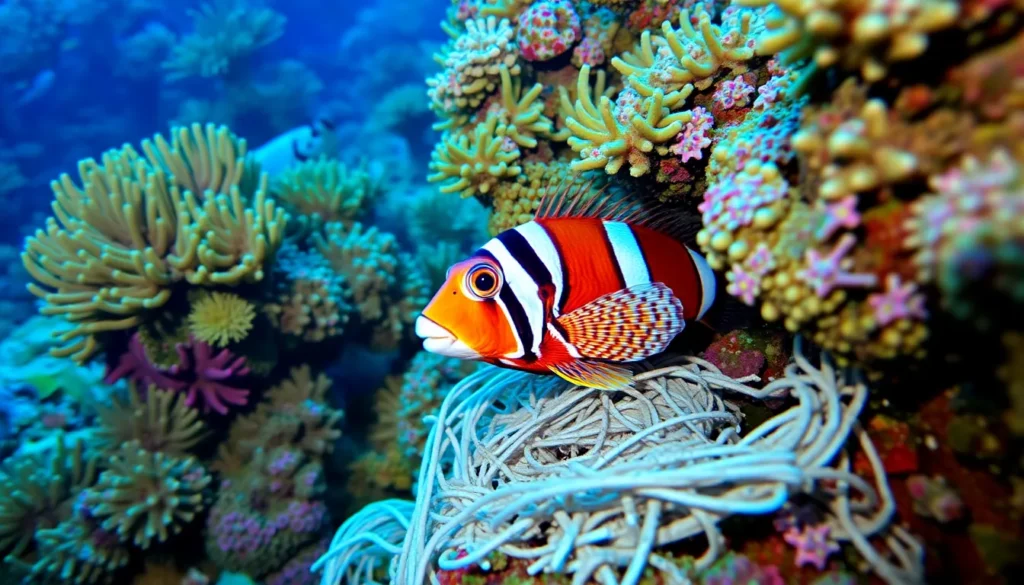
Triggerfish, particularly species such as the Picasso triggerfish, exhibit strong territorial instincts, especially during breeding seasons. They fiercely protect their nests from potential threats, including larger fish and even divers. - They use their powerful jaws for defense.
Triggerfish possess strong, beak-like teeth that allow them to bite potential predators or intruders. This adaptation is crucial for their survival and the protection of their offspring. - Colorful patterns can indicate health and vitality.
During the breeding season, triggerfish display vibrant colors, which may serve as visual signals to attract mates and deter rivals. - Nesting sites are often meticulously prepared.
Triggerfish will clear areas of sand and debris to create a suitable nest for their eggs. This preparation ensures a safer environment for the developing embryos. - They exhibit a unique courtship ritual.
Before laying eggs, triggerfish engage in elaborate courtship behaviors, which may include synchronized swimming and displaying their colors to attract mates. - Eggs are laid in clusters.
Triggerfish typically lay their eggs in clusters, which can number in the hundreds. These clusters are often attached to the substrate to prevent being swept away by currents. - Parental care is primarily the male’s role.
In many species, the male triggerfish assumes the primary responsibility for guarding the nest and defending it from threats, while the female may contribute to nest building. - They can exhibit aggressive behavior towards divers.
Triggerfish are known to defend their nests aggressively, sometimes charging at divers who venture too close, demonstrating their fierce protective instincts. - Triggerfish can reach significant sizes.
Some species of triggerfish can grow to lengths of up to 3 feet (around 90 cm), making them one of the larger fish in their habitat. - They play a role in their ecosystems.
As both prey and predators, triggerfish contribute to the balance of marine ecosystems, influencing the populations of various invertebrates and algae. - Triggerfish can be found in diverse marine environments.
These fish inhabit coral reefs, rocky areas, and sandy bottoms, commonly residing in tropical and subtropical waters. - Coloration can change based on environmental factors.
Stress, health, and environmental conditions can influence the coloration of triggerfish, making them appear more vibrant or dull. - Some species are known to be monogamous.
Certain triggerfish species form long-term pair bonds, raising their offspring together in a shared territory. - They are not typically targeted by commercial fisheries.
While some triggerfish are caught for food, they are not a primary target in commercial fishing, though they may be impacted by bycatch. - Triggerfish can exhibit social behaviors.
Some species are known to form schools outside of breeding seasons, which can offer protection from predators. - They have a unique swimming style.
Triggerfish swim using their dorsal fin, which allows for agile and precise movements, especially in tight spaces around coral reefs. - Tribal knowledge influences triggerfish conservation.
In some cultures, traditional knowledge regarding the nesting habits of triggerfish is passed down through generations, informing sustainable fishing practices. - They have few natural predators.
Due to their size and aggressive behavior, adult triggerfish have few natural predators, although juveniles may be vulnerable to larger fish. - Triggerfish can be found in both shallow and deep waters.
While typically associated with shallow reefs, some species can inhabit deeper waters, extending their range and ecological roles. - Conservation efforts are in place for certain species.
Some triggerfish species are monitored for conservation due to habitat loss and overfishing in specific regions. - They are popular in aquarium trade.
Due to their vibrant colors and interesting behaviors, triggerfish are sought after in the aquarium trade, which raises concerns about sustainable sourcing.
Habitat and Behavior
Triggerfish are predominantly found in warm, tropical, and subtropical waters, typically inhabiting coral reefs, rocky substrates, and sandy bottom environments. They are known to prefer areas with ample shelter and food sources, such as crustaceans and algae. Triggerfish exhibit a range of behaviors, including foraging, nesting, and territoriality, particularly during breeding seasons when they engage in elaborate courtship displays and aggressive nest guarding to protect their eggs from potential threats.
Why This Animal Matters
Triggerfish play a vital ecological role in marine environments, contributing to the health of coral reef ecosystems by controlling algal growth and serving as prey for larger predators. Their behaviors and interactions within their habitats provide insight into the dynamics of marine biodiversity. Additionally, understanding triggerfish nesting and guarding behaviors can inform conservation efforts aimed at preserving coral reef ecosystems, which are increasingly threatened by climate change and human activities.
Common Misconceptions
Triggerfish are harmless and not aggressive.
While they may appear docile, triggerfish can be highly aggressive, especially during nesting periods, and are known to defend their territory vigorously.
All species of triggerfish behave the same way.
There is significant variation in behavior and nesting habits among different species of triggerfish, influenced by their specific environmental conditions and ecological niches.
FAQ
What do triggerfish eat?
Triggerfish primarily feed on crustaceans, mollusks, and algae, utilizing their strong jaws to break open hard-shelled prey.
How do triggerfish protect their nests?
Triggerfish aggressively defend their nests by charging at potential threats and using their strong jaws to bite.
Are triggerfish endangered?
While not all species are endangered, habitat loss and overfishing have raised concerns for certain triggerfish populations.




Leave a Reply