
Short Answer
21 Facts About Mussels
- Mussels are bivalve mollusks. They possess two hinged shells that protect their soft bodies.
- They belong to the family Mytilidae. This family includes many species commonly found in marine and freshwater environments.
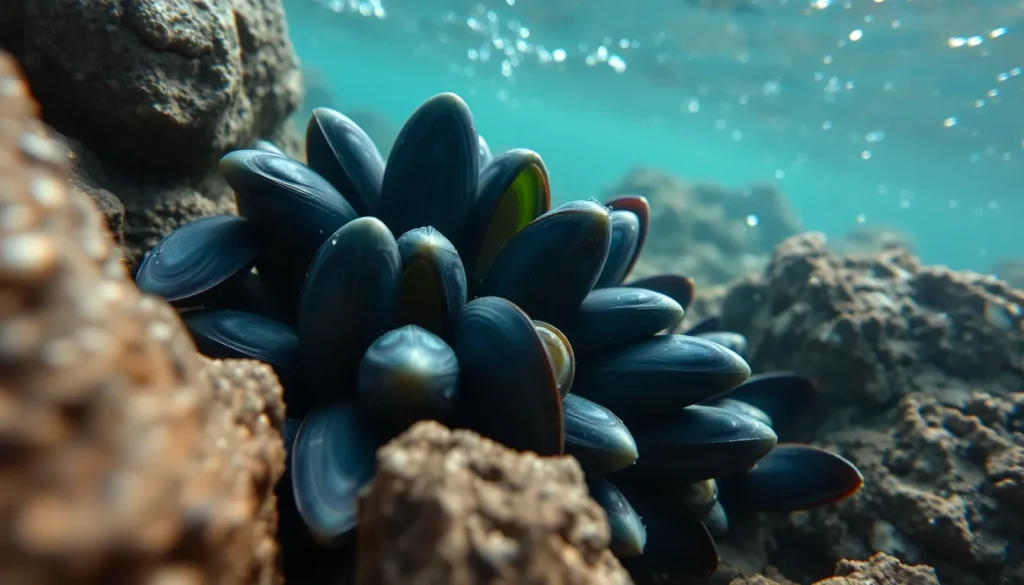
- Mussels have a strong byssus. This is a bundle of filamentous threads they use to attach themselves firmly to rocks and other surfaces.
- They are filter feeders. Mussels filter plankton and organic particles from the water for nutrition.
- They can live in both freshwater and saltwater environments. Some species are adapted to freshwater rivers and lakes, while others inhabit marine coastal areas.
- Mussels play an important role in water purification. By filtering large volumes of water, they help improve water quality and clarity.
- Their shells can live for several years. Some mussels have been known to live up to 10 years or more under favorable conditions.
- Mussels have separate sexes or are hermaphroditic. Reproductive strategies vary among species, with some releasing sperm and eggs directly into the water.
- They have a larval stage called glochidia (in freshwater species). This larval form often temporarily attaches to fish gills before settling down.
- Mussels are an important food source for various animals. Birds, sea stars, and humans consume mussels as part of their diet.
- They are cultivated worldwide for food. Mussel farming is an important aquaculture industry in many coastal regions.
- Mussel shells contribute to coastal ecosystems. Empty shells provide habitat for small marine organisms and help stabilize sediments.
- Mussels can close their shells tightly. This helps them survive in harsh conditions such as exposure to air during low tide.
- Their byssal threads are extremely strong. These natural fibers have inspired biomimetic materials research.
- Mussels have a simple nervous system. They rely on basic sensory input to respond to environmental changes.
- They can tolerate a range of salinities. Some species can survive in brackish water where salt levels fluctuate.
- Mussels can accumulate toxins. Because they filter water, they may concentrate harmful substances, making them indicators of environmental health.
- They have been used as bioindicators. Monitoring mussel health helps assess pollution levels and ecosystem quality.
- Mussels exhibit seasonal reproductive cycles. Spawning times depend on water temperature and food availability.
- The blue mussel (Mytilus edulis) is one of the most studied species. It is common in the North Atlantic and widely harvested for food.
- Mussels have inspired cultural symbolism. They appear in folklore and art, often symbolizing resilience and connection to the sea.
Habitat and Behavior
Mussels inhabit a variety of aquatic environments, ranging from freshwater rivers and lakes to intertidal and subtidal zones in marine ecosystems. They typically attach themselves to hard substrates such as rocks, pier pilings, or shells using their strong byssal threads. This attachment helps them resist waves and predators. Mussels are primarily sedentary filter feeders, drawing in water to extract microscopic plankton and organic particles, which constitute their diet. Their ability to close their shells tightly allows them to withstand periods of low oxygen, exposure to air during low tide, or sudden environmental stress. Freshwater mussels often have complex life cycles involving larvae that temporarily parasitize fish, while marine species generally release free-swimming larvae into the water column.
Why This Animal Matters
Mussels play a vital ecological role in aquatic ecosystems. As filter feeders, they contribute to water purification by removing suspended particles and improving water clarity. Their presence supports biodiversity by creating habitat structures with their dense colonies and empty shells, which shelter various small marine organisms. Economically, mussels are important to aquaculture and fisheries, providing a sustainable source of seafood in many regions. Additionally, because they accumulate environmental toxins, mussels serve as bioindicators, helping scientists monitor pollution and ecosystem health. Conservation efforts for some freshwater mussel species are critical as they face threats from habitat loss, pollution, and invasive species.
Common Misconceptions
Misconception: Mussels are the same as clams.
Correction: While both are bivalve mollusks, mussels and clams differ in shell shape, habitat preference, and attachment methods. Mussels attach to surfaces via byssal threads, whereas clams burrow into sediment.
Misconception: Mussels can be eaten safely anytime.
Correction: Mussels can accumulate harmful toxins or pollutants, especially during algal blooms or in contaminated waters, so it is important to source them from safe, regulated areas.
FAQ
How do mussels attach to rocks?
Mussels use byssal threads, which are strong, silky fibers secreted by a gland in their foot, to anchor themselves securely to rocks and other hard surfaces.
Are mussels safe to eat?
Mussels are safe to eat when harvested from clean waters and properly cooked. However, they can accumulate toxins during algal blooms or from polluted environments, so sourcing from regulated areas is important.
What role do mussels play in their ecosystem?
Mussels filter water, removing plankton and organic particles, which improves water quality. Their colonies provide habitat for other organisms, making them important for ecosystem biodiversity and health.





Leave a Reply