
Short Answer
21 Facts About Animals in Ancient Egyptian Religion
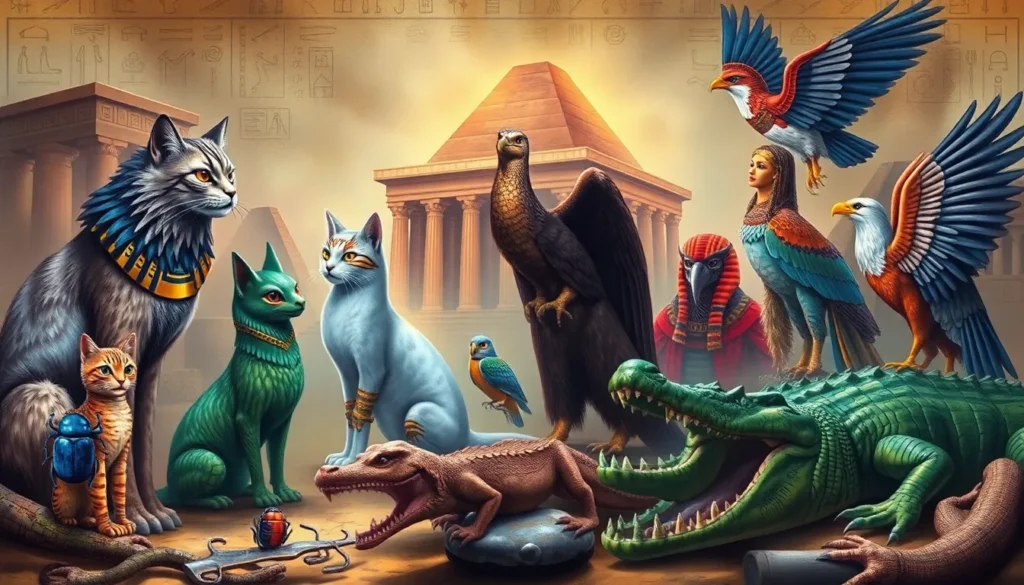
- The Cat as a Sacred Animal: Cats were revered and associated with the goddess Bastet, symbolizing protection, fertility, and domesticity.
- The Scarab Beetle Symbolism: Scarabs represented transformation and rebirth, linked to the god Khepri who was believed to roll the sun across the sky.
- The Ibis and Thoth: The ibis bird was sacred to Thoth, the god of wisdom and writing, symbolizing knowledge and the moon.
- The Crocodile and Sobek: Sobek, the crocodile god, embodied strength and protection, often invoked for fertility and military prowess.
- The Falcon and Horus: Horus, the sky god, was depicted as a falcon or a man with a falcon head, symbolizing kingship and divine protection.
- Jackals and Anubis: The jackal was linked to Anubis, the god of mummification and the afterlife, representing guidance and protection of the dead.
- The Ox and Hathor: The cow was sacred to Hathor, goddess of love, motherhood, and joy, often depicted with cow horns and sun disk.
- The Lion as a Symbol of Power: Lions represented strength and were linked to warrior goddesses such as Sekhmet and Bastet.
- The Cobra and Uraeus: The cobra symbolized royal authority and protection, often seen on pharaohs’ crowns as the Uraeus.
- The Fish and Fertility: Fish were associated with fertility and regeneration, sometimes linked to the Nile’s life-giving properties.
- The Vulture and Nekhbet: The vulture was connected to the goddess Nekhbet, protector of Upper Egypt and the pharaoh.
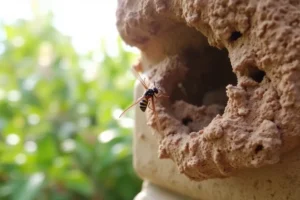
- The Bee and Royalty: Bees symbolized kingship and the unification of Egypt, appearing in royal titles and insignias.
- The Hippopotamus and Protection: Despite their danger, hippopotamuses were linked to protective goddesses such as Taweret, guardian of childbirth.
- The Dog and Loyalty: Dogs represented loyalty and protection; some were buried with their owners and associated with Anubis.
- The Snake and Renewal: Snakes were symbols of renewal and protection, as well as danger, featuring in various religious myths.
- The Beetle Amulets: Scarab amulets were commonly worn for protection and to invoke rebirth in the afterlife.
- The Role of Animals in Temples: Many temples housed sacred animals that were cared for as living embodiments of gods.
- Animal Mummification: Animals were mummified and buried as offerings or manifestations of deities.
- The Symbolism of Animal Eyes: The Eye of Horus, often depicted as a falcon eye, symbolized protection, health, and restoration.
- The Influence on Art and Hieroglyphs: Animals were extensively depicted in art and hieroglyphs to convey religious and cultural meanings.
- The Myth of the Bennu Bird: The Bennu bird, resembling a heron, was connected to creation and the sun, influencing later phoenix myths.
Habitat and Behavior
The animals held sacred in ancient Egyptian religion were often native to the Nile River valley and surrounding deserts. Cats, jackals, and crocodiles inhabited areas close to human settlements, while birds like the ibis and falcon frequented riverbanks and skies. Many of these animals adapted to the Nile’s seasonal flooding, which was central to Egyptian agriculture and life. Their behaviors, such as the nocturnal habits of jackals or the sun-tracking daily movements of scarab beetles, inspired symbolic interpretations. Sacred animals were sometimes domesticated or kept in temple precincts, reflecting their integral role in religious rituals and beliefs.
Why This Animal Matters
Animals in ancient Egyptian religion served as physical and symbolic links between the human and divine worlds. They were seen as manifestations or companions of gods, embodying divine attributes such as power, wisdom, fertility, and protection. This connection influenced Egyptian art, mythology, and daily practices, underscoring the natural world’s sacredness. Ecologically, many of these animals were integral to the Nile ecosystem, supporting biodiversity and agriculture. Culturally, the reverence for animals reflected Egyptians’ worldview that life was interconnected and cyclical, a notion still studied in historical and religious scholarship.
Common Misconceptions
Misconception: Ancient Egyptians worshipped animals themselves.
Correction: While animals were venerated, they were primarily seen as symbols or incarnations of gods, not objects of worship in isolation.
Misconception: All sacred animals were treated kindly.
Correction: Although many animals were cared for, some, like dangerous crocodiles, were feared and controlled carefully despite their religious significance.
Misconception: Animal mummification was merely a form of pet burial.
Correction: Animal mummification was a ritual practice meant to honor deities and secure divine favor, not just to bury pets.
FAQ
Why were animals important in ancient Egyptian religion?
Animals symbolized divine qualities and were believed to be earthly manifestations of gods, playing a key role in rituals, mythology, and iconography.
Did ancient Egyptians worship animals directly?
No, animals were revered as sacred representations or companions of deities, not worshipped as gods themselves.
How were sacred animals treated in ancient Egypt?
Many sacred animals were cared for in temples and sometimes mummified as offerings to gods or symbols of divine power.

Leave a Reply