
Short Answer
21 Facts About Lice
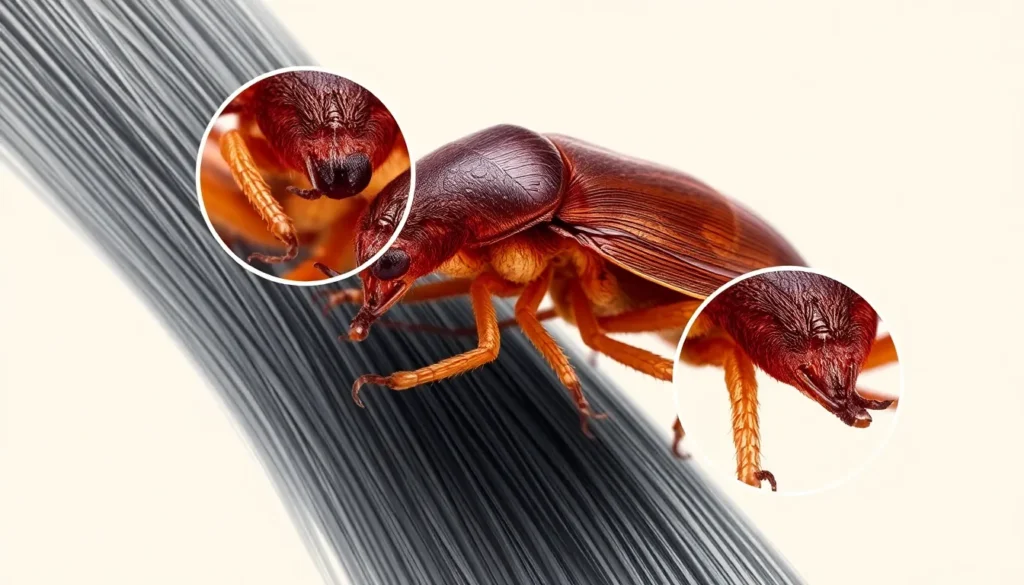
- Lice are wingless insects. They belong to the order Phthiraptera and have evolved without wings, relying on crawling to move between hosts.
- There are over 5,000 known species of lice. These species parasitize birds and mammals worldwide, each adapted to specific hosts.
- Lice are obligate parasites. They cannot survive long without a host as they depend on blood or skin debris for nutrition.
- Human lice species include head lice, body lice, and pubic lice. Each type occupies different regions of the human body and has distinct behaviors.
- Lice have specialized claws to grasp hair shafts. This adaptation helps them cling tightly to their host, preventing easy removal.
- Lice eggs are called nits. They attach firmly to hair or feathers and hatch after several days.
- Adult lice are small, typically 2–4 millimeters long. Their size varies slightly depending on species and host.
- Lice move by crawling, not jumping or flying. They spread primarily through direct contact between hosts.
- Body lice can transmit diseases. Unlike head and pubic lice, body lice are known vectors of illnesses such as typhus and trench fever.
- Head lice infestations are common worldwide, especially among children. They are not considered dangerous but can cause itching and discomfort.
- Lice have a relatively short life cycle. From egg to adult typically takes about three weeks, depending on environmental conditions.
- Lice saliva contains anticoagulants. These substances help them feed on blood by preventing clotting at the bite site.
- Lice can develop resistance to chemical treatments. This has made managing infestations more challenging over time.
- Lice do not jump or fly, so transmission requires close contact. Sharing hats, combs, or bedding can facilitate spread.
- Head lice infestations are not related to poor hygiene. They can affect anyone regardless of cleanliness.
- Body lice live in clothing and bedding, moving to the skin only to feed. This behavior distinguishes them from head and pubic lice.
- Pubic lice, often called “crab lice,” infest coarse body hair. They are primarily transmitted through sexual contact.
- Lice infestations have been documented throughout human history. Archaeological findings include lice remains on ancient hair and clothing.
- Lice have symbiotic bacteria. These bacteria provide essential nutrients that lice cannot obtain from blood alone.
- Lice infestations can cause secondary infections. Intense scratching may lead to skin irritation or bacterial infection.
- Lice have been subjects of scientific and medical research. Studies focus on their biology, control methods, and role in disease transmission.
Habitat and Behavior
Lice are ectoparasites that live exclusively on the bodies of their hosts, which include mammals and birds. They inhabit specific regions such as hair, feathers, or clothing, depending on their species. Lice survive by feeding on blood, skin debris, or sebaceous secretions. Their behavior is closely tied to their survival strategy; they move by crawling and rely on direct contact between hosts to transfer. Lice avoid leaving their hosts for extended periods as they are vulnerable to desiccation and starvation off-host. Some lice species, like body lice, take refuge in clothing fibers and only move to the skin to feed. Their life cycles include egg (nit), nymph, and adult stages, all occurring on or near the host. Environmental factors such as temperature and humidity influence their development and reproduction rates.
Why This Animal Matters
Lice have ecological significance as specialized parasites that affect the health and behavior of their hosts. By feeding on blood or skin, they can influence host fitness, sometimes causing irritation or disease. Body lice are medically important as vectors of human diseases, including epidemic typhus, relapsing fever, and trench fever, particularly in crowded or unhygienic conditions. Additionally, lice infestations have social and economic impacts, especially in schools and communities where outbreaks occur. From a scientific perspective, lice provide models for studying host-parasite coevolution, insect physiology, and resistance to treatments. Understanding lice biology also contributes to public health efforts aimed at controlling infestations and preventing disease transmission.
Common Misconceptions
Misconception: Lice only infest dirty or unclean people.
Correction: Lice infestations can affect anyone regardless of hygiene or cleanliness. They spread mainly through close contact, not poor sanitation.

Misconception: Lice can jump or fly from one person to another.
Correction: Lice cannot jump or fly; they crawl and require direct contact or sharing personal items to move between hosts.
Misconception: Lice infestations always cause serious diseases.
Correction: While body lice can transmit diseases, head and pubic lice typically cause discomfort and itching but are not disease vectors.
Misconception: Pets can transmit human lice.
Correction: Human lice are host-specific and typically do not infest pets, which have their own species of lice.
FAQ
How do lice spread from person to person?
Lice spread primarily through direct head-to-head contact or by sharing personal items such as combs, hats, or bedding that have been in contact with an infested person.
Can lice infestations be prevented?
Preventing lice infestations involves avoiding close contact with infested individuals and not sharing personal items. Regular inspection and prompt treatment can also help control spread.
Are lice dangerous to humans?
Most lice, such as head and pubic lice, cause discomfort but are not dangerous. However, body lice can transmit serious diseases under certain conditions, especially in crowded or unhygienic environments.


Leave a Reply