
Short Answer
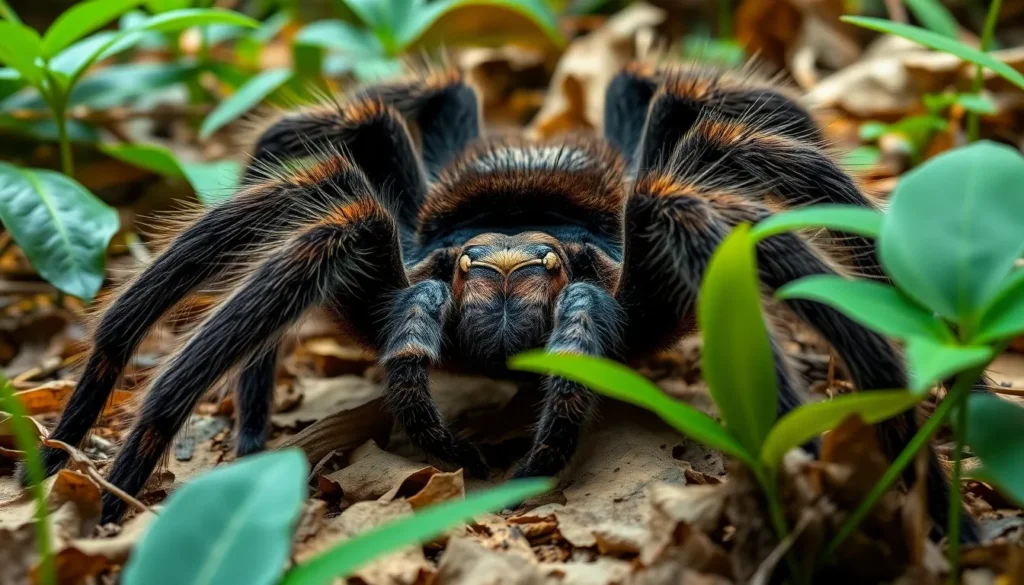
21 Facts About Goliath Birdeater
- Largest Tarantula by Mass: The Goliath birdeater (Theraphosa blondi) is considered the largest tarantula in the world by mass, with some individuals weighing over 170 grams.
- Impressive Leg Span: Its leg span can reach up to 30 centimeters (12 inches), making it one of the largest spiders in terms of size.
- Not Primarily a Bird-Eater: Despite its name, the Goliath birdeater rarely preys on birds and mainly eats insects, small rodents, frogs, and other small animals.
- Native to South America: This species is found mainly in the rainforests of northern South America, including countries such as Brazil, Venezuela, and Suriname.
- Thick, Hairy Body: Its body is covered in dense hairs, which serve multiple purposes including defense and sensory input.
- Defensive Hairs: The Goliath birdeater possesses urticating hairs that it can flick at predators, causing irritation to skin and mucous membranes.
- Powerful Fangs: Its fangs can measure up to 2.5 centimeters (1 inch) and are capable of delivering venom to subdue prey.
- Venom is Mild to Humans: While venomous, its bite is generally not dangerous to humans but can cause localized pain and swelling.
- Nocturnal Hunter: This spider is primarily active at night when it hunts for food.
- Ground-Dwelling Species: It lives on the forest floor, often hiding in burrows or under logs and leaf litter.
- Molting Process: Like other spiders, the Goliath birdeater molts its exoskeleton periodically to grow.
- Relatively Slow Movement: Despite its size, it moves slowly but can charge quickly if threatened.
- Long Lifespan: Female Goliath birdeaters can live up to 15 years or more, while males have shorter lifespans.
- Reproductive Behavior: Females lay eggs in silk sacs, which they guard until spiderlings hatch.
- Important Ecological Role: As a predator, it helps control populations of insects and small animals in its environment.
- Adapted to Humid Rainforest Climate: Its physiology is suited to the tropical, humid conditions of the rainforest floor.
- Limited Aggression: Generally, it avoids confrontation but will defend itself if provoked.
- Use of Vibrations: It relies heavily on sensing vibrations through the ground to detect prey and threats.
- Rarely Kept as Pets: Although sometimes kept by enthusiasts, its large size and defensive behavior make it a challenging pet.
- Conservation Status: Currently, the Goliath birdeater is not listed as endangered, but habitat loss could impact populations.
- Scientific Interest: Its large size and unique behaviors make it a subject of study in arachnology.
Habitat and Behavior
The Goliath birdeater inhabits the tropical rainforests of northern South America, where the environment is warm, humid, and densely vegetated. It typically resides on the forest floor, residing in burrows or natural shelters such as hollow logs and under leaf litter. This species is nocturnal, emerging at night to hunt a variety of prey, including insects, amphibians, and small mammals. It relies on sensory hairs to detect vibrations and movements around it, enabling it to locate prey or potential threats. Although capable of quick bursts of speed, the Goliath birdeater usually moves slowly and prefers to avoid confrontation. When threatened, it may display defensive behaviors such as rearing up to show its fangs and releasing urticating hairs to deter predators.
Why This Animal Matters
The Goliath birdeater plays a vital role in its ecosystem as a predator controlling insect and small vertebrate populations, thus contributing to the balance of the rainforest floor environment. Its presence indicates a healthy habitat, as it requires specific conditions to thrive. Culturally, the spider has drawn fascination due to its remarkable size and has been featured in documentaries and scientific research. Although not currently endangered, its habitat is subject to deforestation and environmental changes, making its conservation an indirect indicator of rainforest health. Moreover, studying this species helps scientists understand arachnid physiology, behavior, and evolutionary adaptations.
Common Misconceptions
Misconception: The Goliath birdeater regularly preys on birds.
Correction: Despite its name, this tarantula rarely eats birds. Its diet mostly consists of insects, amphibians, and small mammals.

Misconception: The bite of the Goliath birdeater is deadly to humans.
Correction: While its bite can be painful and cause localized swelling, it is generally not dangerous to humans.
Misconception: The Goliath birdeater is aggressive and frequently attacks humans.
Correction: This spider is generally shy and prefers to flee or use defensive mechanisms rather than attack.
Misconception: The Goliath birdeater can jump long distances.
Correction: Despite its size, this tarantula does not jump but relies on slow, deliberate movement and sudden lunges if threatened.
FAQ
Is the Goliath birdeater dangerous to humans?
The Goliath birdeater's venom is generally mild and not harmful to humans. While a bite can be painful and cause swelling, it is rarely serious.
Why is it called the 'birdeater' if it rarely eats birds?
The name comes from early reports and its large size, which suggested it might prey on birds. However, birds are not a common part of its diet.
How does the Goliath birdeater defend itself?
It uses urticating hairs that can irritate the skin and mucous membranes of predators, as well as a venomous bite and threatening postures to deter threats.





Leave a Reply