
Short Answer
21 Facts About Archerfish
- Unique Hunting Method
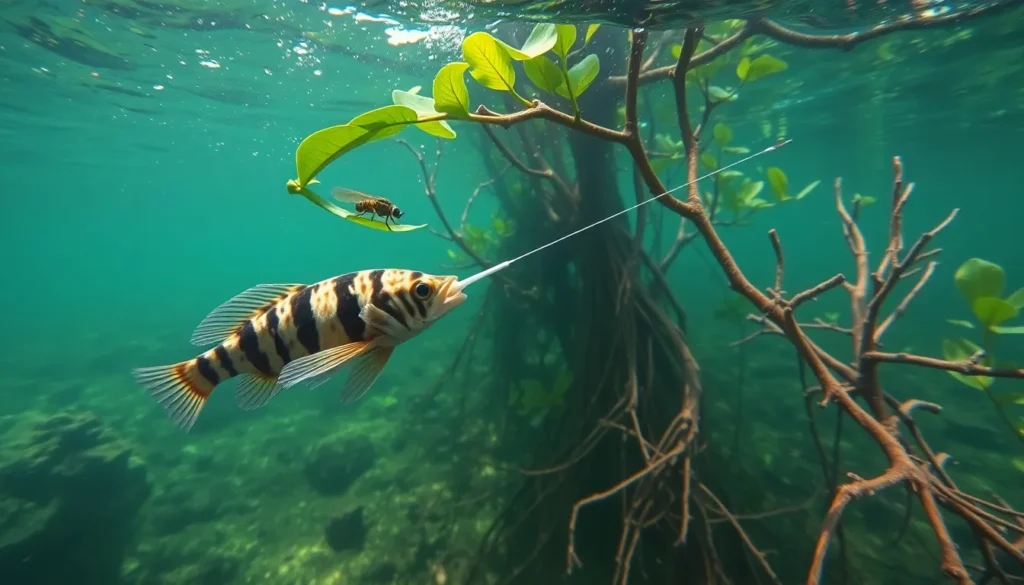
Archerfish are renowned for their ability to shoot accurately aimed jets of water to knock down insects and other prey resting on plants above the water surface. - Water Jet Precision
They can adjust the force and angle of their spit to hit targets up to several feet away with remarkable accuracy. - Complex Visual Processing
Archerfish compensate for light refraction at the air-water interface, enabling them to accurately target prey despite optical distortions. - Multiple Species
There are about nine known species of archerfish, belonging to the family Toxotidae. - Habitat Range
They primarily inhabit mangroves, estuaries, and freshwater rivers in Southeast Asia, Australia, and the Pacific Islands. - Behavioral Learning
Archerfish are capable of learning and improving their shooting skills through experience. - Group Hunting
Some species hunt in groups, which can increase the success rate of capturing prey. - Diet Diversity
Besides insects, their diet can include small crustaceans and plant matter occasionally. - Physical Appearance
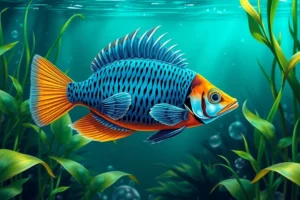
They typically have a laterally compressed body with silvery scales and a distinct dark band or spots depending on the species. - Eye Structure
Archerfish eyes are adapted for accurate targeting both above and below the water surface. - Reproduction
They lay eggs in freshwater, with some species showing parental care behaviors. - Size Range
Most archerfish species grow to about 6 to 12 inches (15 to 30 cm) in length. - Water Shooting Mechanism
They form a tube with their tongue and roof of the mouth to shoot water with force. - Environmental Adaptations
Archerfish can survive in both fresh and brackish water environments. - Predators
Natural predators include larger fish, birds, and reptiles. - Role in Ecosystem
They help control insect populations and serve as prey for higher predators. - Scientific Interest
Archerfish are subjects in studies on animal cognition, vision, and biomechanics. - Longevity
In the wild, archerfish can live for around 7 to 10 years. - Social Behavior
They can be both solitary and social depending on species and environmental conditions. - Conservation Status
Most species are not currently endangered but local habitat destruction poses risks. - Cultural Impact
Archerfish have inspired various cultural references due to their unusual hunting strategy.
Habitat and Behavior
Archerfish are predominantly found in mangrove swamps, estuaries, and slow-moving freshwater rivers across Southeast Asia, Australia, and some Pacific islands. They thrive in brackish to freshwater environments where overhanging vegetation provides hunting grounds. Behaviorally, they exhibit remarkable predatory skills, shooting jets of water to dislodge insects and other prey. This requires complex visual processing to overcome distortions caused by the water surface. Archerfish are known to learn and refine their shooting accuracy through practice and can hunt both alone and in groups. Their diet primarily consists of insects, but they may consume crustaceans and occasionally plant material. Reproduction involves egg-laying in freshwater, with some species showing parental care. Their ability to adapt to varying salinities allows them to exploit diverse habitats, although habitat degradation remains a threat in some regions.
Why This Animal Matters
Archerfish play an important ecological role by helping to control insect populations near aquatic environments, which can influence the balance of local ecosystems. They serve as prey for larger predators, thus contributing to the food web in their habitats. Their unique hunting technique has attracted scientific interest, offering insights into animal cognition, vision, and biomechanics. This has implications for understanding sensory integration and motor control in animals. Additionally, archerfish hold cultural significance in some regions due to their distinctive behavior, inspiring folklore and educational interest. While not currently endangered, the conservation of their natural habitats is important to maintain biodiversity and ecological health.
Common Misconceptions
Misconception: Archerfish can shoot water jets indefinitely without needing to rest.
Correction: Archerfish require time to refill their mouths with water and aim carefully for each shot, so they cannot continuously shoot without pauses.

Misconception: Archerfish only live in freshwater.
Correction: While many species inhabit freshwater, several archerfish species are adapted to brackish environments such as mangroves and estuaries.
Misconception: Archerfish shoot water to kill their prey instantly.
Correction: The water jets usually knock prey off plants into the water, where the archerfish then captures and consumes them; the initial shot is primarily to dislodge, not kill.
Misconception: Archerfish rely solely on instinct to aim their water jets.
Correction: Studies suggest that archerfish learn and improve their aiming through experience, demonstrating a degree of cognitive ability.
FAQ
How do archerfish shoot water to catch prey?
Archerfish form a tube with their tongue and the roof of their mouth, then forcefully expel water through this tube to create a jet that can knock insects off plants above the water surface.
Where are archerfish commonly found?
They inhabit mangrove swamps, estuaries, and slow-moving freshwater rivers primarily in Southeast Asia, Australia, and some Pacific Islands.
Do archerfish kill their prey with water jets?
No, the water jet typically dislodges the prey, which then falls into the water where the archerfish can capture and consume it.

Leave a Reply