
Short Answer
21 Facts About Catfish
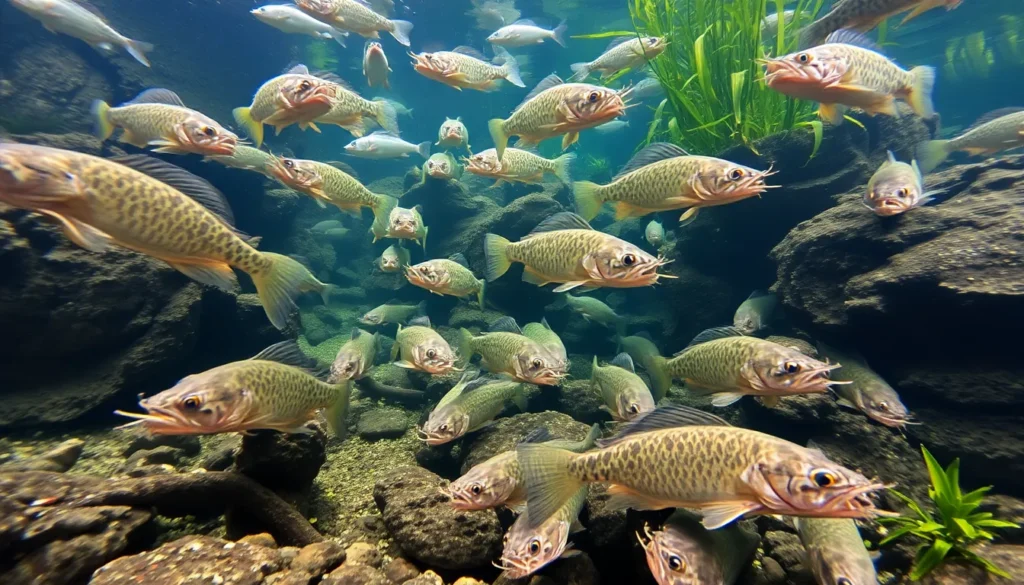
- Diverse Group: Catfish belong to the order Siluriformes, which includes about 3,000 species worldwide, making them one of the most diverse groups of fish.
- Barbels: Catfish are named for their prominent barbels that resemble a cat’s whiskers, which help them sense food in murky waters.
- Habitat Range: Most catfish species live in freshwater, but some, like the Ariidae family, inhabit brackish or marine environments.
- Global Distribution: Catfish are found on every continent except Antarctica, with the highest diversity in South America, Africa, and Asia.
- Size Variation: Catfish species range in size from small species measuring just a few centimeters to the Mekong giant catfish, which can grow over 3 meters long and weigh hundreds of kilograms.
- Nocturnal Feeders: Many catfish are primarily nocturnal, feeding at night using their barbels to detect prey.
- Diet: Catfish diets vary widely and can include insects, smaller fish, algae, detritus, and even other catfish.
- Breathing Adaptations: Some catfish species can breathe air using specialized structures, allowing them to survive in low-oxygen environments.
- Spines for Defense: Many catfish have sharp spines on their dorsal and pectoral fins that can deliver painful stings or toxins to predators.
- Vocalizations: Certain catfish can produce sounds by rubbing body parts together, often used for communication and defense.
- Electric Catfish: Some species, like those in the family Malapteruridae, can generate electric shocks to stun prey or deter predators.
- Reproduction: Catfish exhibit diverse reproductive strategies, including nest building, mouthbrooding, and guarding of eggs by males or females.
- Catfish Farming: Several species are farmed globally for food due to their fast growth and adaptability to aquaculture.
- Ecological Role: Catfish often serve as bottom feeders, helping to clean aquatic environments by consuming detritus and dead matter.
- Cultural Significance: In many cultures, catfish are important both as a food source and in folklore or traditional medicine.
- Longevity: Some catfish species can live for several decades under natural conditions.
- Adaptability: Catfish can survive in a variety of water conditions, including turbid, low-oxygen, and variable pH environments.
- Predators: Catfish are preyed upon by larger fish, birds, reptiles, and humans.
- Invasive Species: Certain catfish species introduced outside their native range have become invasive, impacting local ecosystems.
- Sensory Systems: Besides barbels, catfish have well-developed lateral lines that detect water movements, aiding in navigation and hunting.
- Ancient Lineage: Fossil records indicate that catfish have existed for at least 60 million years, showing their long evolutionary history.
Habitat and Behavior
Catfish inhabit a wide range of aquatic environments, primarily freshwater rivers, lakes, and ponds, but some species are adapted to brackish and marine conditions. They typically favor habitats with muddy or sandy bottoms where they can forage effectively. Many catfish are nocturnal or crepuscular, using their sensitive barbels to detect food in low-light or murky waters. Their behavior varies by species; some are solitary while others form schools or groups. Catfish often use their spines defensively and may produce sounds for communication. Reproductive behaviors include building nests or guarding eggs, with some species exhibiting parental care. Their ability to breathe air in certain species allows survival in oxygen-poor water, enhancing their adaptability.
Why This Animal Matters
Catfish play significant ecological roles as bottom feeders, contributing to nutrient recycling and maintaining water quality by consuming organic debris and dead organisms. They are an important food source for many predators and humans alike. Economically, catfish farming supports aquaculture industries worldwide, providing affordable protein. Culturally, catfish have symbolic meanings in various societies and appear in folklore and traditional practices. Some species are indicators of environmental health, and their presence or absence can reflect ecosystem changes. Additionally, understanding catfish biology aids in managing invasive species and conserving native populations.
Common Misconceptions
Misconception: All catfish are dangerous because of their spines.
Correction: While many catfish have sharp spines that can cause injury, not all species are harmful to humans, and most are non-aggressive unless provoked.

Misconception: Catfish are only bottom feeders that eat trash.
Correction: Catfish have diverse diets that include insects, smaller fish, plant matter, and detritus, playing a complex role in their ecosystems.
FAQ
What do catfish eat?
Catfish have varied diets depending on species, including insects, smaller fish, plant material, algae, and detritus. Many are opportunistic feeders that scavenge along the bottom of water bodies.
Are all catfish harmful to humans?
No, while many catfish have sharp spines that can cause injury if handled improperly, most catfish are not aggressive toward humans and only use their spines defensively when threatened.
Can catfish survive out of water?
Some catfish species possess adaptations that allow them to breathe air and survive for short periods out of water, especially in low-oxygen environments, but most require aquatic habitats to survive long term.


Leave a Reply