
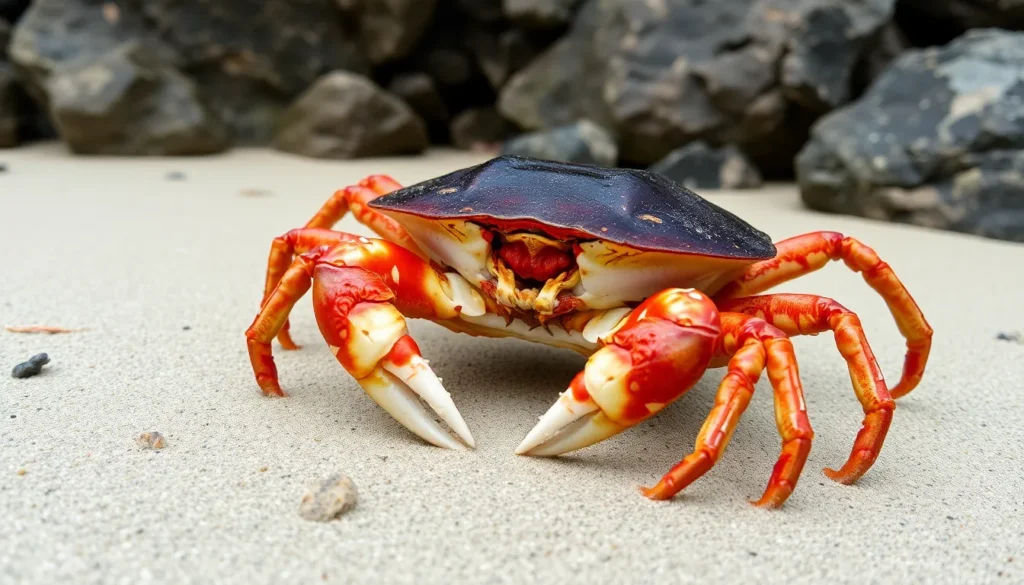
Short Answer
21 Facts About Dungeness Crabs
- Scientific Classification: The Dungeness crab’s scientific name is Metacarcinus magister, and it belongs to the family Cancridae.
- Geographic Range: They are primarily found along the Pacific coast of North America, from Alaska down to California.
- Common Name Origin: The name “Dungeness” comes from the Dungeness Spit in Washington State, where the crab was first heavily fished.
- Size and Weight: Adult Dungeness crabs typically measure 6 to 9 inches across the carapace and can weigh up to 2.5 pounds.
- Coloration: Their shell usually ranges from purple-brown to reddish-brown with white-tipped claws.
- Molting Process: Like other crabs, Dungeness crabs molt their exoskeleton to grow, a process that can leave them vulnerable to predators.
- Diet: They are omnivorous scavengers, feeding on small fish, clams, worms, and detritus.
- Lifespan: These crabs typically live up to 8 to 13 years in the wild.
- Sexual Dimorphism: Males are generally larger and have a wider carapace than females.
- Reproduction: Females carry fertilized eggs under their abdomen until larvae hatch and enter the planktonic stage.
- Larval Development: The larvae go through several planktonic stages before settling to the ocean floor as juvenile crabs.
- Habitat Preference: They favor sandy or muddy bottoms in shallow coastal waters, estuaries, and bays.
- Behavior: Dungeness crabs are mostly nocturnal and tend to hide under rocks or in burrows during the day.
- Predators: Their main predators include sea otters, octopuses, fish, and humans.
- Commercial Importance: They are among the most economically valuable crab species on the West Coast fisheries.
- Fishing Season: The commercial and recreational harvest season varies by state but typically occurs in late fall to early winter.
- Sustainability: Regulations such as size limits and catch quotas help maintain healthy populations.
- Ecological Role: As scavengers, they contribute to the ocean floor’s nutrient recycling and help control populations of prey species.
- Adaptations: Their strong claws assist in both defense and breaking prey shells.
- Temperature Sensitivity: Dungeness crabs are sensitive to water temperature changes, which can affect their distribution and reproductive cycles.
- Indicator Species: Due to their sensitivity to environmental changes, they can serve as indicators of marine ecosystem health.
Habitat and Behavior
Dungeness crabs inhabit coastal and estuarine environments along the Pacific coast of North America. They prefer sandy or muddy substrates where they can easily burrow and find food. Typically found in shallow waters, they often move to deeper waters during colder months. Behaviorally, they are primarily nocturnal, emerging at night to forage for food, which includes a wide range of invertebrates and detritus. Their molting phase, necessary for growth, leaves them vulnerable to predators, resulting in behavioral adaptations such as hiding under rocks or burying themselves in sediment. Social interactions among Dungeness crabs are generally limited to mating and territorial disputes, with males often exhibiting aggressive behavior to defend their space.
Why This Animal Matters
Dungeness crabs play an important ecological role as scavengers, helping to recycle nutrients within marine ecosystems. Their feeding habits contribute to the control of benthic invertebrate populations, thus maintaining ecological balance. Economically, they support commercial and recreational fisheries that are vital to coastal communities along the West Coast. The species also holds cultural significance for Indigenous peoples and local communities, featuring in traditional diets and practices. From a conservation perspective, Dungeness crabs serve as a bioindicator species, reflecting changes in marine environmental conditions such as water quality and temperature fluctuations. Sustainable management of their populations is essential to preserve both ecological integrity and economic benefits.
Common Misconceptions
Misconception: Dungeness crabs can regenerate lost limbs quickly.
Correction: While Dungeness crabs can regenerate limbs, the process is slow and typically occurs over several molting cycles, not rapidly.
Misconception: All crabs called “Dungeness” are the same everywhere.
Correction: The term “Dungeness crab” specifically refers to Metacarcinus magister, which is native to the Pacific coast; similar crabs in other regions are different species.
Misconception: Dungeness crabs are aggressive toward humans.
Correction: These crabs generally avoid humans and only use their claws defensively when threatened.
Misconception: Dungeness crabs are only found in cold waters.
Correction: While they prefer cooler coastal waters, Dungeness crabs inhabit a range of temperate environments along the West Coast, including relatively warmer areas in California.
Misconception: The size of the crab directly indicates its age.
Correction: Size can be influenced by molting frequency and environmental factors, so it is not a precise indicator of age.
FAQ
What is the best time to catch Dungeness crabs?
The commercial and recreational fishing seasons for Dungeness crabs typically occur from late fall through early winter, varying by state regulations to protect breeding populations.
How can you tell the difference between male and female Dungeness crabs?
Male Dungeness crabs generally have a wider, more triangular-shaped abdomen, while females have a broader, rounded abdomen. Males are also usually larger in size.
Are Dungeness crabs safe to eat?
Yes, Dungeness crabs are widely considered safe and are a popular seafood choice. It is important to source them from regulated fisheries to ensure sustainability and food safety.



Leave a Reply