

Short Answer
21 Facts About Megamouth Shark
- Rarity of Sightings
The megamouth shark (Megachasma pelagios) is one of the rarest shark species, with fewer than 100 confirmed sightings since its discovery in 1976. - Unique Feeding Mechanism
This shark is a filter feeder, utilizing its large mouth to scoop up plankton and small fish, which it filters through its gill rakers. - Size Variation
Megamouth sharks can grow up to 5.5 meters (18 feet) in length, making them one of the largest shark species. - Deep Water Habitat
They are primarily found in deep ocean waters, often at depths greater than 1,000 meters (3,280 feet), although they can be seen closer to the surface. - Global Distribution
Megamouth sharks have been spotted in tropical and subtropical waters across the globe, including the Pacific, Atlantic, and Indian Oceans. - Slow Reproduction
This species has a slow reproductive rate, with females likely giving birth to only a few pups every few years. - Unique Appearance
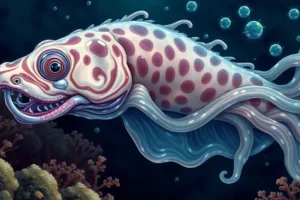
Characterized by their large, elongated mouths and bulbous heads, they have a distinctive appearance that sets them apart from other sharks. - Behavioral Patterns
Megamouth sharks are generally solitary creatures, though they may congregate in certain areas with abundant food sources. - Bioluminescent Organism Interaction
These sharks have been known to interact with bioluminescent organisms, which may help attract prey in dark waters. - Low Threat to Humans
Despite their size, megamouth sharks pose little threat to humans, primarily due to their diet consisting of small organisms. - Conservation Status
They are classified as Data Deficient by the IUCN, meaning there is insufficient information to assess their population trends accurately. - Historical Discoveries
The first specimen was discovered off the coast of Hawaii, and since then, they have been found in various locations worldwide. - Skin Texture
Their skin is thick and rough, covered with dermal denticles, which are tiny, tooth-like structures that help reduce drag while swimming. - Feeding Behavior
Megamouths often swim with their mouths wide open to filter feed, moving through the water at a slow pace. - Migratory Patterns
While not fully understood, it is believed that megamouth sharks undertake migrations in search of food. - Adaptations to Deep Water
They possess adaptations that allow them to thrive in deep-sea environments, including specialized gills for efficient feeding. - Temperature Preferences
Megamouth sharks prefer warmer waters, which influences their distribution and feeding behaviors. - Research Challenges
Due to their rarity and elusive nature, studying megamouth sharks poses significant challenges for marine biologists. - Potential for Discovery
As more of the ocean is explored, there is potential for more sightings and discoveries regarding their behavior and population. - Role in Ecosystem
As filter feeders, they play a role in regulating plankton populations and maintaining marine ecosystem health. - Fossil Record
Fossils of related species date back to the late Eocene, indicating a long evolutionary history.
Habitat and Behavior
Megamouth sharks inhabit deep ocean waters, primarily in tropical and subtropical regions. They are known to inhabit depths greater than 1,000 meters (3,280 feet), where they utilize their expansive mouths to filter-feed on plankton and small fish. Their behavior includes slow swimming and solitary foraging, although they may gather in areas with abundant food resources. Migratory patterns remain poorly understood, but they likely move in search of optimal feeding conditions.
Why This Animal Matters
The megamouth shark plays a crucial role in marine ecosystems as a filter feeder, helping to regulate plankton populations. Their presence indicates a healthy marine environment. Furthermore, their rarity and unique adaptations make them a subject of scientific interest, contributing to our understanding of marine biodiversity and the effects of environmental changes on oceanic species. Conservation efforts are essential to ensure their protection, given their data-deficient status.
Common Misconceptions
Megamouth sharks are aggressive and pose a danger to humans.
They are gentle filter feeders and pose little to no threat to humans.
Megamouth sharks are frequently seen and well-studied.
They are extremely rare, with fewer than 100 confirmed sightings since their discovery.
FAQ
What is the megamouth shark's diet?
The megamouth shark is a filter feeder, primarily consuming plankton and small fish.
Where can megamouth sharks be found?
They inhabit tropical and subtropical waters, typically at depths greater than 1,000 meters.
Are megamouth sharks dangerous to humans?
No, they pose little to no threat to humans as they primarily feed on small organisms.





Leave a Reply