
Short Answer
21 Facts About White-tailed Deer
- Scientific Name: The white-tailed deer is scientifically known as Odocoileus virginianus.
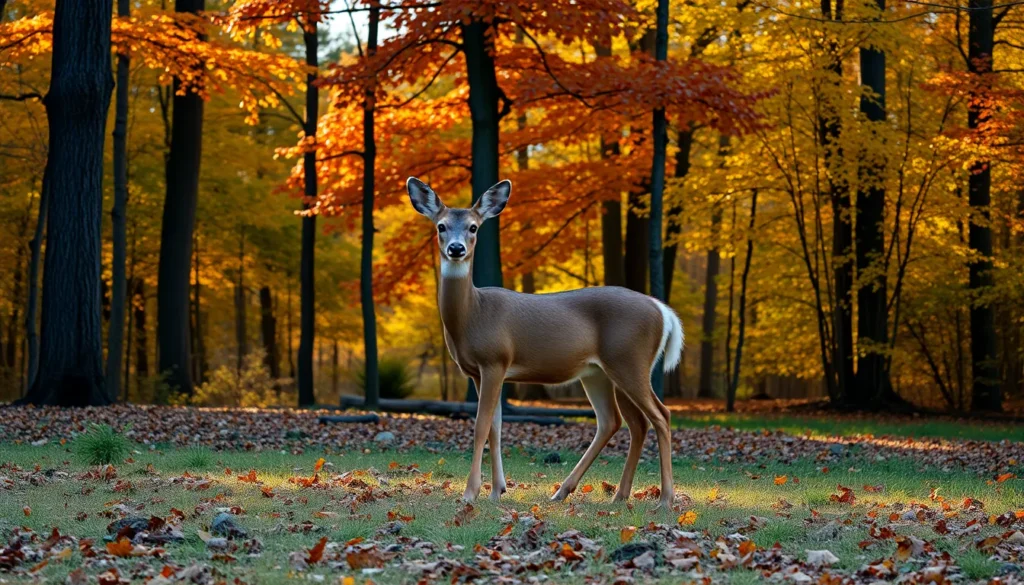
- Distinctive Tail: The species is named for the white underside of its tail, which it raises as a warning signal when alarmed.
- Wide Distribution: White-tailed deer are found throughout most of North America, from southern Canada to South America.
- Size Variation: They vary in size depending on their geographic location, with northern populations generally larger than southern ones.
- Diet: They are herbivores, feeding primarily on leaves, twigs, fruits, nuts, and grasses.
- Seasonal Behavior: White-tailed deer exhibit seasonal changes in behavior and physiology, including antler growth and shedding in males.
- Antler Growth: Male white-tailed deer, called bucks, grow and shed antlers annually, which are used for mating displays and combat.
- Speed and Agility: They are capable of running up to 30 miles per hour and can jump distances of over 10 feet.
- Senses: White-tailed deer have excellent hearing and a strong sense of smell to detect predators.
- Reproductive Cycle: The breeding season, or rut, occurs in the fall, with females giving birth to one or two fawns in late spring.
- Fawn Camouflage: Newborn fawns have spotted coats that help camouflage them in dappled forest light.
- Social Structure: While generally solitary, white-tailed deer may form small groups, especially females with their offspring.
- Communication: They communicate using vocalizations, body language, and scent marking.
- Adaptability: They thrive in a wide range of habitats, including forests, grasslands, and suburban areas.
- Longevity: In the wild, white-tailed deer typically live 4 to 5 years, but can live over 10 years in protected environments.
- Predators: Natural predators include wolves, coyotes, bobcats, and humans.
- Population Control: Hunting and natural predation help regulate white-tailed deer populations.
- Role in Ecosystem: They influence vegetation patterns and serve as prey for many carnivores.
- Conservation Status: White-tailed deer are currently abundant and classified as Least Concern by the IUCN.
- Human Interaction: They are popular game animals and are also known to impact agriculture and gardens.
- Cultural Significance: White-tailed deer hold symbolic importance in many Native American cultures.
Habitat and Behavior
White-tailed deer inhabit a diverse range of ecosystems across the Americas, including deciduous and mixed forests, grasslands, farmlands, and suburban areas. They are highly adaptable, able to survive in both dense woodlands and fragmented habitats close to human development. Their behavior varies seasonally; for example, males grow antlers in the spring and shed them after the mating season in winter. White-tailed deer are mostly crepuscular, being most active at dawn and dusk. They are solitary or form small family groups, with females generally staying together with their fawns. Their diet consists mainly of browse such as leaves, twigs, and fruits, but they will also feed on grasses and agricultural crops depending on availability. Their agility and alertness help them evade numerous predators, while their keen senses of smell and hearing aid in early detection of threats.
Why This Animal Matters
White-tailed deer play a significant ecological role as herbivores that help shape vegetation communities. By feeding on plants, they influence forest regeneration, plant diversity, and the structure of habitats that benefit other species. They are an important prey species for many predators, contributing to the food web balance. Culturally, white-tailed deer have been important to indigenous peoples for food, clothing, and spiritual symbolism. In contemporary society, they are valued game animals for hunting, which also serves as a wildlife management tool to control population sizes. Their presence in suburban areas has spurred increased interest in wildlife biology and human-wildlife interactions. Conservation efforts focus on maintaining healthy populations while addressing challenges such as habitat fragmentation and disease.
Common Misconceptions
Misconception: White-tailed deer can only live in forested areas.
Correction: While they prefer forested habitats, white-tailed deer are highly adaptable and can live in a variety of environments including grasslands, agricultural lands, and suburban areas.
Misconception: White-tailed deer are aggressive animals.
Correction: White-tailed deer are generally shy and avoid human contact. Males may display aggression during the rutting season, but they typically flee from threats.
FAQ
Where do white-tailed deer live?
White-tailed deer live throughout most of North America, from southern Canada through the United States and into parts of Central and South America, occupying forests, grasslands, and even suburban areas.
What do white-tailed deer eat?
They primarily eat leaves, twigs, fruits, nuts, and grasses, adapting their diet seasonally based on availability.
How do white-tailed deer communicate?
They use a combination of vocalizations, body language such as tail movements, and scent marking to communicate with other deer.



Leave a Reply