
Short Answer
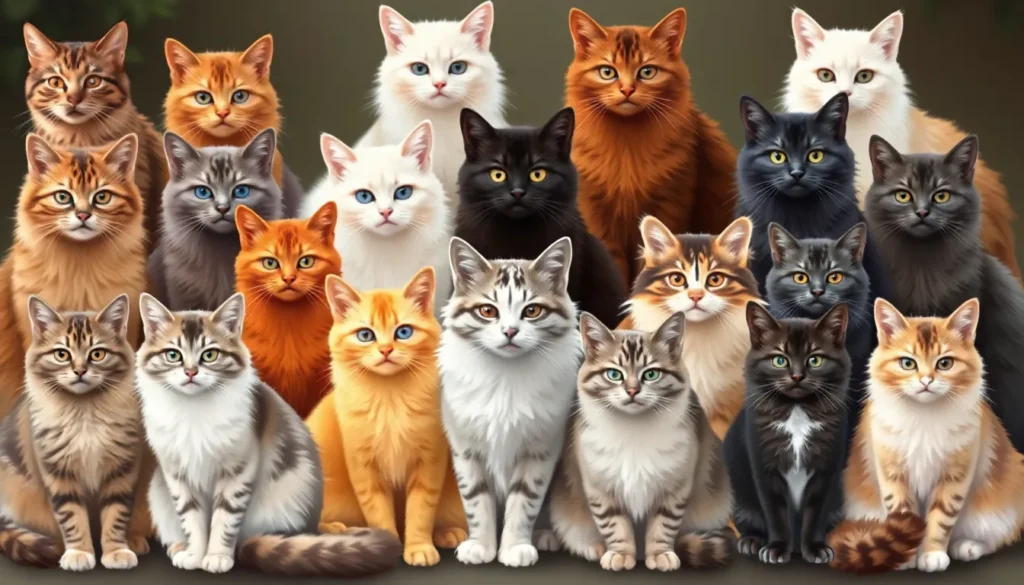
21 Facts About Cat Coat Colors and Genetics
- Color Inheritance
The genetics of cat coat colors is influenced by multiple genes, primarily the agouti gene, which determines whether a cat will have a solid color or a tabby pattern. - Tabby Patterns
Tabby cats are not a breed but a color pattern. The classic tabby features a striped coat and is often characterized by an ‘M’ shape on the forehead. - Dilution Gene
The dilution gene affects the intensity of a cat’s color. For instance, a black cat may have a grey coat if it carries the dilution gene. - Colorpoint Pattern
In breeds like the Siamese, the colorpoint pattern occurs due to temperature-sensitive genes, resulting in darker extremities and a lighter body. - White Cats and Genetic Mutations
White cats often have a genetic mutation that affects pigment production, leading to their striking appearance. - Black Cats
The black coat color is dominant and is produced by the presence of the dominant allele B. Black cats often have a reputation for being mystical or unlucky. - Tortoiseshell Cats
Tortoiseshell cats, typically females, exhibit a mix of black and orange patches due to the X chromosome’s influence on color expression. - Calico Cats
Similar to tortoiseshells, calico cats are also female and showcase a tri-color pattern of white, black, and orange, resulting from X chromosome inactivation. - Genetic Disorders
Certain coat colors can be linked to genetic disorders. For example, white cats with blue eyes are more prone to deafness. - Color Variability
The same breed can exhibit various coat colors, influenced by genetic diversity and environmental factors. - Coat Length
While coat color is primarily determined by genetics, coat length is also inherited, resulting in long-haired and short-haired varieties. - Age and Coat Color
Cats’ coat colors can change with age. For example, some cats may develop grey fur as they mature. - Environmental Influences
Factors such as temperature, diet, and health can influence the appearance of a cat’s coat color. - Breeding Practices
Selective breeding has led to the development of specific coat colors in certain breeds, emphasizing desired traits. - Genetic Testing
Genetic testing can determine a cat’s coat color genetics and help breeders understand possible traits in their offspring. - Historical Significance
Certain coat colors were favored historically in specific cultures, affecting their breeding and popularity. - Genetic Diversity
Maintaining genetic diversity is crucial for the health of cat populations, impacting both coat colors and overall vitality. - Coat Texture
Besides color, cats can have various coat textures, such as curly or wiry, which are also genetically determined. - Coat Patterns
Aside from solid colors, cats can have spotted, mackerel, or ticked patterns, all resulting from different genetic combinations. - Rarity of Certain Colors
Some colors, such as the pure chocolate or lavender, are rare and highly sought after in specific breeds. - Social Perceptions
Different coat colors and patterns can influence public perception and adoption rates of cats in shelters.
Habitat and Behavior
Cats are highly adaptable animals, found in various environments including urban areas, rural settings, and forests. Their behavior is influenced by their habitat; they are typically solitary hunters, using stealth and agility to catch prey. Domestic cats often exhibit territorial behavior and may form social groups in feral colonies, showcasing a range of social dynamics. They have a diverse diet, primarily consisting of small mammals, birds, and insects, and rely on their keen senses for survival.
Why This Animal Matters
Cats play an essential role in controlling rodent populations, contributing to ecological balance. Their presence in human society dates back thousands of years, influencing cultural beliefs and practices. In addition to their pest control capabilities, cats provide companionship and emotional support, impacting human mental health positively. Conservation efforts are vital to maintaining healthy feral and domestic cat populations, ensuring their ecological role continues.
Common Misconceptions
Misconception: All black cats are unlucky.
Correction: In many cultures, black cats are considered symbols of good luck and prosperity.

Misconception: Cats only come in a few coat colors.
Correction: Cats exhibit a wide variety of coat colors and patterns due to complex genetics.
FAQ
What determines a cat's coat color?
A cat's coat color is determined by multiple genes, with dominant and recessive traits influencing the final appearance.
Are certain coat colors more common in specific breeds?
Yes, some breeds have specific coat colors or patterns that are more commonly recognized.
Can a cat's coat color change over time?
Yes, a cat's coat color can change as it ages or due to environmental factors.


Leave a Reply