
Short Answer
21 Facts About Cleaner Shrimp
- Cleaner Shrimp Perform Cleaning Services
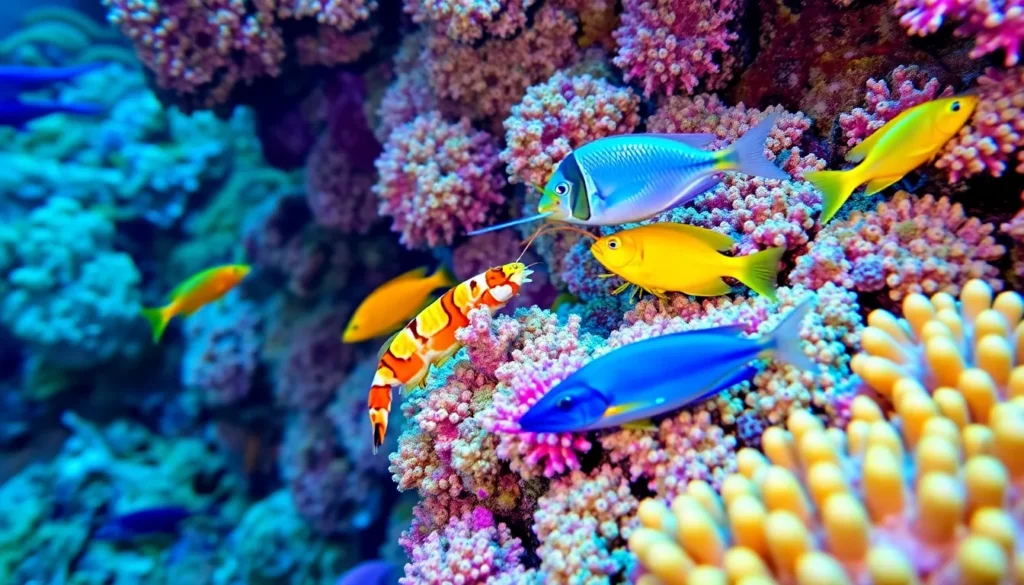
Cleaner shrimp, particularly species like Lysmata amboinensis, are known for their role in cleaning parasites and dead skin from fish. This behavior benefits both the shrimp and the fish, as the shrimp obtain food while the fish receive a hygienic service. - Coloration and Attraction
The bright coloration of cleaner shrimp serves as a signal to fish seeking cleaning services. Their vibrant colors help fish easily identify them in the coral reef environment. - Mutualism Benefits Both Parties
The mutualistic relationship between cleaner shrimp and fish is a classic example of a win-win situation in ecology. Cleaner shrimp gain nutrition, while fish enjoy improved health and reduced parasite loads. - Communication Through Behavior
Cleaner shrimp utilize specific movements and postures to indicate their readiness to clean. Fish recognize these signals, which encourages them to approach the shrimp for cleaning. - Different Species, Different Preferences
Not all fish are equally attracted to all cleaner shrimp species. Some fish have preferred cleaner shrimp species based on factors such as size and cleaning efficiency. - Role in Coral Reef Ecosystems
Cleaner shrimp play a crucial role in maintaining the health of coral reef ecosystems. By controlling parasite populations, they contribute to the overall well-being of reef fish populations. - Cleaner Shrimp and Their Clients
Fish species that frequently engage with cleaner shrimp include wrasses, groupers, and certain species of butterflyfish, showcasing the diversity of clients in this mutualistic relationship. - Social Behavior
Cleaner shrimp often operate in groups, which can enhance their cleaning efficiency and attract more clients. This social structure is beneficial for both individual and collective foraging. - Risk of Predation
While engaging in cleaning, cleaner shrimp are vulnerable to predation. Their bright colors can attract predators, creating a delicate balance between foraging and self-preservation. - Cleaner Shrimp in Aquaria
Many aquarium enthusiasts keep cleaner shrimp to maintain the health of their tank inhabitants, as these shrimp can help manage algal growth and parasites on fish. - Larval Stage
Cleaner shrimp begin their life cycle as planktonic larvae, drifting in the ocean before settling in coral reefs, where they develop into adult shrimp. - Geographic Distribution
Cleaner shrimp are primarily found in tropical and subtropical waters, particularly in coral reef environments throughout the Indo-Pacific region. - Cleaner Shrimp and Anemones
Some cleaner shrimp species form symbiotic relationships with sea anemones, providing cleaning services while receiving protection from predators. - Cleaning Stations
Cleaner shrimp establish ‘cleaning stations’ where fish can come for cleaning, often located near coral structures. These stations serve as hubs of mutualistic interaction. - Environmental Threats
Habitat degradation, overfishing, and climate change pose threats to cleaner shrimp populations. Conservation efforts are critical to maintaining these important marine species. - Behavioral Adaptations
Cleaner shrimp exhibit various behavioral adaptations to attract clients, including specific movements and the use of pheromones to signal their presence. - Reproductive Strategies
Cleaner shrimp have complex reproductive strategies, including both sexual and asexual reproduction, contributing to their resilience in various environments. - Cultural Importance
In some cultures, cleaner shrimp are regarded as a delicacy, although their ecological role emphasizes the need for sustainable practices. - Scientific Research
Cleaner shrimp are often subjects of scientific studies aimed at understanding mutualism, behavioral ecology, and the dynamics of reef ecosystems. - Impact on Fish Behavior
The presence of cleaner shrimp can significantly influence the behavior of reef fish, often leading to increased foraging and reduced stress levels among client fish. - Cleaner Shrimp and Their Ecosystem
The interactions between cleaner shrimp and their clients contribute to a balanced ecosystem, supporting biodiversity and healthy fish populations.
Habitat and Behavior
Cleaner shrimp inhabit tropical and subtropical coral reefs, where they find shelter and food. They are typically found in shallow waters, often near coral structures that provide protection from predators. Cleaner shrimp exhibit social behavior, often working in groups to maximize cleaning efficiency. They are also known for their ability to recognize individual clients and respond to their specific needs during cleaning sessions.
Why This Animal Matters
Cleaner shrimp play a vital ecological role by maintaining the health of coral reef ecosystems. They help control parasite populations on fish, contributing to the overall stability and biodiversity of the reef. Their mutualistic relationships highlight the interconnectedness of marine species and the importance of conserving coral reef habitats for the survival of both cleaner shrimp and their clients.
Common Misconceptions
Cleaner shrimp only clean fish.
While they are well-known for cleaning fish, cleaner shrimp also engage in cleaning services for other marine animals, including certain invertebrates.
All cleaner shrimp species perform the same functions.
Different species of cleaner shrimp may have varying behaviors, cleaning preferences, and ecological roles, adapting to the specific needs of their environment and clients.
FAQ
What is the role of cleaner shrimp in marine ecosystems?
Cleaner shrimp help control parasite populations on fish, contributing to the health of reef ecosystems.
How do cleaner shrimp attract fish?
They use bright colors and specific movements to signal their readiness to clean, enticing fish to approach.
Are cleaner shrimp important for aquarium owners?
Yes, they help maintain a healthy environment by cleaning parasites and algae from tank inhabitants.



Leave a Reply