
Short Answer
21 Facts About Queen Conch (Marine Snail)
- Scientific Name: The queen conch is scientifically known as Lobatus gigas, previously classified as Strombus gigas.
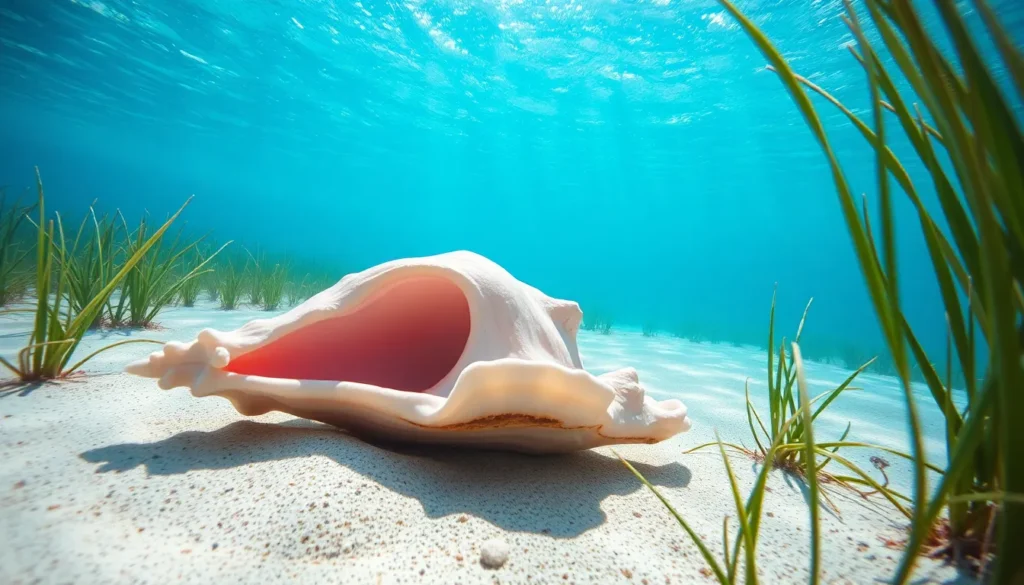
- Shell Characteristics: Its large, spiral shell can grow up to 12 inches in length and is known for its pink interior.
- Habitat Range: Queen conchs are primarily found in the Caribbean Sea, the Gulf of Mexico, and the western Atlantic Ocean.
- Diet: They are herbivores, feeding mainly on algae, seagrasses, and detritus found on the ocean floor.
- Reproductive Behavior: Queen conchs reproduce sexually, with females laying egg masses that contain thousands of eggs.
- Growth Rate: They grow slowly, often taking 3 to 5 years to reach maturity.
- Movement: Although they are snails, queen conchs can move by using their foot to crawl across seagrass beds and sandy bottoms.
- Predators: Their predators include lobsters, crabs, rays, and some fish species.
- Economic Importance: Queen conchs are harvested for their meat, which is consumed in various Caribbean cuisines.
- Shell Uses: Their shells are used in jewelry, decoration, and as musical instruments in some cultures.
- Conservation Status: Overfishing and habitat loss have led to population declines, prompting conservation efforts and harvesting regulations.
- Ecosystem Role: By grazing on algae, queen conchs help maintain the health of seagrass beds and coral reef ecosystems.
- Shell Morphology: The shell has a flared lip that expands as the conch matures, a feature used to determine age.
- Larval Stage: After hatching, queen conch larvae are planktonic, drifting in the water column before settling to the bottom.
- Cultural Significance: In many Caribbean cultures, the queen conch is a symbol of heritage and is featured in folklore and festivals.
- Harvest Regulations: Many countries have size limits and closed seasons to protect juvenile conchs and allow population recovery.
- Shell Color Variations: While typically pink, shell color can vary depending on environmental factors and diet.
- Respiration: Queen conchs breathe using gills adapted for marine environments.
- Behavioral Traits: They are generally slow-moving and solitary animals, active mostly during the day.
- Scientific Research: Queen conchs are studied for their growth patterns, reproductive biology, and responses to environmental changes.
- Threats: Besides overfishing, threats include habitat degradation, pollution, and climate change impacts such as ocean acidification.
Habitat and Behavior
The queen conch inhabits shallow, warm coastal waters, particularly seagrass beds and sandy or muddy ocean floors at depths generally less than 30 meters. This environment provides abundant food sources and camouflage. Queen conchs use their muscular foot to move slowly across the substrate, searching for food and avoiding predators. They are primarily herbivorous, grazing on algae and seagrasses, which helps control algal growth and supports seagrass bed health. Reproductively, queen conchs engage in internal fertilization; females lay large egg masses attached to seagrass or substrate. The larvae spend several weeks in a planktonic stage before settling on the ocean floor to develop into juveniles. Their movement and feeding habits contribute to nutrient cycling within their habitat.
Why This Animal Matters
Ecologically, queen conchs are important grazers that maintain the balance of seagrass beds and coral reef ecosystems, indirectly supporting biodiversity. Economically, they are a significant resource for fisheries in the Caribbean and Atlantic regions, providing food and income for local communities. Culturally, the queen conch holds symbolic value in many Caribbean societies, where it features in traditional cuisine, art, and festivals. Due to overharvesting and habitat loss, queen conch populations have declined, leading to increased conservation efforts including legal protections and sustainable harvesting practices. Their status serves as an indicator of marine ecosystem health, underscoring the need to preserve coastal habitats.
Common Misconceptions
Misconception: Queen conchs are harmful predators.
Correction: Queen conchs are herbivores and do not prey on other animals; they feed on algae and plant material.
Misconception: Queen conch shells are easily replaced and not affected by overharvesting.
Correction: Queen conchs grow slowly and overharvesting can severely reduce populations, affecting ecosystem balance.
Misconception: All large sea snails are queen conchs.
Correction: The term “queen conch” refers specifically to Lobatus gigas; other large sea snails belong to different species and families.
FAQ
What is the queen conch?
The queen conch is a large marine snail known scientifically as Lobatus gigas, recognized for its distinctive pink interior shell and found mainly in the Caribbean and western Atlantic.
Why is the queen conch important ecologically?
Queen conchs play a vital role in maintaining healthy seagrass beds by grazing on algae, which supports balanced marine ecosystems and biodiversity.
What threats do queen conchs face?
Queen conchs face threats from overfishing, habitat degradation, pollution, and climate change, all of which have contributed to population declines and the need for conservation measures.


Leave a Reply