
Short Answer
Birds are fascinating creatures that have captivated the human imagination for centuries. Whether it’s their vibrant plumage, melodious songs, or astonishing migratory patterns, these winged wonders offer a glimpse into the marvels of nature. But how much do you really know about them? Put your knowledge to the test and see if you can guess some of the answers as you explore these ten intriguing facts about birds. Ready for an avian adventure? Let’s take flight!
1. The Enigma of Migration
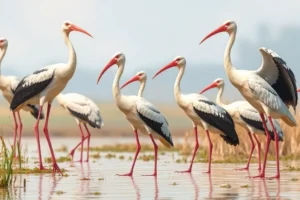
One of the most astounding characteristics of many bird species is their migratory patterns. Every year, millions of birds undertake perilous journeys to escape harsh weather conditions or to find food. For instance, the Arctic Tern migrates an astonishing 71,000 kilometers (about 44,000 miles) from its breeding grounds in the Arctic to its wintering spot in Antarctica. How do these small creatures navigate such vast distances with precision? Scientists believe they utilize a combination of the Earth’s magnetic field, sunlight, and even the position of stars to chart their course. Can you imagine following a map that changes with the seasons?
2. The Color Spectrum
When it comes to birds, vibrant colors are more than just eye candy; they often play crucial roles in mating and survival. For instance, male birds typically exhibit brighter plumage than their female counterparts, attracting potential mates while also signaling health and vitality. But did you know that some birds possess colors beyond the human visible spectrum? The feathers of certain species, such as the hummingbird, can reflect ultraviolet light, which is invisible to the naked eye. Who knew that beauty could be experienced through different lenses?
3. The Symbiosis of Ecosystems
Birds play a vital role in many ecosystems as pollinators and seed dispersers. This intricate web of life underscores the importance of preserving their habitats. For example, the fruit of the fig tree cannot mature without the pollination provided by tiny fig wasps, which are often aided by birds that consume the fruit and disperse its seeds elsewhere. In this relationship, birds are not merely participants; they are essential architects of biodiversity. Can you ponder what would happen if one link in this chain were to vanish?
4. Remarkable Vocalization
Birdsongs fill the air with enchanting melodies. But these vocal displays are far more complex than simple tunes. Some species, like the lyrebird, can mimic a plethora of sounds, from chainsaws to camera shutters. These skills not only serve to attract mates but also to establish territory. Other birds, such as the African Grey Parrot, can even learn human words and phrases. Imagine holding a conversation with a bird—what questions would you ask it about the sky?
5. Nesting Ingenuity
From elaborate nests made of twigs, grass, and mud to the intricate designs of the weaver bird, avian architects demonstrate remarkable ingenuity. Some species are known to build nests that serve multiple purposes, including camouflage from predators and protection from the elements. The hanging nest of the Baya Weaver is one stunning example. If you were a bird, what materials would you choose to construct your ideal home far above ground?
6. Unfathomable Intelligence
Birds are often underestimated in terms of intelligence. Corvids, such as crows and ravens, are renowned for their problem-solving abilities and even tool use. Studies have shown that these birds can plan for the future, an cognitive skill previously believed to be exclusive to primates. They can navigate complex environments and devise clever strategies to access food. Would you ever have thought that some feathered friends could rival the intellect of a toddler?
7. The Diversity of Size
Birds come in myriad shapes and sizes, from the tiny bee hummingbird, measuring about 2.2 inches, to the majestic ostrich, standing up to 9 feet tall. This diversity serves various ecological functions, influencing everything from foraging behavior to habitat preference. The differences in size also inform their flight capabilities, with some birds adept at gliding while others are rapid flap-flyers. How does size impact your own experiences in life—what would change if you were suddenly a lot smaller or larger?
8. Eerie Adaptations
Some birds have developed rather unexpected adaptations to thrive in their environments. For example, the brush-turkey uses heat generated by decomposition to incubate its eggs, while the Emperor Penguin can survive extreme Antarctic conditions thanks to its unique feather structure and social behaviors that include huddling for warmth. The ways these birds adapt can leave anyone mesmerized. What unusual adaptation would you invent for yourself if you were part of their world?
9. Threats and Conservation
Sadly, many bird species face threats due to habitat loss, climate change, and invasive species. Conservation efforts are crucial to safeguarding their populations and preserving biodiversity. Organizations work tirelessly to protect critical habitats and promote awareness about the significance of avian life. What role do you think individuals can play in the conservation of birds? Every small action counts!
10. The Ancient Connection
Birds have long held a place in human culture, mythology, and art. From ancient cave paintings to modern literature, they symbolize freedom, transcendence, and transformation. This longstanding connection inspires many to observe and appreciate the beauty of birds in the natural world. How would you express your affinity for birds if you were to create your own piece of art or literature?
In conclusion, birds are not merely creatures fluttering around our skies; they are essential parts of the ecological tapestry and sources of endless fascination. Their adaptability, intricate behaviors, and extraordinary intelligence challenge our understanding and invite us to consider our connection with nature. So, whether you’re a birdwatching enthusiast or generally curious, take a moment to look up and appreciate the incredible avian world around you. Are you ready to discover more about these flying marvels, or perhaps take on the challenge of observing them in your own backyard?
FAQ
What are the main characteristics of birds?
Birds are characterized by feathers, beaks, and the ability to lay eggs. They exhibit a wide variety of sizes, colors, and behaviors.
Why do birds migrate?
Birds migrate primarily to find food and suitable breeding grounds, often escaping harsh weather conditions.
What role do birds play in ecosystems?
Birds contribute to pollination, seed dispersal, and controlling insect populations, making them vital for ecosystem health.



Leave a Reply