
Short Answer
Electrical energy is a remarkable force that powers our modern world, yet how much do we truly understand about this powerful element? As we flip switches and plug in devices, one might wonder: what lies beneath the surface of our daily interactions with electrical energy? Delving into the intricacies of electrical energy reveals compelling facts that not only illuminate its significance but also challenge us to think more critically about its role in our lives. Here are nine powerful facts about electrical energy that will enlighten you and perhaps provoke a reconsideration of its implications in your daily existence.
1. The Speed of Transmission
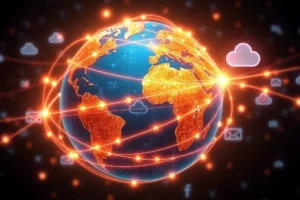
Did you know that electrical energy travels at an astonishing speed? When an electric current flows through a conductor, it moves at nearly the speed of light, approximately 186,282 miles per second. This rapid transmission enables instantaneous communication across vast distances. Imagine sending a text to a friend on the other side of the planet, with your words traveling at light speed! This extraordinary pace highlights not only the efficiency of electrical energy but also its central role in modern connectivity.
2. The Birth of Electricity
The genesis of electrical energy is rooted in ancient history. The ancient Greeks discovered static electricity around 600 B.C. by rubbing amber with fur. This seemingly simple experiment laid the groundwork for innovations that would emerge millennia later. From Benjamin Franklin’s kite experiment to Thomas Edison’s development of the first practical light bulb, the journey of electricity is a captivating narrative of human ingenuity. Yet, isn’t it fascinating to think that these early experiments led to the ubiquitous energy sources that we now take for granted?
3. A Multifaceted Resource
Electrical energy is not a standalone phenomenon; it manifests in various forms. It can be generated from renewable sources such as solar panels, wind turbines, and hydroelectric dams, or derived from fossil fuels. Each method of generation comes with its own set of benefits and drawbacks, leading to discussions about sustainability and environmental impact. As consumers, we face the challenge of making informed choices that balance our energy needs with the health of our planet, increasing the necessity to understand the nuances of these diverse energy sources.
4. Conversion Efficiency
One intriguing aspect of electrical energy lies in its conversion efficiency. Not all energy used in electricity generation successfully translates into usable electrical energy. For instance, conventional power plants often lose over 65% of energy as waste heat. Conversely, renewable energy sources, like solar panels, can boast efficiencies between 15% to 22% depending on the technology. This discrepancy raises pertinent questions regarding our reliance on outdated systems and the potential for adopting more innovative technologies. Are we maximizing the potential of our energy resources?
5. The Power of Circuits
Circuitry is integral to electrical energy, forming the backbone of every device we operate. There are two types of circuits: series and parallel. In a series circuit, electricity flows through a single path, leading to the potential for complete circuit failure if one component fails. Conversely, parallel circuits provide multiple pathways, ensuring that if one route is disrupted, others can maintain the flow. This complexity illustrates the delicate balance of reliability and functionality inherent in electrical systems. How much thought do we give to the design of the systems we depend on?
6. The Capacity for Disaster
While electrical energy facilitates convenience and innovation, it also possesses a formidable destructive potential. Electrical fires, surges, and failures can lead to devastating consequences, including loss of life and property. Understanding the risks associated with electrical systems is paramount. The dramatic scenarios so frequently depicted in movies, where a single spark leads to an enormous explosion, might be fiction, but they underscore a critical reality—safety precautions, such as proper wiring and surge protectors, can avert disasters. Are we doing enough to prioritize safety as we embrace technology?
7. Energy Storage Breakthroughs
Energy storage has emerged as a pivotal area in the realm of electrical energy. With the rise of renewable energy sources, the need to store excess energy for future use has led to remarkable advancements. Battery technology continues to evolve, with innovations such as lithium-ion batteries becoming more efficient and affordable. However, the quest for the ultimate energy storage solution remains a challenge. This reality leads us to ponder: Are current developments sufficient to meet our growing demand for clean energy storage, or is more research required?
8. The Versatility of Direct and Alternating Current
Electrical energy flows in two primary forms: Direct Current (DC) and Alternating Current (AC). DC flows uniformly in a single direction, while AC periodically reverses its direction. Each type has its unique applications; for instance, DC powers batteries and electronics, while AC is the standard for household electricity. This fundamental difference is pivotal, yet the majority of our daily devices operate on AC, emphasizing the importance of transformer technology. Have you ever stopped to consider how often we switch between these forms in our everyday lives?
9. The Future of Electrical Energy
As society grows increasingly dependent on electrical energy, the future seems poised for transformation. Concepts such as smart grids, decentralized energy systems, and advancements in quantum computing hold the promise of redefining how we harness and utilize energy. These innovations offer tantalizing prospects, yet they also present us with challenges in terms of infrastructure, cybersecurity, and equitable access. As we stand on the cusp of this energy revolution, the question remains: Are we prepared to embrace the changes that lie ahead?
In conclusion, electrical energy is more than just a resource; it is a multifaceted entity that shapes our lives in countless ways. The facts presented herein serve to underscore its dynamism while compelling us to play a more active role in understanding and utilizing this powerful force. As we navigate our relationship with electrical energy, we must remain ever-vigilant, informed, and ready to tackle the challenges that come with living in an electrified world. Whether it’s improving safety, enhancing efficiency, or innovating future technologies, the journey with electrical energy is just beginning.
FAQ
What is electrical energy?
Electrical energy is energy caused by the movement or position of charged particles, used to power devices and systems.
How fast does electrical energy move?
Electrical energy moves through conductors at nearly the speed of light.
What are the sources of electrical energy?
Electrical energy can come from renewable sources such as solar, wind, and hydro power, or from fossil fuels.
What is the difference between AC and DC electrical energy?
AC (Alternating Current) periodically reverses direction and is used in households, while DC (Direct Current) flows in one direction and powers batteries and electronics.
Why is energy storage important in electrical systems?
Energy storage helps save excess energy from renewable sources for later use, ensuring a reliable power supply.

Leave a Reply