
Short Answer
Nature, in all its splendor, possesses a kaleidoscope of wild animals—each creature a unique thread in the intricate tapestry of life. From the depths of the oceans to the towering canopies of rainforests, these magnificent beings exhibit extraordinary adaptations and behaviors that both bewilder and fascinate. Below are nine wild facts about wild animals that unravel the mysteries of the animal kingdom, shedding light on the remarkable quirks and characteristics that make each species singularly enthralling.
1. The Immortal Jellyfish: Nature’s Eternal Enigma
Turritopsis dohrnii, colloquially known as the immortal jellyfish, wields a marvelously enigmatic ability to reverse its life cycle. When faced with aging or physical trauma, this oceanic wonder can revert to its juvenile form, emerging anew from the abyss of its previous self. Imagine a phoenix rising from its own ashes but set beneath the waves—this jellyfish’s biological prowess defies our conventional understanding of life and death, compelling us to ponder the essence of immortality itself.
2. Elephants: Keepers of Memory
Regarded as the gentle giants of the savannah, elephants possess an extraordinary capacity for memory and empathy. Their cerebral prowess enables them to remember intricate details about their social structure, familial ties, and even the locations of water sources spanning across vast landscapes. This majestic species, imbued with intelligence akin to that of humans, extols the importance of kinship, echoing the sentiment that familial bonds are at the heart of survival in the wild.
3. Cuttlefish: Masters of Disguise
In a world where camouflage is paramount for survival, cuttlefish reign supreme. Equipped with specialized skin cells called chromatophores, these cephalopods can alter their appearance in the blink of an eye. One moment, they may resemble the rugged rocks of their habitat; the next, they become vibrant beings adorned with swirling patterns of color. This ability to morph from one form to another serves as both a means of evasion from predators and an exquisite display of artistry—nature’s living canvas.
4. Pistol Shrimp: The Sonic Boom of the Sea
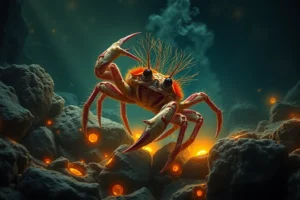
The pistol shrimp, though diminutive in stature, commands respect within its underwater domain for its astonishing sonic weaponry. By rapidly closing its claw, it generates a cavitation bubble that produces a sound exceeding 200 decibels—the underwater equivalent of a gunshot. This incredible adaptation not only stuns prey but also creates shock waves that can disable larger predators. The pistol shrimp illustrates the adage that appearances can be deceiving; even the smallest creatures can wield immense power.
5. Axolotl: Nature’s Regeneration Expert
Meet the axolotl, the aquatic salamander that has honed the art of regeneration to an extraordinary degree. This remarkable creature can regrow entire limbs, spinal cords, and even parts of its heart and brain. Enrobed in a perpetual juvenile state, the axolotl beckons us into a world where the boundaries of physical limitations blur. This aquatic wonder, often termed the “Mexican walking fish,” challenges the paradigm of life and regeneration with every striking regrowth.
6. Honeybees: The Architects of Democracy
Honeybees, with their industrious work ethic and complex societal structure, epitomize the essence of community and cooperation. Within their hives lies a sophisticated hierarchy, where decisions are made collectively, often likened to a democratic assembly. The famed “waggle dance,” a dance performed by foragers to communicate the location of food sources, is an astounding testament to their intelligence. These minuscule architects sculpt the foundation of ecosystems through pollination, illustrating the interdependence woven into the grand design of life.
7. The Narwhal: Unicorn of the Sea
Wielding a long, spiraled tusk that pierces the waves like a mythical sword, the narwhal captures the imagination of all who hear its tale. Often referred to as the unicorn of the sea, these enigmatic cetaceans possess this elongated tooth, primarily used during mating rituals and social interactions. The narwhal thrives in the frigid Arctic waters, embodying the concept of adaptation as it navigates through ice-filled realms in search of sustenance. This elusive creature challenges us to dream beyond reality, sharing the echoes of legends long past.
8. Octopuses: Cognition Beyond the Tentacles
Octopuses embody the spirit of curiosity and intelligence beneath the waves. With their eight dexterous arms lined with thousands of sensitive suckers, they exhibit problem-solving skills that rival those of mammals. Capable of complex behaviors such as escaping enclosures and using tools, octopuses navigate their environment with an uncanny sense of awareness. These cephalopods, veiled in a tapestry of intrigue, stimulate endless fascination as they explore the depths of cognition and adaptability.
9. Cheetahs: The Sprinters of the Savanna
As the fastest land mammals on Earth, cheetahs embody elegance and precision during their breathtaking sprints. Engineered for speed with a lightweight frame and elongated limbs, these felines can accelerate from 0 to 60 mph in mere seconds. While their agility captivates, it also reveals the fragility of their existence; their unparalleled speed does not guarantee success in the wild. Cheetahs remind us that even the most extraordinary gifts come with challenges, adding further depth to their allure.
In conclusion, the animal kingdom never ceases to amaze, offering a treasure trove of wonders that extend far beyond mere survival. Each fact encapsulated within this exploration serves as an invitation to respect and protect the diversity of life on our planet. As we delve deeper into the lives of these wild creatures, we gain insight not only into their existence but into the very fabric of the natural world that sustains us all. Through understanding and appreciation, we can become stewards of nature, ensuring that the melodies of the wild continue to resonate across generations.
FAQ
What is the most fascinating fact about wild animals?
Wild animals exhibit numerous extraordinary traits, such as the immortal jellyfish’s ability to reverse its life cycle.
How do cuttlefish change their appearance?
Cuttlefish use specialized skin cells called chromatophores to alter their color and texture instantly.
Why are honeybees considered architects of democracy?
Honeybees make collective decisions within their hives, demonstrating complex social structures and cooperation.
Leave a Reply