
Short Answer
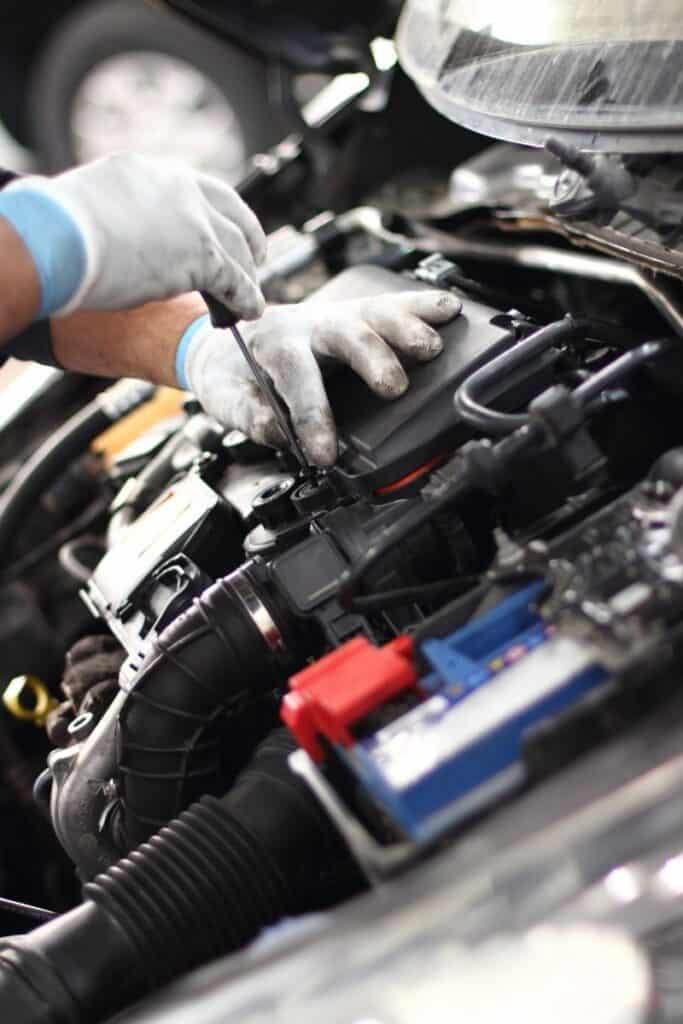
When you think of car mechanics, what comes to mind? Perhaps it’s the scent of oil, the unmistakable sound of tools clanging, or the sight of a steadfast mechanic in a grease-stained jumpsuit laying under a car. However, the world of automotive repair is rich with intriguing facts that may surprise you. Here are 10 grease and gear fun facts about car mechanics that not only highlight the skills of these artisans but also beckon us to appreciate the intricate workings of our beloved vehicles.
1. The Birth of Modern Mechanics: A Historical Overview
Did you know that the roots of modern car mechanics trace back to the late 19th century? Karl Benz is often credited with creating the first gasoline-powered car in 1885. This innovation spurred a revolution in automotive engineering and paved the way for formal mechanists to emerge. The evolution of the mechanic’s role has transitioned from simple tinkering to a sophisticated blend of artistry and scientific knowledge, making it a quintessential element of our society’s technological advancement.
2. Tools of the Trade: The Mechanics’ Arsenal
The tools that car mechanics wield are as diverse as their tasks. From the common wrench to specialized diagnostic tools, mechanics have an arsenal that would make any handyman envious. A torque wrench, for instance, ensures that bolts are tightened to the vehicle manufacturer’s specifications. This crucial tool is often the difference between a safe ride and a catastrophic failure. One could argue: how many of these intricate tools can you name?
3. The Mysterious Engine Block: An Engineer’s Canvas
Many might think of the engine block as just a hunk of metal, but to a mechanic, it’s akin to a painter’s canvas. This central component is where the magic happens. It houses the combustion chambers, where fuel and air ignite to create the power that drives your vehicle. Mechanics must possess an intricate understanding of various materials, such as aluminum and cast iron, to effectively repair or replace these blocks, as they each have unique properties and cooling characteristics.
4. The Growing Importance of Tech-Savvy Skills
In today’s digital age, car mechanics are not just wielders of wrenches; they are also adept at navigating an array of computer systems. Modern vehicles come equipped with diagnostic systems that communicate potential issues through error codes. A mechanic must now possess both mechanical proficiency and technological savvy to interpret these codes accurately. Could you imagine fixing a car without plugging it into a computer first?
5. The Art of Diagnosis: Sherlock Holmes of the Automotive World
Consider this: every mechanic is a detective in their own right. The process of diagnosing a car’s ailment is akin to solving a mystery. Mechanics use a variety of methods, including test drives, listening techniques, and visual inspections, to determine underlying issues. Like Sherlock Holmes, they must pay attention to the minutiae; a simple rattle could signal a far more complex problem lurking beneath the hood. Have you ever pondered what it would be like to have such acute observational skills?
6. Grease: A Mechanics’ Best Friend
What would car maintenance be without the venerable grease? This unassuming lubricant plays a pivotal role in reducing friction between moving parts and preventing wear and tear. With the explosion of various types of grease available—such as lithium-based and synthetic—you might question how a mechanic selects the right one for each application. The ability to choose the appropriate grease is an art form that speaks to their extensive knowledge and experience.
7. The Evolution of Training: From Apprenticeship to Advanced Degrees
Traditionally, many mechanics learned their craft through apprenticeships, but today, educational pathways have diversified. Many technicians attend vocational schools or earn degrees in automotive technology. This shift is not just about learning to fix cars; it also encompasses understanding environmental regulations, customer service skills, and safety protocols. How prepared can one be for the complexities of modern vehicle technology?
8. Safety First: The Crucial Role of Mechanics in Public Safety
Often overlooked, car mechanics play an integral role in public safety. Regular maintenance and repairs ensure that vehicles operate efficiently and safely. Mechanics not only help to reduce accidents through preventative practices but also work diligently to ensure compliance with safety standards. The greater challenge is to instill the importance of periodic inspections in vehicle owners to promote a culture of safety. How often do you think about the safety of your ride?
9. Green Mechanics: The Rise of Eco-Friendly Practices
The automotive industry is increasingly focused on sustainability, and car mechanics are at the forefront of this green revolution. Many are adopting eco-friendly practices, such as using biodegradable oils and recycling old parts. As electric and hybrid vehicles become more prevalent, mechanics are also updating their skill sets to accommodate these greener technologies. Imagine how these practices could reshape our view of car maintenance in the years to come!
10. The Community Spirit: Mechanics as Catalysts for Connection
Finally, car mechanics often serve as community pillars. They are often the go-to experts where local residents trust their knowledge and experience. This communal bond deepens as mechanics build relationships with customers, serving not just as service providers but as confidants and advisors. Have you ever found a mechanic you felt understood not only your car but also your driving needs?
As we navigate through these grease and gear fun facts, it becomes clear that car mechanics are more than just fixers of machines; they are integral contributors to our daily lives and society as a whole. Understanding the nuances of their trade allows us to appreciate the skill and dedication that goes into keeping our vehicles running smoothly. Next time your car needs a tune-up, ponder over these points and maybe even strike up a conversation with your mechanic. Who knows what fascinating insights you might uncover?
FAQ
What is the significance of grease in car maintenance?
Grease is crucial for reducing friction and preventing wear between moving parts in vehicles.
Why is it important for mechanics to have tech-savvy skills?
Mechanics need tech-savvy skills to diagnose issues using computerized systems and interpret error codes effectively.



Leave a Reply