
Short Answer
21 Facts About Brain Coral
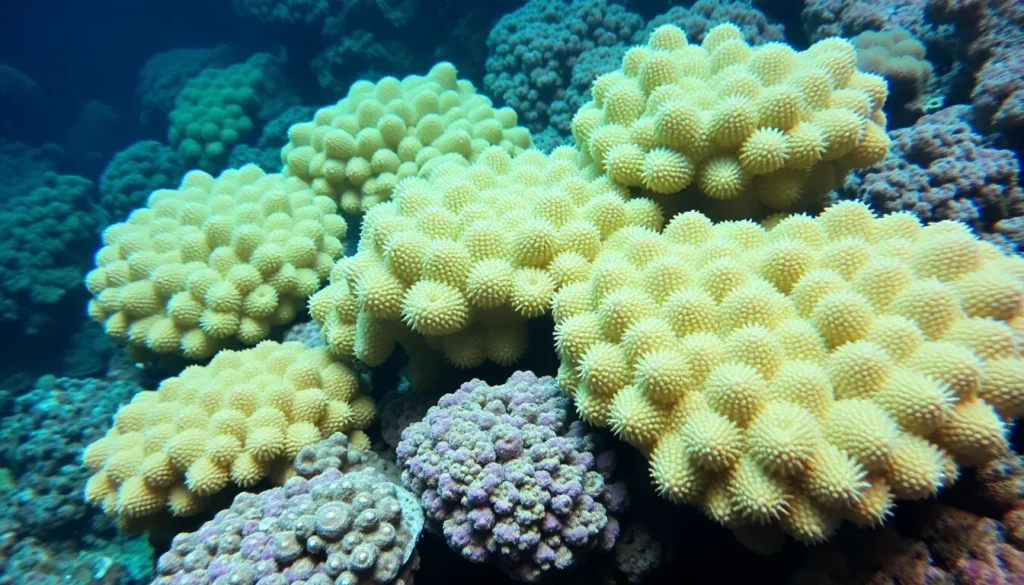
- Brain corals are named for their shape. Their surface resembles a human brain, with intricate grooves and ridges.
- They are a type of reef-building coral. Brain corals contribute significantly to the structure and composition of coral reefs.
- Growth rate varies by species. Some brain corals grow as slowly as 1 cm per year, while others may grow up to 10 cm annually.
- They can live for centuries. Some species of brain coral are estimated to live for over 100 years.
- Brain corals are primarily found in warm, shallow waters. They thrive in tropical and subtropical regions, particularly in the Caribbean and Pacific oceans.
- They have a symbiotic relationship with zooxanthellae. These microscopic algae live within the coral’s tissues and provide it with nutrients through photosynthesis.
- Brain corals are primarily hermatypic. This means they build calcium carbonate skeletons, contributing to reef formation.
- They can reproduce sexually and asexually. Asexual reproduction occurs through budding, while sexual reproduction happens through spawning events.
- Brain corals exhibit different growth forms. Some may appear as massive lobes, while others develop in plate-like structures.
- They are sensitive to environmental changes. Factors such as water temperature and pollution can significantly affect their health and growth.
- Brain corals can recover from bleaching. If environmental conditions improve, some species can regain their symbiotic algae and recover from bleaching events.
- They serve as a habitat for various marine species. Fish, invertebrates, and other organisms often seek shelter among the crevices of brain corals.
- Brain corals are key indicators of reef health. Their presence and condition can reflect the overall health of coral reef ecosystems.
- They have adaptations for survival. Brain corals can withstand strong wave action due to their robust structure.
- Brain corals are affected by coral diseases. Various pathogens can lead to diseases that impact their growth and survival.
- They are less susceptible to predation. Their hard skeletons deter many potential predators.
- Brain coral species vary in color. They can be found in hues of brown, green, and even purple, depending on the specific species and environmental factors.
- They can be impacted by ocean acidification. Increased CO2 levels in the atmosphere lead to more acidic ocean waters, affecting calcium carbonate formation.
- Brain corals can be studied for climate change research. Their growth patterns provide valuable data on historical ocean temperatures.
- They are important for coastal protection. Healthy reefs, including brain corals, help protect shorelines from erosion and storm damage.
- Brain corals are subject to conservation efforts. Various organizations focus on protecting coral reefs to ensure the survival of brain corals and their ecosystems.
Habitat and Behavior
Brain corals predominantly inhabit warm, shallow marine environments, particularly in tropical and subtropical regions. They are typically found in depths of up to 60 meters, thriving in areas with ample sunlight, which is crucial for their symbiotic algae. These corals exhibit a unique growth pattern that allows them to form massive structures, often found as part of larger reef systems. Behaviorally, brain corals are primarily sessile, meaning they remain fixed in one location, and they rely on water currents for feeding and nutrient acquisition. Their polyp structures extend at night to capture plankton and other small particles from the water column.
Why This Animal Matters
Brain corals play a vital role in marine ecosystems, particularly in coral reef health and biodiversity. They provide habitat and protection for numerous marine species, including fish and invertebrates. Ecologically, healthy brain coral populations contribute to the structural integrity of coral reefs, which are among the most diverse ecosystems on the planet. Culturally, coral reefs, including brain corals, are significant for many coastal communities, supporting fisheries and tourism. Conservation of brain corals is essential, as they face threats from climate change, pollution, and ocean acidification, which can undermine their growth and the ecosystems they support.
Common Misconceptions
Misconception: Brain corals are plants.
Correction: Brain corals are marine animals belonging to the phylum Cnidaria, not plants.
Misconception: All coral reefs are the same.
Correction: Coral reefs vary significantly in species composition, structure, and health, with brain corals being just one component of diverse reef ecosystems.
FAQ
What are brain corals?
Brain corals are a type of reef-building coral characterized by their brain-like appearance and significant ecological role.
How do brain corals grow?
They grow by adding calcium carbonate to their skeletons and can reproduce both sexually and asexually.
Why are brain corals important?
They provide habitat for marine life, contribute to reef structure, and are indicators of reef health.




Leave a Reply