
Short Answer
The Blue Morpho butterfly, a captivating jewel of the lush rainforests of Central and South America, enchants onlookers with its vivid azure wings that shimmer like a precious gemstone. These butterflies, belonging to the morpho genus, are not merely beautiful; they embody a wealth of fascinating traits and behaviors that reflect their complex ecological niche. Here are ten iridescent facts that might deepen your appreciation of this remarkable species.
1. Dazzling Coloration
The most striking feature of the Blue Morpho is undoubtedly its breathtaking blue wings. This rich coloration is not the result of pigmentation, but rather a sophisticated interplay of light and structure. The microscopic scales on their wings refract light, creating a bright blue hue that can appear to change as the angle of light shifts. This optical phenomenon elevates the Blue Morpho’s appeal and exemplifies the wonders of evolutionary adaptation.
2. Size and Span
The Blue Morpho is one of the largest butterflies in the world, with a wingspan that can measure up to 6 inches (15 centimeters) or more. This impressive size serves various functions, from daunting potential predators to aiding in thermoregulation. The sheer wingspan allows for greater stability and control in flight, making them adept at navigating the dense underbrush of their rainforest habitat.
3. Habitat and Distribution
Primarily found in the tropical rainforests of South and Central America, the Blue Morpho thrives in areas with abundant vegetation. It favors regions such as the Amazon Basin and the rainforests of Costa Rica. However, they are also seen in disturbed habitats, where they can feed on a variety of plants. Their adaptability to varying environments contributes to their resilience as a species.
4. Lifecycle and Metamorphosis
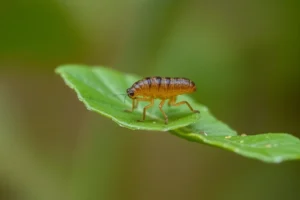
The journey of the Blue Morpho butterfly begins as a tiny, minuscule egg laid on the underside of leaves. Upon hatching, the caterpillar, known as a larva, displays a rather unassuming green color, adorned with striking blue spots. This cryptic appearance serves as camouflage against potential threats. After several molting stages, the larva undergoes metamorphosis, transforming into a pupa or chrysalis, where the true magic occurs. Following a period of physiological transformation, it emerges as the magnificent butterfly, embodying a true testament to nature’s artistry.
5. Foraging and Diet
With their nutritional needs primarily met by specific foliage, Blue Morphos are voracious eaters; they largely feed on the leaves of various plants, including the host plants of their larval stage. As adults, they are more attracted to fruits, particularly rotting bananas and other decaying organic matter, which provide vital sugars needed for energy. This feeding style highlights their role in the ecosystem as both herbivores and pollinators.
6. Social Behaviors
The Blue Morpho is not a solitary creature. It has distinctive social dynamics, often seen in groups, especially during mating season. Males engage in territorial displays, showcasing their vivid wings to establish dominance and attract females. This aerial ballet, filled with energy and color, creates an enchanting spectacle, demonstrating their innate drive for reproduction while also reinforcing bonds within their community.
7. Predator Evasion and Defense Mechanisms
Despite their splendid appearance, Blue Morphos are not without vulnerabilities. To evade predators, such as birds and other wildlife, they employ a suite of defensive strategies. Their brilliant color can startle predators, while their flight patterns often appear erratic, complicating any predatory attempts. Moreover, when threatened, they can fold their wings to reveal the brown underside, camouflaging them against tree bark and leaves.
8. Cultural Significance
The mesmerizing allure of the Blue Morpho extends beyond its natural habitat into various cultural realms. Indigenous tribes in South America have long revered this butterfly as a symbol of transformation and rebirth, illustrating the profound connection between nature and spirituality. Their brilliant colors and ethereal presence have also captured the imagination of artists, writers, and scientists alike, inspiring countless works across various mediums.
9. Conservation Status
The plight of the Blue Morpho butterfly reflects broader environmental concerns. While not currently endangered, their populations are threatened by habitat destruction, pollution, and climate change. As rainforests diminish due to deforestation and urban development, these butterflies’ chances of survival wane. Conservation efforts are underway to protect their habitats and promote ecological awareness, showcasing the need for human intervention to safeguard biodiversity.
10. Fascination and Future Research
The enchanting Blue Morpho continues to inspire scientific inquiries into the complexities of its biology and ecology. Ongoing research endeavors focus on understanding the mechanisms behind their coloration and how these can be applied in biomimicry for innovative materials. As scientists delve deeper into their fascinating world, the Blue Morpho serves as a reminder of the intricate relationships within ecosystems and the wondrous beauty they harbor.
In conclusion, the Blue Morpho butterfly is a mesmerizing emblem of nature’s brilliance. From its stunning coloration to its intriguing life cycle and social behaviors, this species beckons those who enjoy exploring the wonders of the natural world. As we uncover more about these magnificent creatures, we are reminded of the delicate balance within ecosystems and the importance of preserving the iridescent beauty found in nature’s realms.
FAQ
What is the Blue Morpho butterfly known for?
The Blue Morpho butterfly is known for its stunning iridescent blue wings and large size, making it one of the most remarkable butterflies in the world.
Where can the Blue Morpho butterfly be found?
The Blue Morpho butterfly is primarily found in the tropical rainforests of Central and South America, particularly in the Amazon Basin.
What do Blue Morpho butterflies eat?
Blue Morpho butterflies primarily feed on the leaves of various plants in their larval stage and are attracted to rotting fruits as adults.
What is the conservation status of the Blue Morpho butterfly?
While not currently endangered, Blue Morpho butterflies face threats from habitat destruction and climate change.




Leave a Reply