
Short Answer
Have you ever watched a small creature soar gracefully from branch to branch, with large eyes glimmering in the dappled sunlight? Sugar gliders, those captivating marsupials, possess a whimsical charm that makes them one of the most endearing pets and fascinating critters in the animal kingdom. If you’re curious about what makes these nocturnal wonders so special, you’re in for a treat. Here, we explore a multitude of interesting facts about sugar gliders, ranging from their biology and behavior to their history and care. But be warned—once you delve into this world of enchantment, you may find yourself longing to welcome one of these delightful creatures into your life!
1. The Magical Ability of Gliding
One of the most astounding features of sugar gliders is their gliding capability. They possess a unique fold of skin, known as the patagium, that extends from their wrists to their ankles. This anatomical wonder allows them to soar like feathered aviators, gliding through the air for impressive distances—up to 150 feet! Imagine being able to take off at a moment’s notice and float gracefully from tree to tree.
2. Social Creatures at Heart
Contrary to what some might believe, sugar gliders are not solitary beings. In the wild, they thrive in large familial groups, often referred to as colonies. These bonds are essential for their social nature and emotional well-being. If you’re considering bringing a sugar glider into your home, it’s highly recommended to adopt a pair, as they are unlikely to thrive in isolation.
3. A Sweet Tooth for Fruits and Nectar
Famed for their name, sugar gliders have a diet that predominantly consists of fruits and nectar. Their keen sense of smell helps them locate ripe fruits, while their impressive agility aids in navigating their environment to find delectable treats. This diet, rich in natural sugars, is integral to their energy levels and overall health. However, it’s crucial to balance their diet with proper nutrients to avoid obesity and health issues!
4. Nocturnal Lives
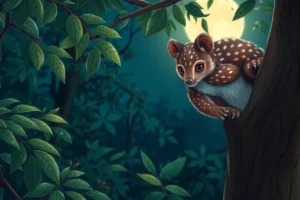
Acting as the night’s ambassadors, sugar gliders are primarily nocturnal animals. They are most active during the nighttime hours, exhibiting playful and acrobatic behaviors as they explore their surroundings. This characteristic makes them unique pets, as their owners may have to adjust their schedules to match these lively creatures. Are you ready to embrace a night owl as part of your daily routine?
5. Unique Communication Skills
In their close-knit colonies, sugar gliders use a fascinating array of vocalizations and body language to communicate. From chirps and barks to whistles, each sound serves a purpose—alerting each other of danger or signaling when it’s time to gather. Whether it’s a soft trill or a lonesome call, these sounds not only express their needs but also their emotions. Have you ever thought about how meaningful communication is in our relationships, and how often we overlook unique forms of expression?
6. Lifespan in the Wild and Captivity
In the wild, sugar gliders have a lifespan of about 10 years, but this duration can extend up to 15 years in captivity when given proper care, a balanced diet, and a nurturing environment. This longevity poses a challenge for prospective owners; ensuring you’re ready for a long-term commitment is essential. Are you prepared to share your life with a pet that may become a beloved member of your family for many years?
7. The Ludicrous Need for Exercise
Sugar gliders are lively creatures, bursting with boundless energy. They require ample exercise to stay healthy and happy, which means an enriched environment filled with climbing structures, toys, and ample space to explore is crucial. Providing a safe but stimulating area allows their playful nature to flourish. How can you transform your living space to cater to the whims of an agile little acrobat?
8. A Heartfelt Bond with Their Owners
These delightful marsupials are capable of forming strong bonds with their owners, often displaying affection and attachment. With time, they can become quite sociable, enjoying cuddle sessions and interaction with humans. Their endearing personalities can lead to a rewarding companionship, yet it requires patience and commitment to earn their trust. Are you ready to invest time in understanding your sugar glider’s needs?
9. Quirky Sleeping Habits
During the daylight hours, sugar gliders seek refuge in tree hollows or their cozy nesting boxes, curling up into a tight ball to conserve warmth and energy. They often sleep with their tails wrapped around them or tucked snugly against their bodies. This instinctive behavior is another testament to their need for security and comfort. Have you created a safe haven for your little companion’s beauty sleep?
10. Legalities of Ownership
Before embarking on the journey of sugar glider ownership, it’s essential to investigate the legality of keeping these enchanting pets in your area. Regulations can vary significantly depending on your location, and some places may require permits or have restrictions in place. Are you ready to navigate the legal landscape to ensure your new friend is welcomed into your home legally and ethically?
In conclusion, sugar gliders are undoubtedly one of nature’s most fascinating creatures. Their playful demeanor, astounding abilities, and need for companionship make them extraordinary pets. As you ponder the possibility of welcoming one of these delightful marsupials into your home, consider the challenges and rewards of sugar glider ownership. Are you ready to embark on this unique adventure and experience the wonders of sharing your life with a sugar glider? The journey promises to be as thrilling as it is rewarding!
FAQ
What is the lifespan of sugar gliders?
In the wild, sugar gliders live about 10 years, while in captivity, they can live up to 15 years with proper care.
Are sugar gliders social animals?
Yes, sugar gliders are social creatures and thrive in groups, so it’s best to adopt them in pairs.
What do sugar gliders eat?
Sugar gliders primarily eat fruits and nectar, but their diet should be balanced with proper nutrients.
Are sugar gliders nocturnal?
Yes, sugar gliders are nocturnal and are most active during the night.
Do I need a permit to own a sugar glider?
Regulations regarding sugar glider ownership vary by location, so it’s important to check local laws.



Leave a Reply