
Short Answer
21 Facts About Urban Fox Adaptations
- Increased Nocturnality
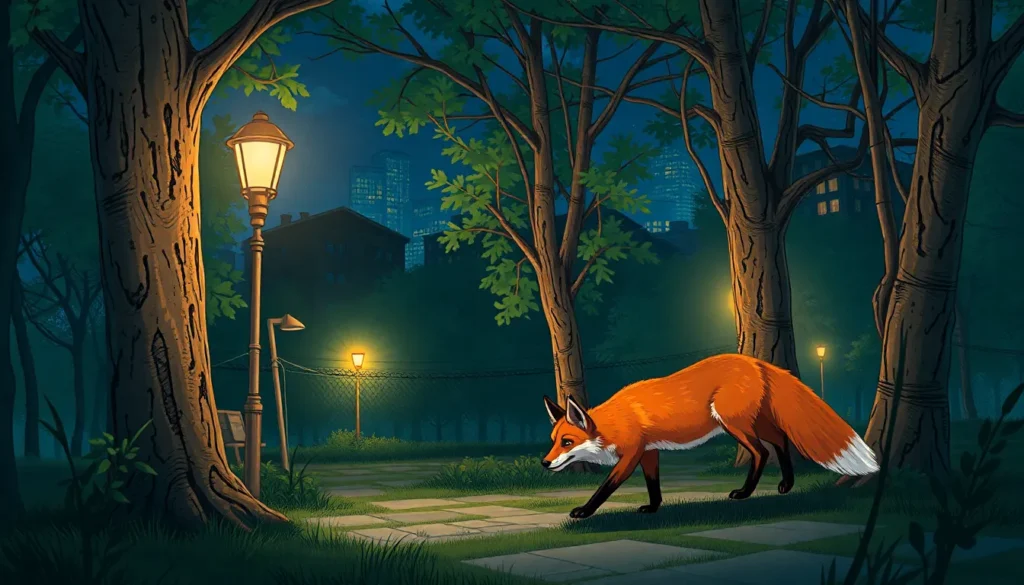
Urban foxes tend to be more active at night to avoid human interaction and traffic, adapting their natural behavior to city life. - Dietary Flexibility
They have a diverse diet including human food waste, small mammals, insects, and fruit, allowing survival in varied urban environments. - Den Site Selection
Urban foxes often select dens in hidden spots such as under sheds, gardens, or abandoned buildings to protect themselves from disturbance. - Reduced Fear of Humans
Many urban foxes exhibit reduced fear of humans compared to rural counterparts, enabling closer proximity to people and urban resources. - Smaller Territory Size
Due to abundant food sources, urban foxes maintain smaller territories than those in rural areas, reducing the need for extensive roaming. - Social Adaptations
Urban foxes can live in loosely structured social groups or family units, which may differ from rural populations. - Increased Body Condition
Urban foxes often show better body condition, likely due to steady food availability from anthropogenic sources. - Use of Human Structures
They exploit human-made environments for shelter and food, including rubbish bins and garden composts. - Vocal Communication
Urban foxes use a variety of vocalizations to communicate within noisy city environments. - Adapted Reproductive Timing
Some studies suggest urban foxes may adjust their breeding seasons to local conditions and resource availability. - Tolerance to Pollution
Urban foxes cope with pollution and contaminants better than many wildlife species, though long-term effects remain under study. - Learning and Problem Solving
They display heightened intelligence in navigating complex urban landscapes and accessing food sources. - Altered Activity Patterns
Foxes in cities may shift their activity to avoid peak human activity times, such as early morning or late evening. - Use of Green Spaces
Urban foxes frequently utilize parks, gardens, and other green areas as habitat and hunting grounds. - Communal Latrines
Like rural foxes, urban foxes often mark territories with communal latrines, which also serve as social hubs. - Resistance to Disease
Exposure to urban environments may influence disease dynamics, with some urban fox populations showing resistance to common pathogens. - Impact of Traffic
Urban foxes have adapted crossing behaviors to avoid road traffic, although vehicle collisions remain a significant mortality factor. - Seasonal Coat Changes
They retain natural seasonal coat changes, which help with camouflage and temperature regulation even in urban settings. - Interaction with Domestic Animals
Urban foxes often share environments with pets, resulting in occasional competition or disease transmission risks. - Human-Wildlife Conflict Adaptations
Foxes have developed strategies to coexist with humans, such as avoiding heavily trafficked areas and scavenging discreetly. - Urban Fox Population Growth
Successful adaptation has led to stable or increasing urban fox populations in many cities worldwide.
Habitat and Behavior
Urban foxes inhabit cities and towns where they exploit a mosaic of habitats including residential gardens, parks, industrial areas, and derelict spaces. They exhibit remarkable behavioral flexibility, adjusting their activity patterns primarily to nocturnal hours to reduce encounters with humans and traffic. Their omnivorous diet incorporates both natural prey and anthropogenic food sources, enabling them to thrive where food is abundant. Urban foxes establish dens in concealed locations such as under sheds, in dense vegetation, or within abandoned structures, providing safety for raising young. Socially, they may live solitarily or in small family groups depending on resource availability. Their ability to navigate complex urban landscapes, avoid hazards, and exploit human-generated resources has allowed them to become a common yet often overlooked part of urban ecosystems.
Why This Animal Matters
Urban foxes play an important ecological role by controlling populations of rodents and insects, contributing to urban biodiversity. Their presence highlights the adaptability of wildlife to human-altered environments and serves as an indicator of ecosystem health. Culturally, urban foxes have captured public imagination, featuring in folklore, media, and wildlife conservation discussions. Conservation-wise, understanding urban fox adaptations aids in managing human-wildlife interactions and mitigating conflicts. They demonstrate the potential for coexistence between wildlife and urban development, emphasizing the need for thoughtful urban planning that considers biodiversity.
Common Misconceptions
Misconception: Urban foxes are aggressive and dangerous to humans.
Correction: Urban foxes are generally shy and avoid human contact. Attacks on humans are extremely rare, and most interactions involve foxes scavenging or passing through urban areas quietly.
Misconception: Urban foxes are pests that spread disease indiscriminately.
Correction: While foxes can carry diseases, the risk of transmission to humans is low. Good hygiene and responsible waste management minimize potential disease spread.
Misconception: Urban foxes are a recent phenomenon caused solely by human encroachment.
Correction: Foxes have long adapted to human environments, but increased urbanization and food availability have facilitated noticeable population growth in cities.
Misconception: Feeding urban foxes is beneficial to their survival.
Correction: Feeding foxes can lead to dependency on human food, increase conflict potential, and cause health issues. It is generally discouraged to support natural foraging behavior.
FAQ
Are urban foxes dangerous to humans?
Urban foxes are generally not dangerous to humans. They tend to avoid direct contact and pose little threat, although they may scavenge food from gardens or bins.
What do urban foxes eat?
Urban foxes have a varied diet including small mammals, birds, insects, fruits, and human-derived food such as waste and pet food left outdoors.
How do urban foxes adapt to living near humans?
They adapt by becoming more nocturnal, using human structures for shelter, reducing fear of humans, and exploiting food resources available in urban environments.






Leave a Reply