
Short Answer
21 Facts About Stag Beetles
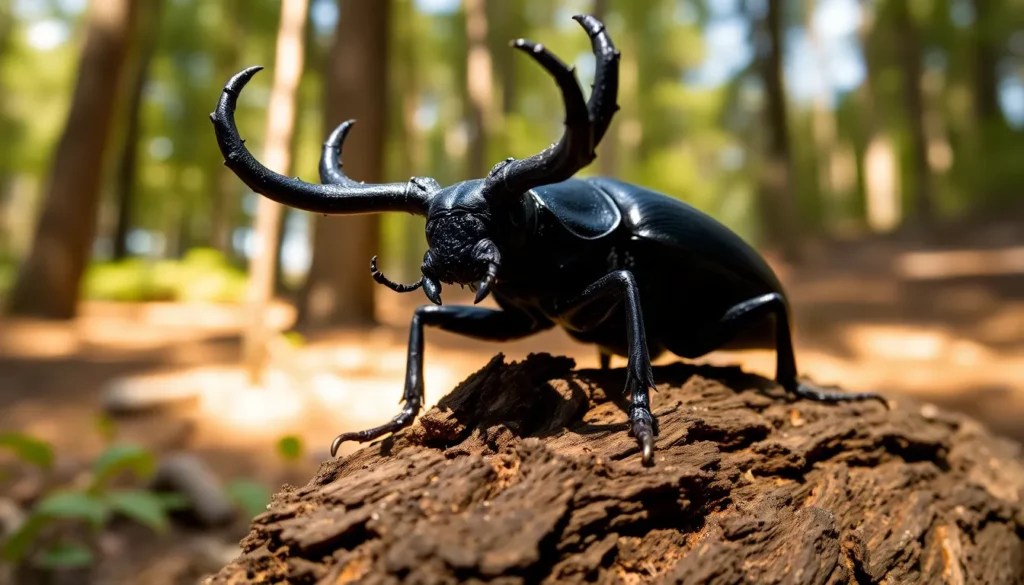
- Distinctive Mandibles: Male stag beetles have large, antler-like mandibles used for fighting rivals during mating competitions.
- Varied Size: Stag beetle species vary in size, with some males reaching lengths of over 12 centimeters, making them some of the largest beetles in Europe.
- Sexual Dimorphism: Males typically have much larger mandibles compared to females, who have smaller, functional jaws.
- Lifespan: The larval stage can last several years, while adults typically live only a few months during the summer breeding season.
- Diet: Adult stag beetles primarily feed on tree sap and decaying fruit, whereas larvae consume rotting wood.
- Larval Development: Larvae develop inside decaying wood, which provides essential nutrients and habitat for growth.
- Flight Ability: Despite their heavy appearance, stag beetles can fly and are often seen in flight during warm evenings.
- Global Distribution: Stag beetles are found throughout Europe, Asia, and parts of North America, with species adapted to various habitats.
- Conservation Status: Some stag beetle species are considered threatened due to habitat loss and declining numbers of old trees.
- Ecological Role: They contribute to forest ecosystem health by helping decompose dead wood and recycle nutrients.
- Historical Significance: Stag beetles have been subjects in folklore and art, symbolizing strength and protection in some cultures.
- Species Diversity: There are over 1,200 known species of stag beetles worldwide, each with unique adaptations.
- Combat Behavior: Male stag beetles use their mandibles to wrestle opponents, often flipping rivals off branches to win mates.
- Temperature Sensitivity: Stag beetles are more active during warm weather and are less active or hidden during cold seasons.
- Light Attraction: Adult stag beetles are sometimes attracted to artificial lights at night.
- Predators: Birds, mammals, and other insects prey on stag beetles, especially during their vulnerable larval stage.
- Reproduction: Females lay eggs in rotting wood, providing a safe environment for larvae to develop.
- Mandible Function: Despite their impressive size, male mandibles are not used for feeding but mainly for fighting and display.
- Flight Timing: Many stag beetle species are crepuscular or nocturnal flyers, active during twilight or nighttime.
- Habitat Requirements: They rely heavily on old or decaying trees, making ancient woodlands critical for their survival.
- Research Interest: Stag beetles are often studied in entomology for their unique morphology and ecological roles.
Habitat and Behavior
Stag beetles predominantly inhabit woodlands, parks, and gardens where old trees and decaying wood are abundant. The larvae develop inside rotting logs, feeding on decomposing wood for several years before pupating. Adults emerge during the warmer months, mainly late spring and summer, to mate and reproduce. Males engage in combat using their enlarged mandibles to secure mates, while females tend to be less conspicuous. Although their flight capability enables dispersal, stag beetles are generally not strong fliers and prefer low, sheltered areas. They are mostly active during dusk or night, often attracted to lights. Conservation of their habitat, particularly dead wood and old trees, is essential to support their life cycle.
Why This Animal Matters
Stag beetles play an important ecological role as decomposers, breaking down dead wood and contributing to nutrient recycling within forest ecosystems. Their presence indicates a healthy environment with sufficient deadwood resources. Culturally, stag beetles have fascinated humans for centuries, appearing in folklore and symbolism related to strength and protection. From a conservation perspective, some stag beetle species are indicators of declining woodland health, prompting efforts to preserve their habitats. Protecting stag beetles also supports broader biodiversity conservation, as their habitat requirements overlap with many other species dependent on mature woodlands.
Common Misconceptions
Misconception: Stag beetles use their large mandibles to bite humans.
Correction: Despite their intimidating appearance, stag beetles are generally harmless to humans. The mandibles of males are used primarily for fighting other beetles, not for biting people.
Misconception: All stag beetles are aggressive and dangerous.
Correction: While males exhibit aggressive behavior towards rivals during mating contests, stag beetles are not dangerous to humans and tend to avoid confrontation.
Misconception: Stag beetles damage living trees.
Correction: Stag beetle larvae feed only on decaying wood, not living trees, and thus do not harm healthy trees.
FAQ
Are stag beetles harmful to humans?
No, stag beetles are not harmful to humans. Their large mandibles may look intimidating but are used only for fighting other males and not for biting people.
Why do male stag beetles have large mandibles?
Male stag beetles use their large mandibles to wrestle other males in competition for mates. The mandibles help them to grip and flip rivals during these contests.
How long do stag beetles live?
Stag beetle larvae can live for several years inside decaying wood before pupating. Adult stag beetles typically live only a few months, mainly during the summer breeding season.





Leave a Reply