
Short Answer
21 Facts About Snow Leopards
- Scientific Classification: Snow leopards belong to the genus Panthera and the species uncia.
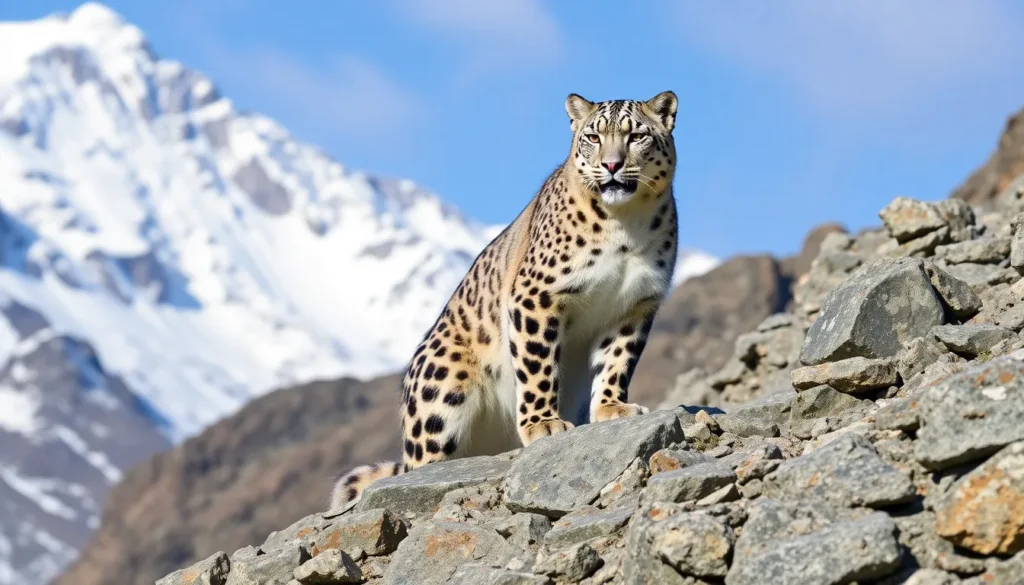
- Physical Appearance: They possess thick, smoky-gray fur with black rosettes and spots, providing camouflage in rocky terrain.
- Size: Adults typically weigh between 27 and 55 kilograms (60 to 121 pounds), making them smaller than other big cats like lions and tigers.
- Tail Length: Their long, thick tails, which can be nearly as long as their bodies, help with balance and insulation.
- Habitat Range: Snow leopards are found across 12 countries in Central and South Asia, including the Himalayas, Altai Mountains, and the Tibetan Plateau.
- Altitude Preference: They inhabit high-altitude environments, usually between 3,000 and 5,500 meters (9,800 to 18,000 feet).
- Diet: Carnivorous predators, their diet mainly consists of blue sheep, ibex, marmots, and other mountain animals.
- Hunting Strategy: Snow leopards are solitary hunters that rely on stealth and ambush tactics to capture prey.
- Adaptations to Cold: Their thick fur, dense undercoat, and wide, fur-covered paws act like natural snowshoes in their cold environments.
- Reproduction: Females typically give birth to 2–3 cubs after a gestation period of about 90–100 days.
- Longevity: In the wild, snow leopards live about 10 to 12 years, while in captivity they can live up to 21 years.
- Behavior: Primarily solitary except during mating season or when females are raising cubs.
- Vocalizations: Unlike other big cats, snow leopards cannot roar but communicate through growls, hisses, and chuffing sounds.
- Conservation Status: Classified as Vulnerable by the IUCN due to habitat loss, poaching, and decline in prey.
- Threats: Illegal wildlife trade for their fur and bones, retaliatory killings by herders, and habitat fragmentation.
- Scientific Research: Snow leopards are challenging to study due to their remote habitats and elusive nature.
- Cultural Significance: Revered in local folklore and considered a symbol of wilderness and mystery in Central Asian cultures.
- Role in Ecosystem: As apex predators, they help regulate populations of herbivorous animals, maintaining ecological balance.
- Tracking Methods: Conservationists use camera traps, genetic analysis, and GPS collars to monitor snow leopard populations.
- Population Estimates: Current estimates suggest there are between 4,000 and 6,500 snow leopards remaining in the wild.
- Conservation Efforts: International cooperation and local community involvement are key to protecting snow leopards and their habitats.
Habitat and Behavior
Snow leopards inhabit rugged mountainous regions, often characterized by rocky outcrops, steep cliffs, and sparse vegetation. These regions span across countries including China, Mongolia, Nepal, India, Bhutan, and Russia. Their preference for high altitudes helps them avoid competition with other large predators. Snow leopards are primarily crepuscular, active during dawn and dusk. They are solitary animals except during mating or when females rear cubs. Their excellent climbing ability and strong hind limbs allow them to navigate steep terrain and make powerful leaps to ambush prey.
Why This Animal Matters
Snow leopards play a crucial ecological role as apex predators in mountainous ecosystems. By controlling herbivore populations such as wild sheep and goats, they help maintain vegetation balance and biodiversity. Their presence indicates a healthy environment. Culturally, snow leopards hold spiritual and symbolic value for many indigenous peoples of Central Asia. Conservation of snow leopards also promotes protection of large tracts of mountain habitat, benefiting numerous other species. Due to their Vulnerable status, snow leopards have become flagship species for international wildlife conservation efforts.
Common Misconceptions
Misconception: Snow leopards can roar like lions or tigers.
Correction: Snow leopards cannot roar; they communicate through growls, hisses, and other vocalizations but lack the vocal anatomy to produce a true roar.
Misconception: Snow leopards primarily live in snowy, icy environments.
Correction: Despite their name, snow leopards are mostly found in rocky, arid mountain regions rather than snow-covered landscapes year-round.
Misconception: Snow leopards are closely related to common leopards.
Correction: While they share the genus Panthera, snow leopards are a distinct species with unique adaptations and evolutionary history.
FAQ
Where do snow leopards live?
Snow leopards inhabit high-altitude mountain ranges across Central and South Asia, including the Himalayas, Tibetan Plateau, and Altai Mountains, typically between 3,000 and 5,500 meters above sea level.
Why are snow leopards endangered?
Snow leopards face threats from habitat loss, poaching for their fur and bones, retaliatory killings by herders, and decline in prey populations, leading to their classification as Vulnerable on the IUCN Red List.
Can snow leopards roar like other big cats?
No, snow leopards cannot roar. Unlike lions and tigers, their vocal anatomy does not support roaring; instead, they communicate through growls, hisses, and chuffing sounds.




Leave a Reply