
Short Answer
21 Facts About Silverfish
- Ancient lineage: Silverfish belong to the order Zygentoma and are considered one of the most primitive insect groups, with fossils dating back over 400 million years.
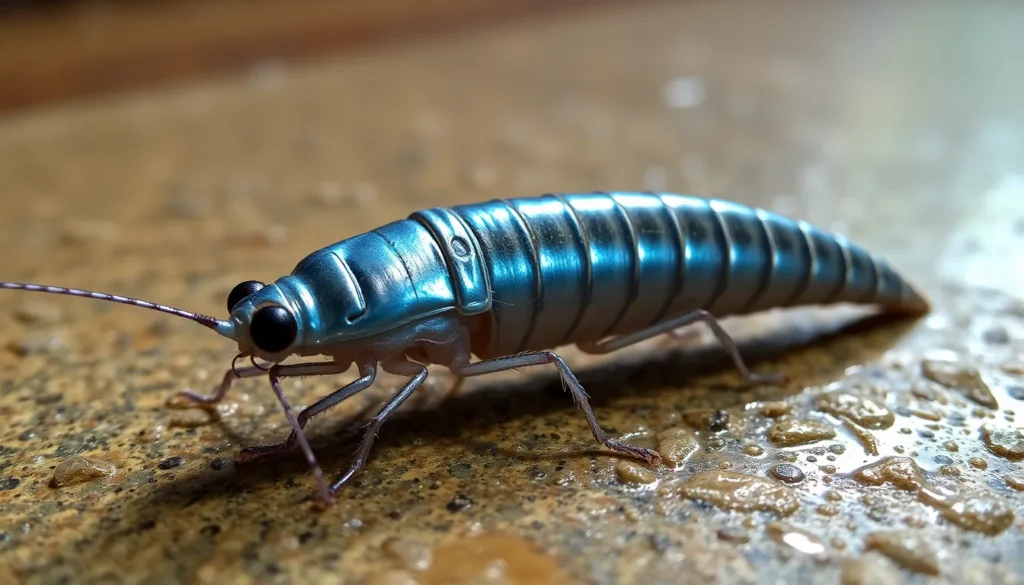
- Appearance: They have a distinctive silvery-blue, metallic sheen and a flattened, elongated body shape resembling a fish, which inspired their common name.
- Size: Adult silverfish typically measure between 12 to 19 millimeters in length.
- Movement: Their name also comes from their fishlike, wiggling movement as they scurry quickly across surfaces.
- Wings: Silverfish are wingless insects, lacking both wings and the ability to fly.
- Diet: They are detritivores feeding mainly on carbohydrates such as sugars and starches found in paper, glue, textiles, and some food debris.
- Metabolism: They can survive for months without food, adapting to scarce nutritional environments.
- Moisture dependence: Silverfish require humid environments to survive and avoid desiccation.
- Habitat preferences: They are commonly found in dark, damp areas such as basements, bathrooms, kitchens, and leaf litter outdoors.
- Nocturnal activity: Silverfish are primarily nocturnal, avoiding light and becoming active at night.
- Reproduction: Females lay eggs in clusters, and young silverfish resemble miniature adults without undergoing metamorphosis.
- Longevity: They can live up to 3 to 8 years, which is relatively long for insects.
- Molting process: Silverfish continue to molt throughout their lives, unlike many insects that stop after reaching adulthood.
- Communication: They use chemical signals such as pheromones to find mates and communicate.
- Predators: Natural predators include spiders, centipedes, and some beetles.
- Human interaction: While they do not bite or transmit diseases, silverfish can damage household items by feeding on paper, fabrics, and glue.
- Global distribution: Silverfish are cosmopolitan, found worldwide in temperate and tropical regions.
- Scientific name: The common silverfish is scientifically known as Lepisma saccharinum.
- Evolutionary adaptations: Their flattened bodies allow them to hide in narrow crevices, helping them avoid predators.
- Ecological role: In nature, they help decompose organic matter, contributing to nutrient cycling in ecosystems.
- Resistance to pesticides: Silverfish can be difficult to control due to their ability to hide and their slow metabolism, which reduces pesticide impact.
Habitat and Behavior
Silverfish thrive in moist, humid environments, often inhabiting human homes in areas like bathrooms, kitchens, basements, and attics where moisture is sufficient. Outdoors, they are found under rocks, leaf litter, and bark. Being nocturnal, they avoid light, emerging at night to forage for food. Their diet primarily consists of carbohydrates such as starches and sugars found in household materials (e.g., paper, glue, textiles) and organic detritus. Silverfish are solitary but may be found in groups where conditions are favorable. They reproduce by laying eggs that hatch into nymphs resembling adults, with no metamorphosis involved. Their continued molting throughout life aids in growth and regeneration.
Why This Animal Matters
Ecologically, silverfish play a role in decomposing organic matter and recycling nutrients in natural habitats. Their ability to digest cellulose and starch helps break down plant and animal detritus, aiding soil health. In human contexts, while often considered pests due to their feeding on household materials, silverfish do not pose direct health risks, as they neither bite nor transmit diseases. Scientifically, their ancient lineage provides insights into insect evolution and adaptation, making them subjects of entomological study. Understanding silverfish behavior and biology also assists in developing pest management strategies that minimize environmental impacts.
Common Misconceptions
Misconception: Silverfish are harmful to humans because they bite and transmit diseases.
Correction: Silverfish do not bite humans nor are they known to carry or transmit diseases. They are more of a nuisance due to their feeding habits.

Misconception: Silverfish can fly and jump like some other household pests.
Correction: Silverfish lack wings and cannot fly or jump; they move by running and wriggling quickly.
Misconception: Silverfish infestations indicate poor hygiene.
Correction: Silverfish are attracted to moisture and food sources like paper and starches, regardless of cleanliness, so their presence is more related to environmental conditions than hygiene.
Misconception: Silverfish die quickly without food.
Correction: Silverfish can survive for several months without food due to their slow metabolism.
FAQ
Do silverfish bite humans?
No, silverfish do not bite humans. They are harmless to people and do not transmit diseases.
How can I prevent silverfish infestations?
Reducing humidity, sealing cracks, removing food sources like paper and starch, and maintaining cleanliness can help prevent silverfish infestations.
Are silverfish beneficial to the environment?
Yes, silverfish contribute to decomposition by feeding on organic matter, helping recycle nutrients in ecosystems.


Leave a Reply